

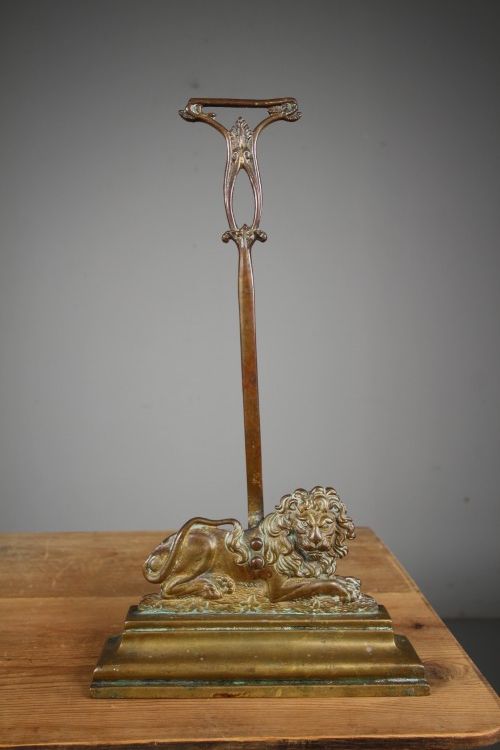
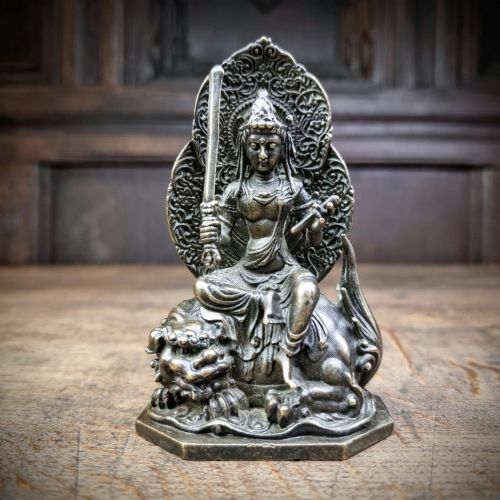


Bronze Lion Figure
A bronze lion figure brings the weight and presence of classical sculpture or temple guardian art directly into a room.
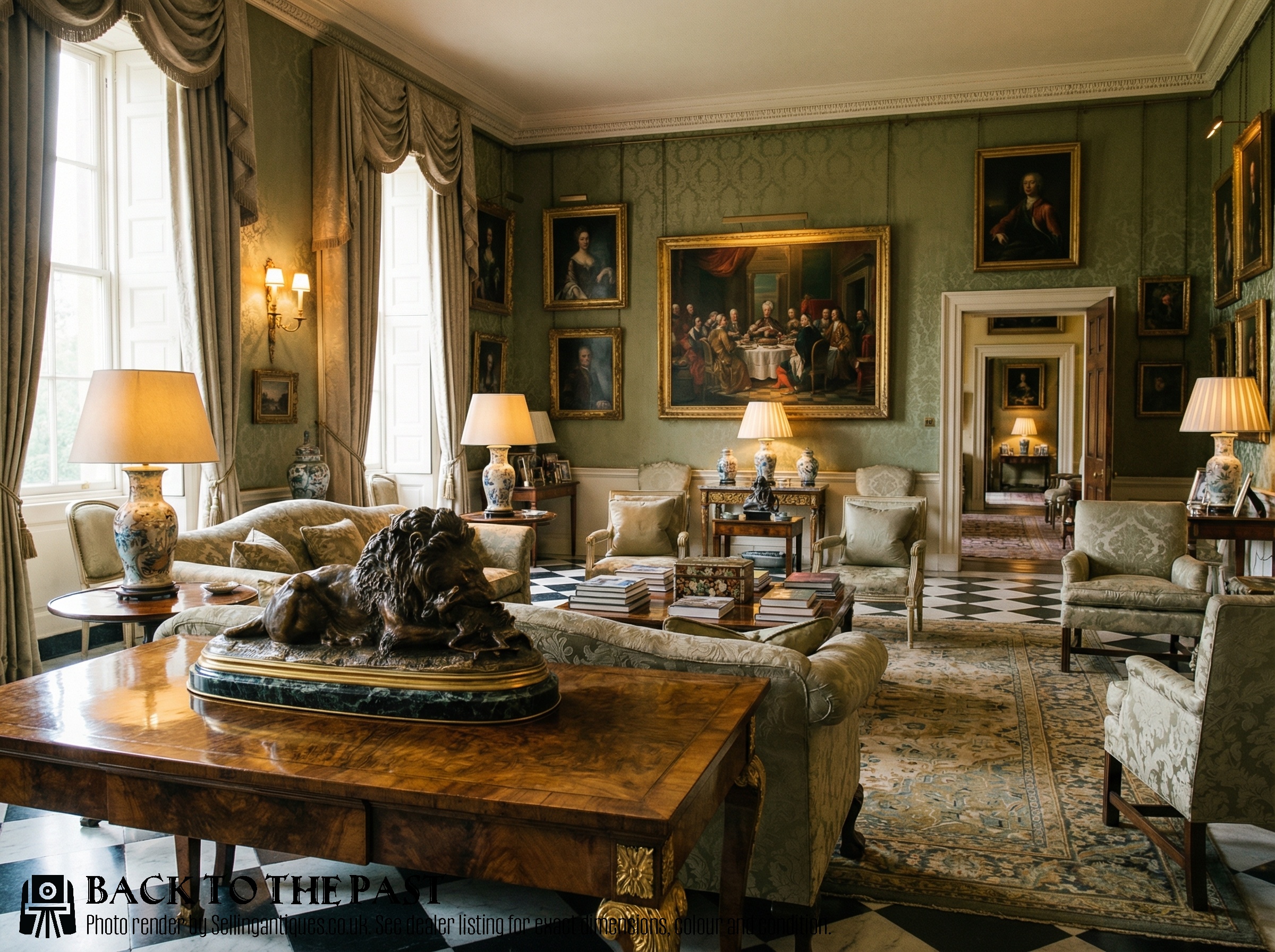
Bronze Lion Figure
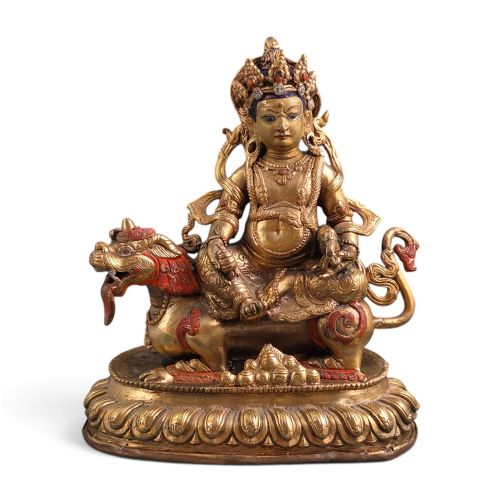
When you search for a bronze lion figure, you encounter a diverse array of forms spanning domestic decorative objects and significant sculptural works. The selection ranges from nineteenth-century European desk ornaments and doorstops to substantial temple figures originating from Asian and Tibetan traditions. European examples often reflect the Grand Tour tradition or the French Animalier school, capturing realistic animal anatomy or classical motifs.
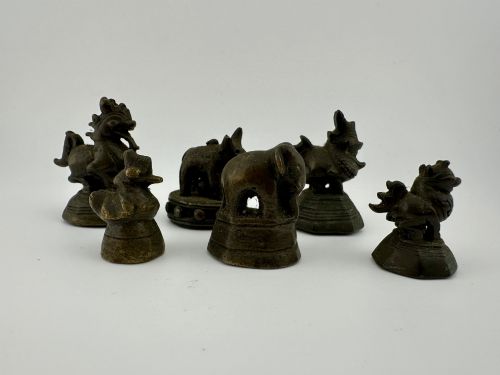
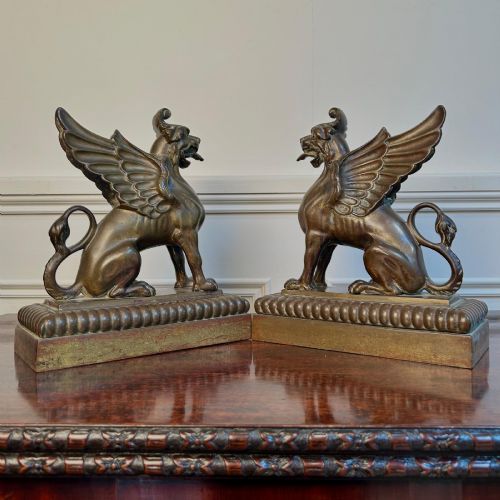
You are equally likely to find Asian temple lions, opium weights, and mythological interpretations such as winged lions or griffins. These pieces appear in various materials beyond solid cast metal, including patinated bronze, gilt surfaces, and cold-painted finishes. Each object serves a distinct historical function, whether acting as a functional door porter or standing as an ornamental sculpture.
Quality Variations
The distinction between standard commercial output and superior quality rests in the crispness of the chase work and the fidelity of the cast. Finer sculptures display precise anatomical articulation in the lion's fur, paws, and facial expression without relying entirely on post-cast surface filing. The quality of the patina or cold-painted polychromy also determines the visual depth of the piece.
Maker attribution and foundry marks further separate exceptional works from anonymous domestic items. Pieces originating from known European sculptors or established foundries exhibit superior weight distribution and structural integrity. The integration of complementary materials, such as custom marble plinths or gilt highlights, indicates higher workshop standards.
Materials documented across the pieces include bronze, gilt bronze, brass, marble, iron, and patinated metal.
Franz Bergman·Paul-Édouard Delabrièrre·Unno Shomin·Louis Riche·Al Barye·Barbedienne
The Bronze Lion Figure Glossary
- Animalier
- A nineteenth-century artistic movement focused on the realistic depiction of animals, particularly predators in motion or repose. Sculptors in this tradition studied anatomy closely.
- Grand Tour
- A traditional trip through Europe undertaken by upper-class young men in the eighteenth and nineteenth centuries. Travellers acquired small bronzes and architectural models as souvenirs.
- Opium Weight
- Small cast metal weights used in Southeast Asia, frequently modelled in the form of animals or mythical beasts. These trade weights often date from the nineteenth century.
- Cold-Painted Bronze
- Bronze sculptures painted with polychrome oil or enamel paints without subsequent firing. This technique was popular with Viennese makers in the late nineteenth and early twentieth centuries.
- Door Porter
- A heavy domestic accessory designed to keep interior doors open, frequently cast in the form of a lion or heraldic beast. These functional objects combined utility with decorative presence.
Bronze Lion Figure: Frequently Asked Questions
What is a bronze lion figure used for?
These figures serve multiple purposes depending on their original cultural and domestic context. European examples function primarily as desk ornaments, cabinet sculptures, or heavy doorstops designed to hold interior doors open.
Asian temple lions and Buddhist icons fulfil ritual or protective roles within a space. Collectors today display them as decorative art objects or sculptural focal points in a room.
How do I identify a Grand Tour lion?
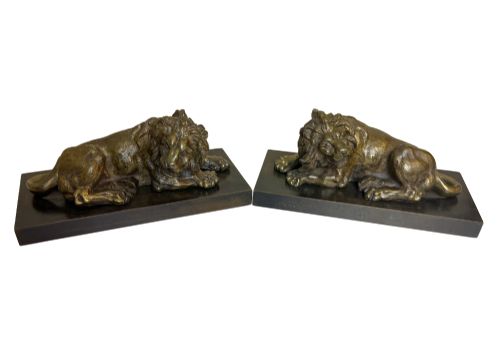
Grand Tour pieces typically replicate famous classical monuments or sculptures seen by travellers in Italy during the nineteenth century. Look for subjects derived from ancient Roman sculptures, such as the Canova lions or the Capitoline lion.
These items often feature dark patination and may incorporate marble or slate plinths. Their craftsmanship reflects the nineteenth-century taste for classical antiquity.
What is an Animalier bronze?
An Animalier bronze is a nineteenth-century sculpture that focuses specifically on realistic animal subjects. Artists belonging to this movement prioritized accurate musculature, texture, and natural behaviour over human narratives.
Such pieces range from small domestic table bronzes to large, muscular studies of lions and lionesses. Signed works from this tradition often attribute the model to specific French or European sculptors.
How should I care for a cold-painted bronze?
Cold-painted bronzes require gentle handling to preserve the delicate pigment applied to the metal surface. Keep them away from direct sunlight and high humidity to prevent the paint from fading or flaking.
Dust the surface lightly with a dry, soft brush. Avoid using liquid cleaners, polishes, or abrasive cloths that can remove the original paint.