



Bronze Lantern Lamp
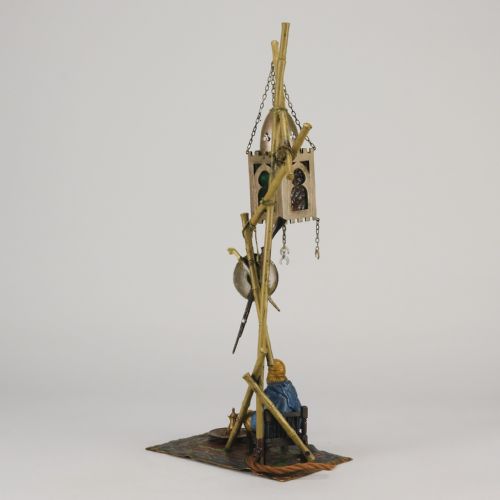
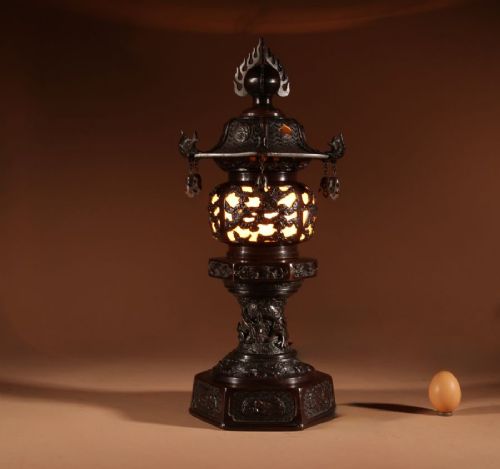
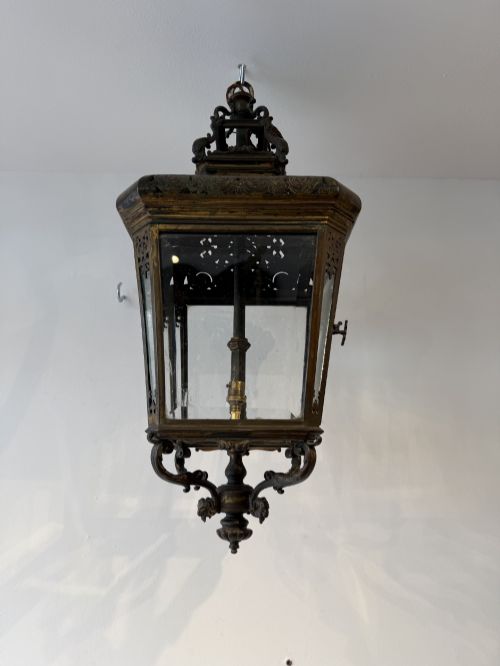
These bronze lantern lamp pieces bring together cast metal and glass to illuminate hallways and rooms with period character.
Bronze Lantern Lamp
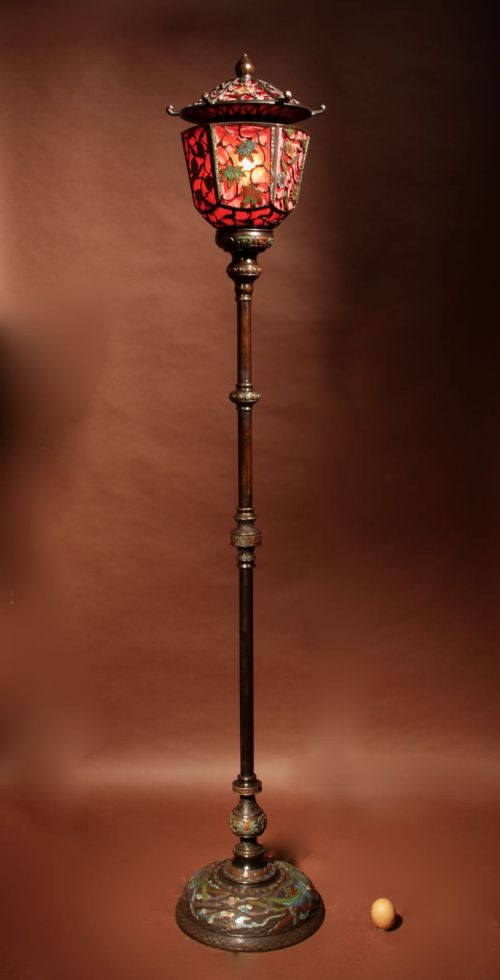
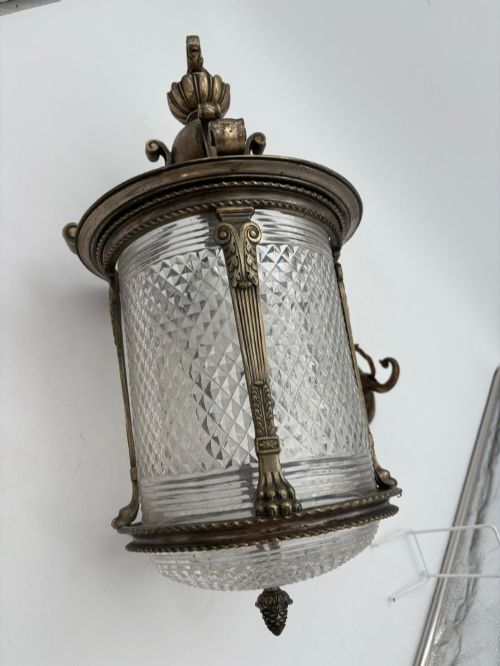
A bronze lantern lamp combines metal frameworks with glass panels to create enclosed lighting fixtures designed for hanging, wall mounting, or standing on tables.
The selections here span the Victorian and Edwardian eras alongside early twentieth century pieces, covering styles from French neoclassical to Japanese Meiji period work.
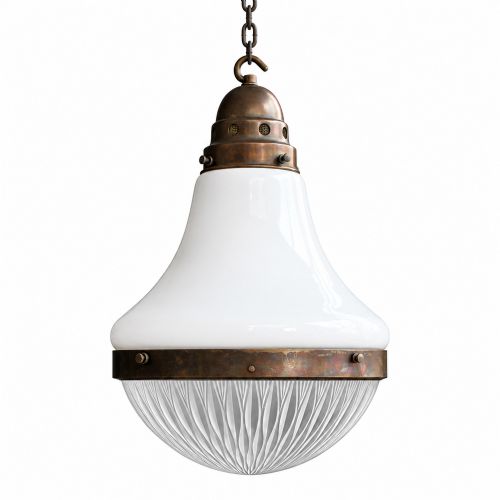
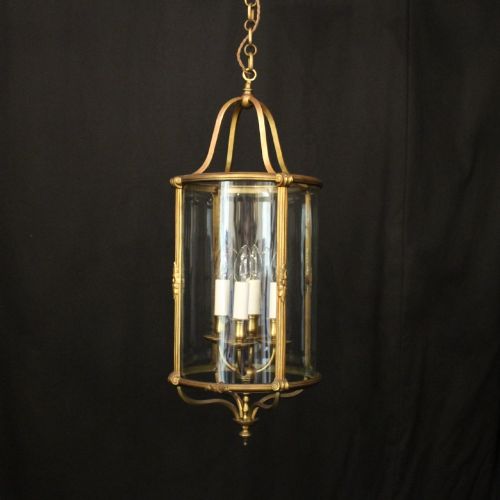
Forms range from ceiling pendant lights and hall lanterns to standard floor lamps and smaller table or hanging options.
Materials and construction methods
Foundries cast the primary frames in bronze, brass, and silvered or gilt bronze, sometimes applying cold-painted details or champlevé enamel work.
Glazing typically involves cut glass, opaline glass, or frosted panels fitted securely within the metal framework to diffuse the light source.
Bronze Lantern Lamp Retail Price Guide 2026
Typical asking prices for bronze lantern lamp among the pieces listed under this phrase on Sellingantiques today, from the lower quarter to the upper quarter. They describe what is for sale here now, not the wider market.
Some models feature tiny glazed windows reminiscent of medieval watchtowers, designed to keep errant drafts away from naked flames.
Distinguishing quality across examples
Quality reveals itself in the crispness of the bronze casting and the depth of any gilding, silvering, or surface ornamentation.
The integrity of the glass elements, whether heavy cut crystal or delicate opaline panels, defines the finish of the piece.
Franz Bergman·Perry & Co
The Bronze Lantern Lamp Glossary
- Champlevé
- An enamelwork technique where troughs are carved into the bronze surface and filled with vitreous enamel before firing.
- Opaline glass
- A milky, semi-translucent glass popular in nineteenth-century lighting for softening the glare of the internal light source.
- Gilt bronze
- Metal that has been coated with a thin layer of gold, providing a rich and enduring surface lustre.
- Hall lantern
- An enclosed ceiling-hung lighting fixture traditionally placed in entranceways or corridors.
- Cut glass
- Glass decorated by grinding facets or patterns into the surface to catch and refract light.
Bronze Lantern Lamp: Frequently Asked Questions
Where should a bronze lantern lamp be hung?
These fixtures work best in entrance halls, stairwells, or high-ceilinged rooms where their enclosed glass and metal design can be viewed from multiple angles. They provide directed illumination while serving as an architectural feature in the space.
Ensure the hanging height suits the clearance of the room, particularly for larger pendant versions or multi-light French styles.
How do I identify a Victorian bronze lantern?
Victorian examples often display heavier cast bronze frames, sometimes incorporating Gothic or classical revival ornamentation. Look for substantial metalwork combined with cut or opaline glass panels.
Maker attributions or registration marks can occasionally be found stamped on the metal components of these nineteenth-century pieces.
What is the difference between a hall lantern and a pendant light?
Hall lanterns typically feature a rigid top mount or a short chain connected to a structured, four-sided or hexagonal glazed frame designed specifically for corridors. Pendant lights may use simpler suspension rods and varied shade profiles.
Both types serve overhead lighting functions but originate from different traditional placement requirements in domestic architecture.
Can these antique lamps be rewired safely?
Most antique lighting is adapted to modern electrical standards by replacing old internal wiring while retaining the original bronze and glass exterior. Qualified electricians can easily update the lamp holders to accept current bulbs.
Preserving the original structural components during rewiring maintains the historic integrity of the piece.