




Bronze Lady Figure
A bronze lady figure captures the grace of changing eras, offering collectors an enduring sculptural focus in metal and stone.
Bronze Lady Figure
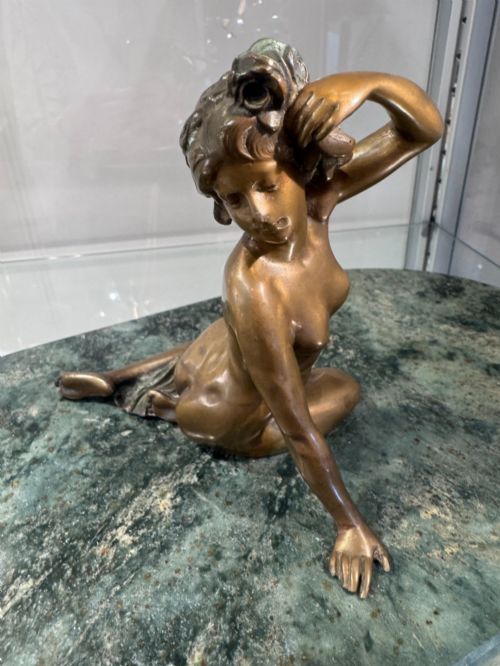
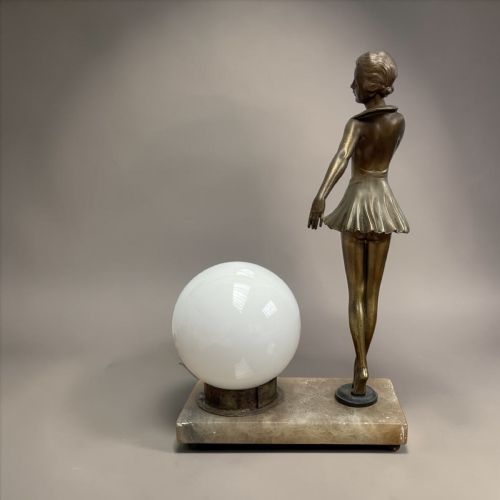
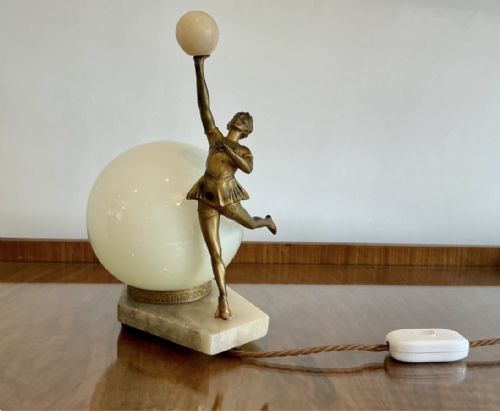
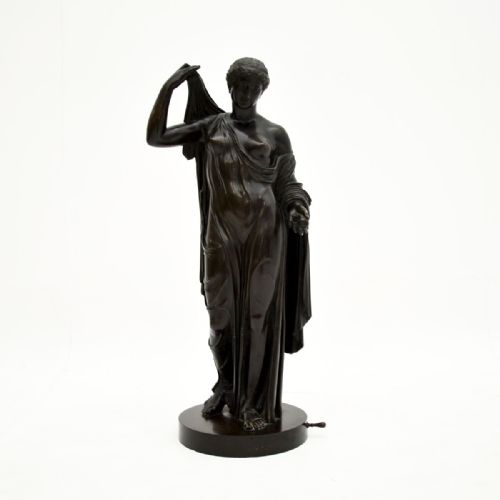
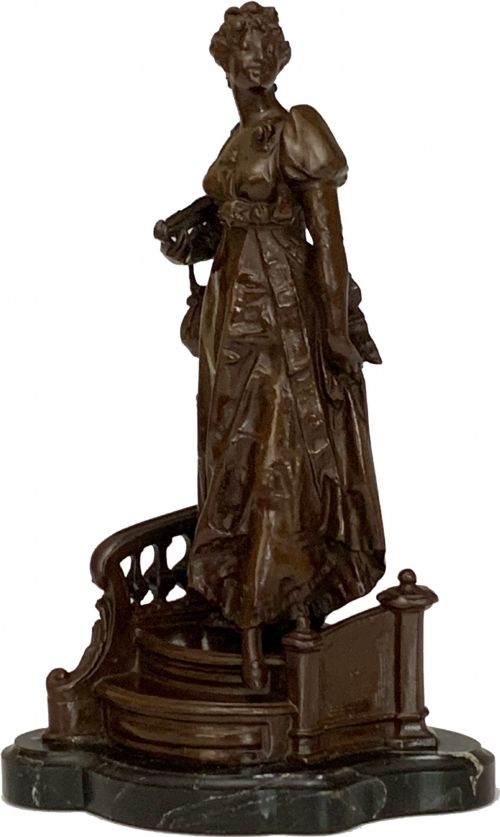
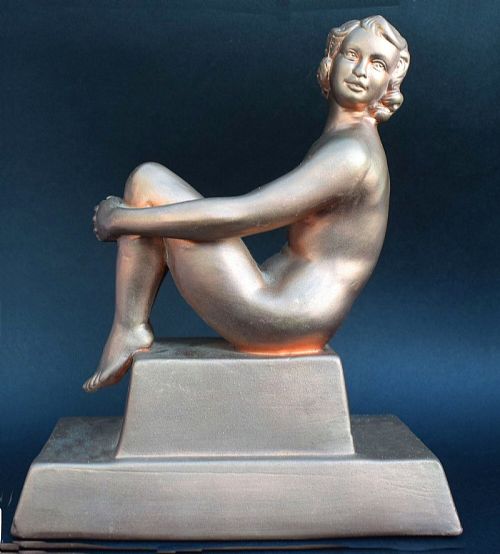
When you search for a bronze lady figure, you encounter sculptural works spanning the late nineteenth century through the Art Deco period. These pieces take the form of freestanding statues, functional table lamps, desk mirrors, and bookends depicting female subjects in varied attire and poses.
The selections on this page highlight distinct design movements, ranging from the flowing organic lines of Art Nouveau to the geometric styling of the 1930s. Figures appear seated, dancing, bathing, or posed as classical robed subjects atop bases of marble, onyx, or alabaster.
How They Were Made
Foundries utilised traditional lost-wax casting for fine metal sculptures, capturing minute details in the drapery, hair, and facial expressions of each subject. Patinated finishes were applied to metal surfaces to create deep brown, gilt, or polychrome cold-painted effects.
Many sculptures incorporate mixed media elements, pairing cast metal figures with carved ivory, glass, or ceramic components. Plinths and bases were fashioned from heavy natural stones such as marble, onyx, and alabaster to anchor the composition.
Object forms range from freestanding sculptures and bookends to functional table lamps and decorative mirrors.
What Varies in Quality
The integration of the figure with its mounting base also dictates overall distinction, as well-fitted marble, onyx, or alabaster plinths reflect thoughtful construction. Original polychrome or cold-painted finishes that remain intact demonstrate superior preservation compared to heavily restored surfaces.
Georges Van Der Straeten·Bergman Vienna·Josef Lorenzl·Sylvain Kinsburger·Eurotrope Bouret·Demetre Chiparus·Jennings Brothers·Franz Bergman·Geo Maxim·Maurice Bouval·Pierre Hebert·Mathurin Moreau·Ernest Rancoulet·Georges Omerth
The Bronze Lady Figure Glossary
- Cold-painted
- A method where oil-based paint was applied to a cold metal surface, common in Austrian bronzes of the late nineteenth and early twentieth centuries. This technique allowed for vibrant polychrome clothing and realistic skin tones.
- Chryselephantine
- A term describing statues made from a combination of metal and ivory, frequently utilised by Art Deco sculptors. The head and hands were typically carved from ivory while the garments utilised bronze or spelter.
- Spelter
- An alloy of zinc and lead often utilised as a cost-effective alternative to bronze during the nineteenth and twentieth centuries. Figures cast in this material frequently received bronze-toned or painted finishes.
- Patination
- The chemical or natural process that alters the colour of a metal surface over time or through intentional treatment. Artists used various chemical solutions to produce warm brown, greenish, or black tones on bronze.
- Lost-wax casting
- The primary method for producing detailed metal sculptures from a wax model encased in a mould. This technique ensures that every nuance of the original sculptor's model transfers directly to the metal.
Bronze Lady Figure: Frequently Asked Questions
What is a chryselephantine figure?
A chryselephantine figure combines metalwork with carved ivory elements to create contrasting textures and tones. These pieces gained immense popularity during the Art Deco period.
Artists utilised the ivory for exposed flesh like faces and hands while casting the drapery and hair in bronze.
How do I spot spelter instead of bronze?
Spelter is a softer zinc alloy that feels lighter than bronze and often shows grey metal beneath worn paint or patination. Sculptures cast in spelter generally exhibit less crisp detail in the casting.
Markings on the base or underside can also help clarify the material composition used by the foundry.
Where were most Art Deco lady lamps made?
France and Austria served as primary manufacturing centres for decorative figural lamps during the 1920s and 1930s. Foundries in Paris and Vienna produced numerous spelter and bronze figures adapted for lighting.
These pieces often incorporated coloured art glass shades or illuminated stone bases.
How do I clean a patinated bronze sculpture?
Dust bronze figures gently with a soft, dry cloth to prevent accumulation without disturbing the surface patination. Avoid water, harsh chemical cleaners, or abrasive polishes that can strip the protective finish.
Applying microcrystalline wax occasionally helps preserve the metal surface against humidity and handling.