



Bronze Hand Vase
A bronze hand vase brings sculptural metalwork and porcelain together into a striking decorative form originating primarily from the nineteenth century.
Bronze Hand Vase
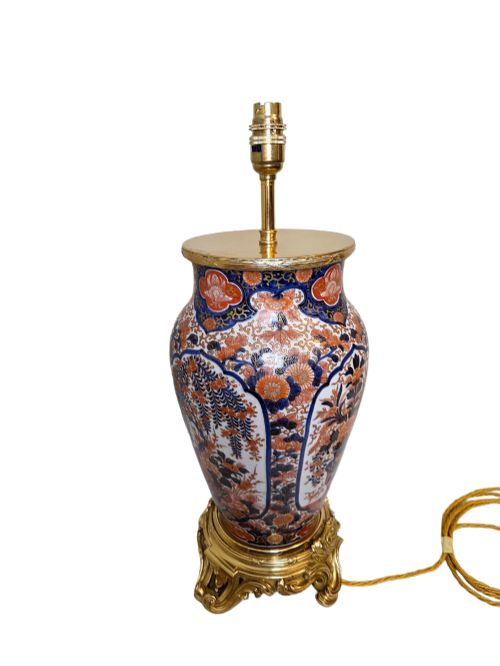
When searching for a bronze hand vase, buyers encounter decorative vessels shaped by nineteenth century makers, often combining porcelain bodies with metal mounts. The selection centres heavily on French Sevres style porcelain items, alongside ormolu, gilt bronze, and brass elements.
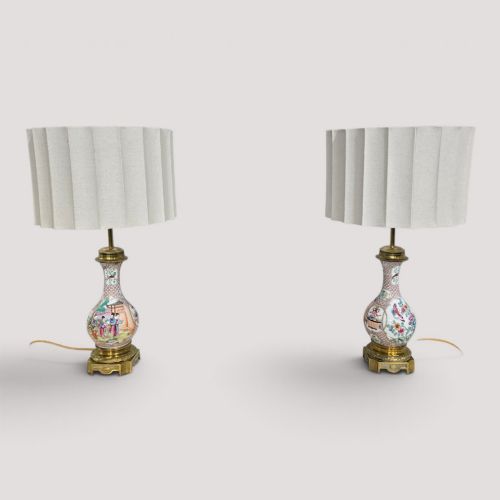
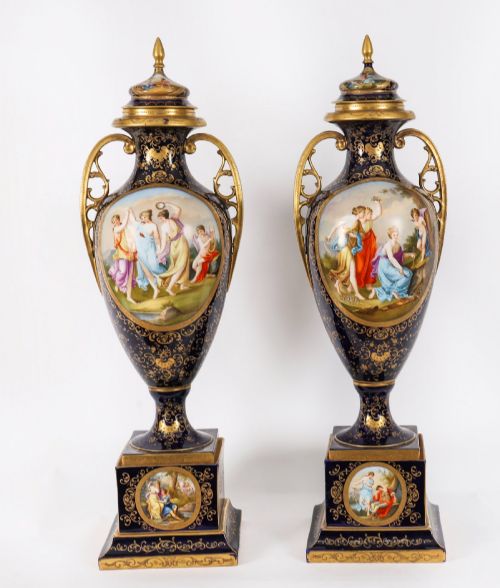
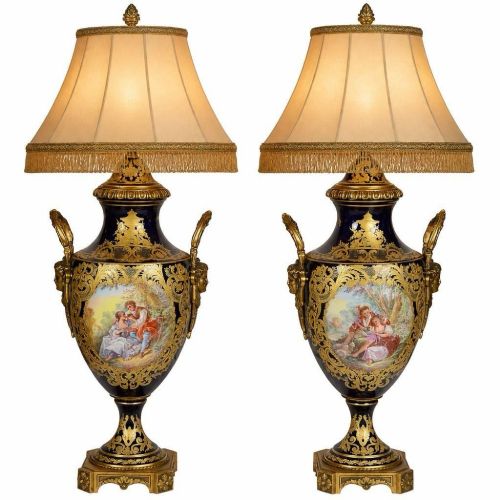
Many examples take the form of lidded vases, table lamps, and urns displaying French Rococo Revival or Neoclassical styling. These pieces frequently appear in pairs or garnitures, reflecting the ornamental tastes of the period.
Alongside European porcelain and metal combinations, the category includes carved bronze works from the Indian Raj period and Chinese cloisonne pieces. This variety offers different interpretations of decorative vessel design within a single search.
Materials and construction techniques
The construction relies heavily on combining ceramic bodies with cast metal mounts such as ormolu, gilt bronze, and gilt metal. Porcelain and Paris porcelain form the central vessels, often decorated with enamel or painted details.
Metal components are shaped through casting and then finished with hand chasing and deep carving, particularly visible in nineteenth century bronze and brass works. Ormolu mounts are secured to porcelain urns and vases to frame the ceramic sections.
Bronze Hand Vase Retail Price Guide 2026
Typical asking prices for bronze hand vase among the pieces listed under this phrase on Sellingantiques today, from the lower quarter to the upper quarter. They describe what is for sale here now, not the wider market.
Some nineteenth century makers engineered their porcelain urns to double as lighting, secretly wiring the centuries old ceramic for modern lamps.
Distinctions in quality
Quality separates through the crispness of the chased and carved details on the bronze or ormolu mounts. Finer pieces display sharply defined ornamentation that integrates smoothly with the porcelain body.
The sophistication of the painted porcelain panels and the weight of the cast metal components also mark the distinction between standard production and exhibition grade works.
The Bronze Hand Vase Glossary
- Ormolu
- Gilded bronze mounts applied to furniture, clocks, and porcelain vessels. This technique was widely utilised in French decorative arts during the nineteenth century.
- Sevres style
- A descriptor for porcelain made in the manner of the Sevres factory. These pieces typically feature rich coloured grounds and painted panels.
- Garniture
- A set of three or more matching decorative vases or urns designed to be displayed together on a mantelpiece or sideboard.
- Chasing
- A metalworking technique where details are hammered or punched into the surface of bronze or brass to create texture and pattern.
- Bleu celeste
- A bright turquoise blue enamel colour frequently used on nineteenth century French porcelain bodies.
Bronze Hand Vase: Frequently Asked Questions
What periods do these vases come from?
The listings consist almost entirely of nineteenth century pieces, specifically spanning the decades from eighteen sixty to nineteen hundred. A small number extend into the early twentieth century.
These dates place the manufacture firmly within the Victorian and late nineteenth century European revival movements.
Are these pieces usually found as pairs?
A large proportion of the available items appear as matched pairs or larger garniture sets. These were originally created to flank central decorative objects on furniture.
Single vessels also appear, offering alternative display options for smaller spaces.
How are porcelain and bronze combined?
Makers joined ceramic bodies to metal mounts by fitting cast ormolu collars, bases, and handles around the porcelain. These metal additions reinforced the vessel while adding decorative contrast.
Some examples were later adapted into table lamps while retaining their original mounted porcelain structure.
What styles dominate this category?
French Rococo Revival and Neoclassical styles form the main aesthetic of the European items. These designs draw on eighteenth century motifs executed with nineteenth century manufacturing methods.
Alternative traditions also appear, including Chinese cloisonne and Indian Raj period carved bronze.