

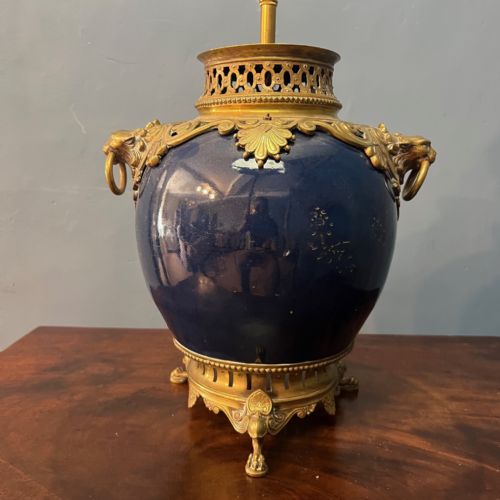
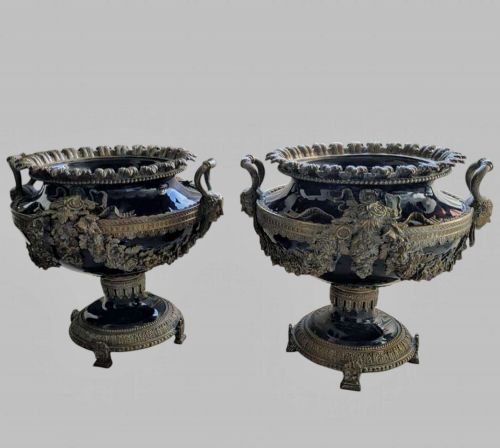
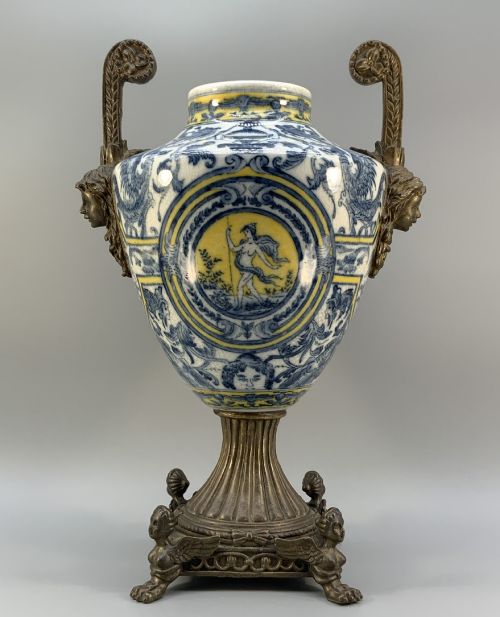
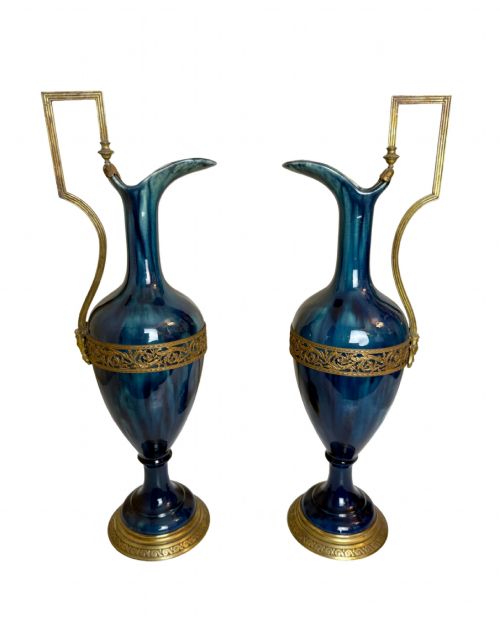


Bronze Glazed Vase
These bronze glazed vase pieces combine ceramic and metalwork traditions, offering rich patinas and decorative presence that elevate any mantel or surface.
Bronze Glazed Vase
A bronze glazed vase brings together ceramic bodies with metal mounts, often taking the form of urns, table lamps, and jardinieres. When exploring this selection, buyers encounter pieces that merge pottery traditions with patinated metal accents.
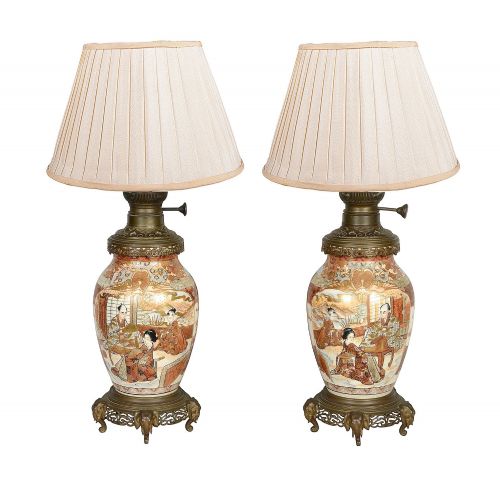
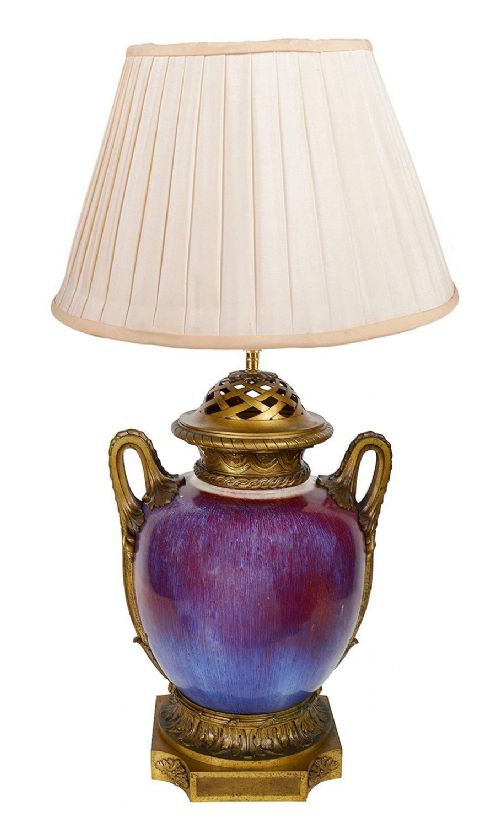
The objects span multiple periods, with nineteenth-century examples appearing frequently alongside earlier Chinese and Japanese pieces. Makers often adapted these vessels into lamps or fitted them with elaborate handles and bases.
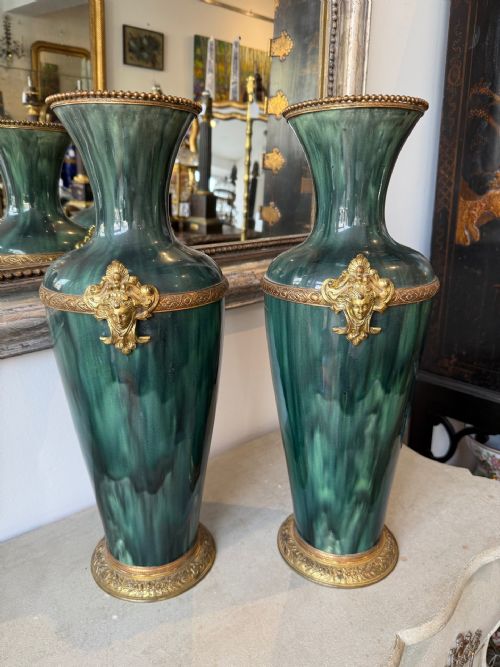
Vessels range from monochrome green and turquoise ceramics to richly decorated faience and Satsuma ware. Each item demonstrates how potters and metalworkers collaborated across various cultural traditions to produce decorative containers.
Materials and construction methods
Potters shaped the ceramic and porcelain bodies on wheels or in moulds before applying coloured glazes such as sang de boeuf, turquoise, or mottled green. Artisans then fired these vessels at high temperatures to achieve deep, vitreous finishes.
Metalworkers added mounts, trims, and handles cast in bronze, gilt bronze, or ormolu, securing them mechanically to the ceramic body. Many items also incorporate brass elements or silk components where lamps have been assembled.
Bronze Glazed Vase Retail Price Guide 2026
Typical asking prices for bronze glazed vase among the pieces listed under this phrase on Sellingantiques today, from the lower quarter to the upper quarter. They describe what is for sale here now, not the wider market.
Materials recorded across the inventory include porcelain, earthenware, ceramic, bronze, gilt bronze, ormolu, brass, and silk.
Evaluating quality and execution
Superior examples display precise integration between the ceramic body and the metal mounts, where collars and handles fit the contours without excess solder or misaligned joins. The depth and evenness of the glaze further distinguish finer studio output from standard commercial production.
The crispness of the bronze casting and the richness of its applied gilding or patination indicate the skill of the metalworker. Better pieces retain original fittings and harmonious proportions between the vessel and its decorative hardware.
The Bronze Glazed Vase Glossary
- Ormolu
- Gilded bronze used for decorative mounts and furniture hardware. The technique involves applying a gold amalgam to a bronze base and heating it to drive off the mercury.
- Faience
- Tin-glazed earthenware produced in various European traditions. This ceramic technique yields an opaque white or coloured background suitable for hand-painted decoration.
- Tsubo
- A traditional Japanese ceramic vessel form used for storage or display. These pieces often feature detailed surface work characteristic of the Meiji period.
- Jardiniere
- A decorative ceramic or metal pot designed to hold plants or floral arrangements. They frequently stand on matching pedestals or feet.
- Sang de bouf
- A rich red copper-based glaze developed in Chinese kilns. The distinctive ox-blood coloration results from controlled firing atmospheres.
Bronze Glazed Vase: Frequently Asked Questions
What is a bronze glazed vase?
A bronze glazed vase is a ceramic vessel featuring either a metallic glaze that mimics bronze or a ceramic body combined with actual bronze mounts and hardware.
These pieces function as standalone decorative urns, table lamps, or jardinieres, reflecting various nineteenth-century revival styles and Asian export traditions.
How do I date a bronze glazed vase?
Dating relies on examining the characteristics of the ceramic body, the composition of the glaze, and the casting style of any metal mounts. Nineteenth-century examples often show specific revival motifs or factory marks.
Changes in manufacturing techniques, such as the transition from hand-thrown earthenware to industrial moulding, help narrow down the period of production.
How should I clean a bronze glazed vase?
Dust ceramic surfaces gently with a soft, dry cloth to prevent accumulation without abrasive friction. Avoid commercial liquid cleaners on glazed areas to protect the finish.
Clean bronze mounts sparingly using a dry brush, taking care not to let cleaning agents touch the surrounding ceramic glaze or coloured finish.
Can I use a bronze glazed vase as a lamp?
Many historical vessels in this category were converted into table lamps during the nineteenth or twentieth centuries. Such conversions often involve drilled bases or fitted brass stems.
When evaluating a converted piece, check that the wiring meets modern safety standards while preserving the original ceramic and metal components.