



Bronze Foyer Light
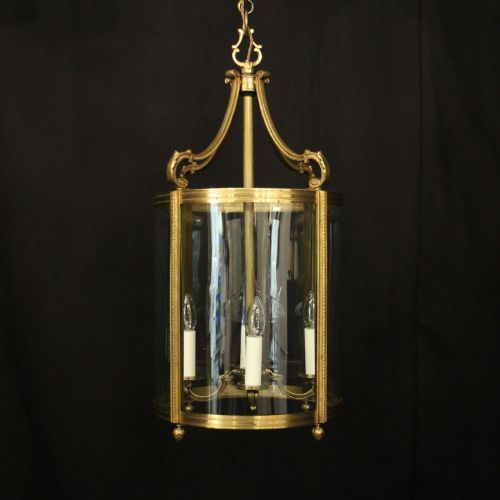
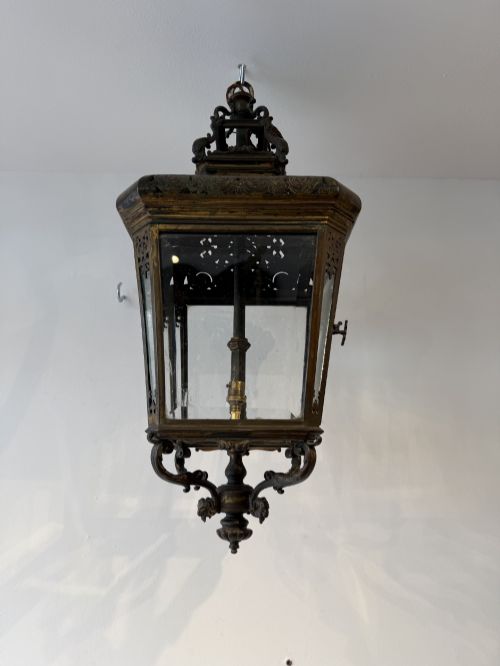
A bronze foyer light brings immediate presence to an entrance, casting warm illumination through bevelled glass and pierced metalwork.
Bronze Foyer Light
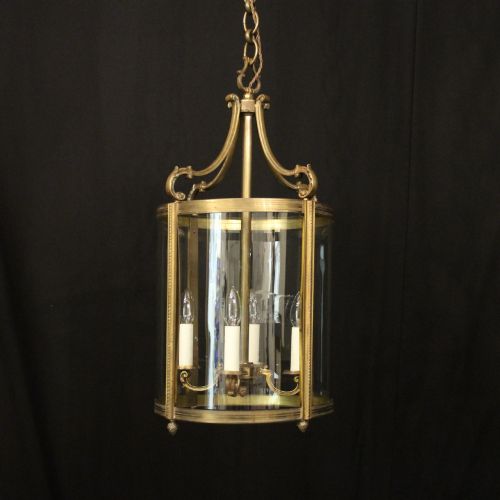
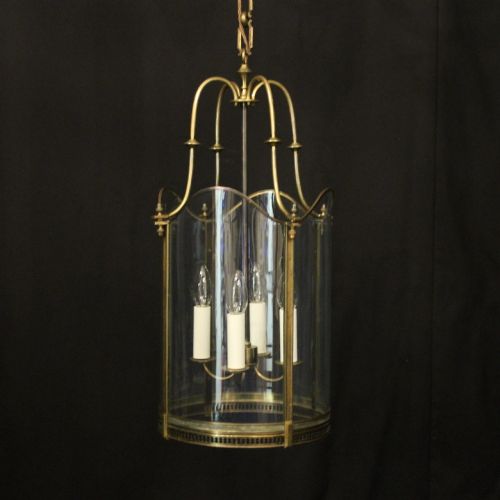
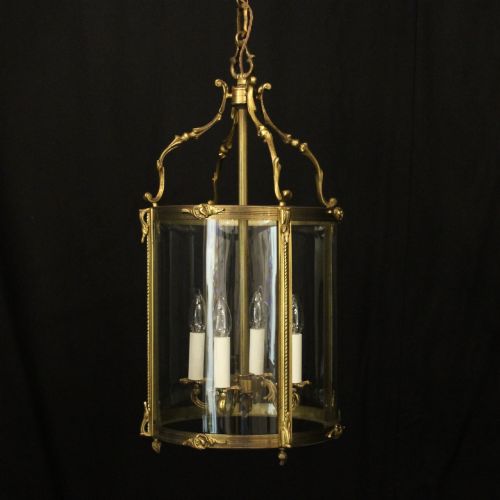
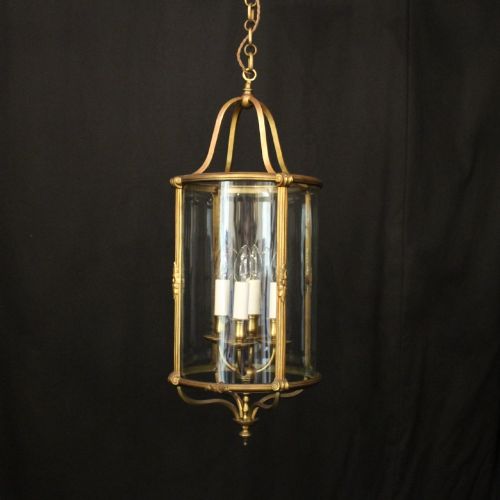
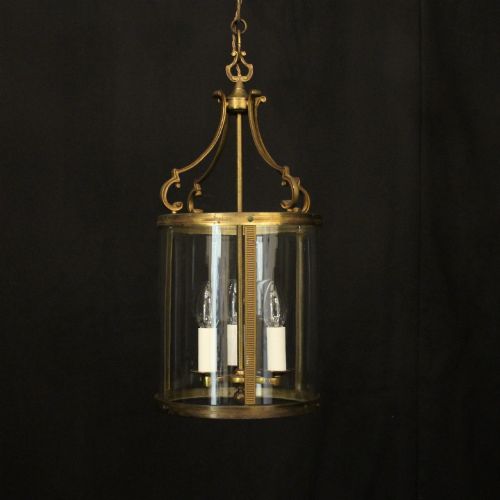
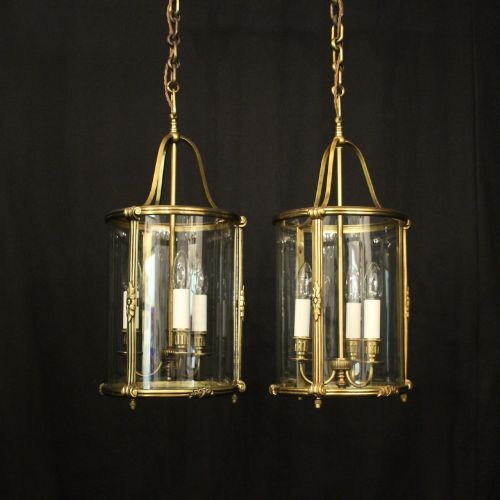
A bronze foyer light is typically encountered as a hanging hall lantern or pendant ceiling light designed to anchor a high-ceilinged entrance hall. These fixtures primarily date from the late nineteenth century through the 1930s, drawing heavily on French stylistic traditions including Louis XV, Louis XVI, and Rococo Revival. Buyers searching for a bronze foyer light will find that most surviving examples originate from French workshops rather than domestic English makers.
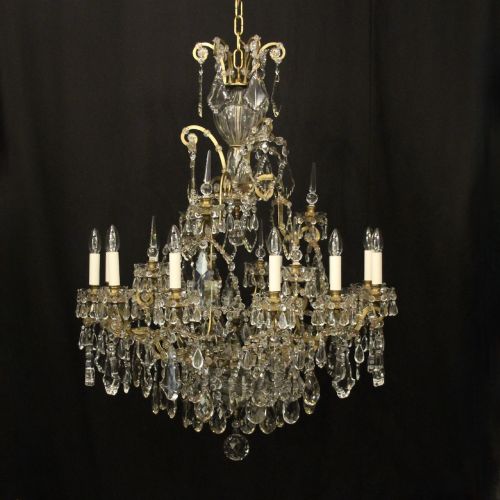
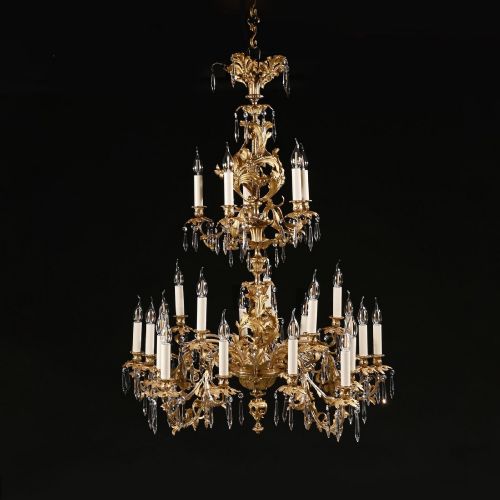
The dominant forms on this page are convex hall lanterns and multi-light hanging fixtures suspended on chains. These pieces combine robust metal frames with glazed panels, often featuring internal candle-style lamp holders for domestic electricity. While lanterns form the core of the selection, grander iterations extend to multi-tier chandeliers with glass drops suited for larger vestibules.
Materials and construction
Construction relies heavily on cast bronze and brass frameworks, frequently finished with heavy gilding or silver plating to enhance reflectivity in dimly lit corridors. Metals were cast in sections, chased by hand to sharpen surface detail, and joined mechanically or via brazing to support substantial weight.
Glazing is integral to the structure, utilising thick convex, bevelled, or flat panes of glass secured within the metal frame by internal clips or channels. Cut glass elements occasionally supplement the design, particularly in chandelier iterations where optical clarity multiplies the internal light source.
Bronze Foyer Light Retail Price Guide 2026
Typical asking prices for bronze foyer light among the pieces listed under this phrase on Sellingantiques today, from the lower quarter to the upper quarter. They describe what is for sale here now, not the wider market.
Listings span the late nineteenth century through the 1930s, dominated by French architectural forms executed in gilded bronze.
Quality factors
Superior examples display crispness in the metal casting and chasing, where foliage, ribbons, or scrolling motifs retain sharp definition rather than soft, muddy outlines. The thickness of the bronze frame and the weight of the hardware dictate structural integrity over decades of hanging.
The quality of the glass components also separates standard production from finer work, seen in the optical depth of bevelled edges and the complete absence of modern replacement panes. Original mercury gilding or heavy gold leaf application patinates gracefully, whereas inferior chemical finishes degrade unevenly.
The Bronze Foyer Light Glossary
- Convex glass
- Curved glass panels that project outward to diffuse light across a wider angle. This technique requires skilled glass-blowing and shaping to fit precise lantern frames.
- Gilt bronze
- Bronze that has been coated with a thin layer of gold using fire-gilding or leaf application. It provides a warm, enduring lustre that resists tarnishing.
- Hall lantern
- An enclosed hanging light fixture designed specifically for entrance spaces and corridors. They shield the light source from drafts and direct illumination downwards.
- Bevelled glass
- Glass panes featuring an angled edge ground down to a specific width. This edge refracts light into spectral colours when illuminated from within.
- Chasing
- The manual process of refining a metal casting with punches and hammers. Artisans use this technique to add surface texture and sharpen decorative details.
Bronze Foyer Light: Frequently Asked Questions
How do I hang a heavy bronze foyer light safely?
Hanging a heavy fixture requires anchoring directly into ceiling joists or installing a substantial steel pattress box capable of supporting the dead weight. Professional electricians should assess the existing wiring and ceiling structure before mounting.
Chain length must be adjusted at floor level to ensure the fixture hangs at the correct clearance for doors and foot traffic. Safety shackles and load-bearing loops must be checked for secure fastening.
Can these antique lanterns be wired for modern electricity?
Most antique lanterns have already been adapted for modern electrical standards during the twentieth century. Rewiring is straightforward for a qualified electrician who can thread heat-resistant flex through the original internal channels.
Lanterns designed for candles can accommodate small SES lampholders without altering the exterior appearance. Care should be taken to select low-heat LED bulbs that protect historical glass and metal finishes.
How do I clean a gilded bronze and glass lantern?
Dusting the frame regularly with a soft, dry brush prevents grime accumulation in the chased details of the bronze. Avoid harsh chemical cleaners that can strip historic gilding or damage the metal surface.
Glass panels can be removed carefully and washed in warm soapy water before being dried thoroughly. Metal surfaces require only gentle wiping with a lint-free cloth to preserve their natural patina.
What is the difference between a hall lantern and a chandelier?
A hall lantern is an enclosed fixture contained within a glazed metal housing designed to direct light downwards and protect the flame or bulb. They suit narrow spaces and stairwells due to their compact profile.
Chandeliers are open-frame multi-arm fixtures carrying multiple light sources without enclosing glass panels. They project light outward in all directions and require wider ceiling clearance.