




Bronze Figurine Models
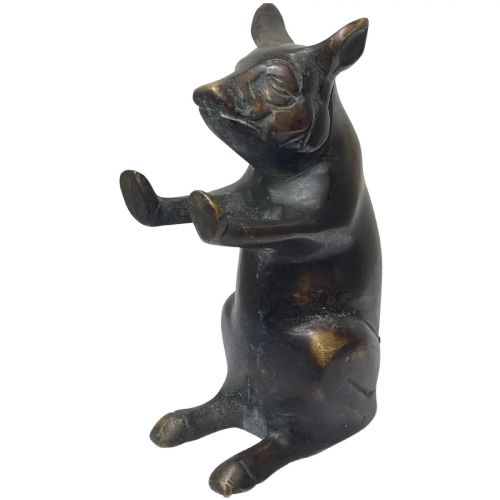
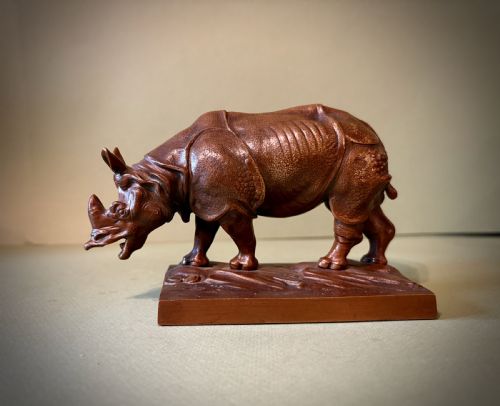
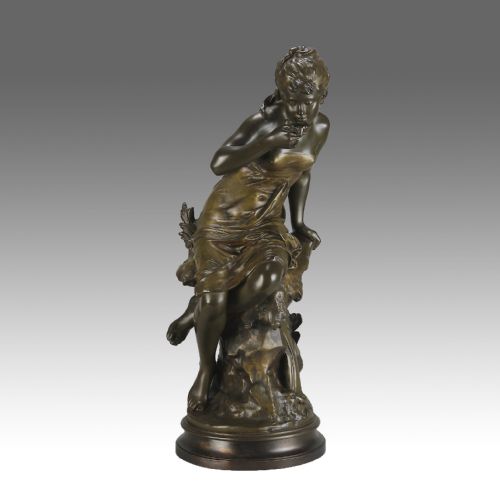
These bronze figurine models bring tactile weight and classical presence to a mantelpiece, ranging from animalier hounds to human figures.
Bronze Figurine Models
Bronze figurine models encompass small sculptures, animal studies, and figurative works originating largely from the nineteenth and early twentieth centuries. Buyers searching for bronze figurine models frequently encounter French animalier subjects, Japanese Meiji period pieces, and Grand Tour classical figures.
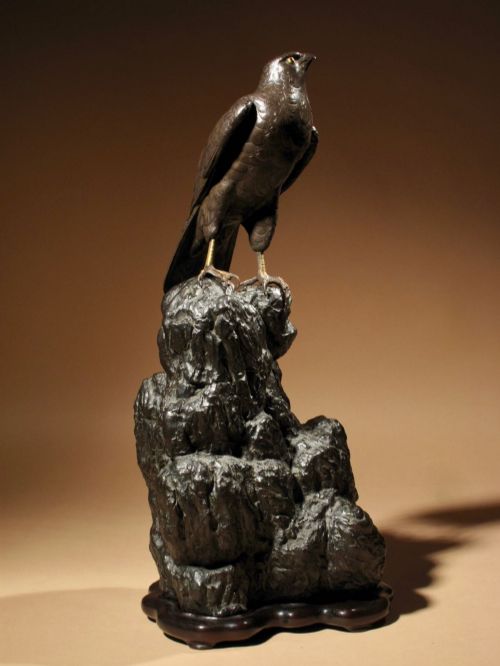
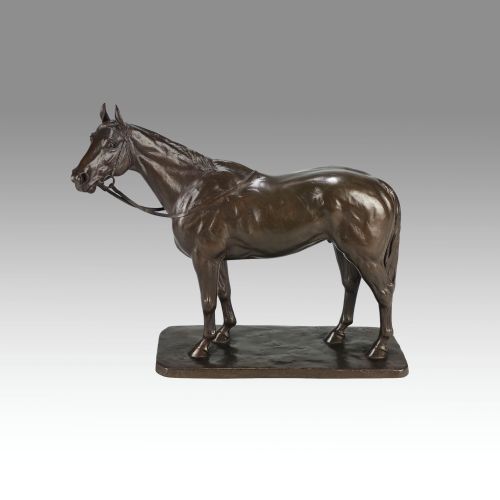
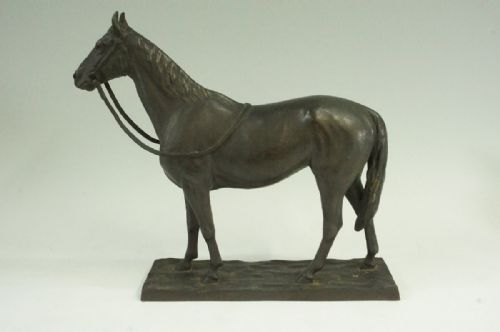
The selection ranges from hawks and gundogs to horses, human figures, and decorative inkwells mounted on marble or onyx bases. Many pieces capture naturalistic movement, such as crouching greyhounds, standing horses, and birds perched on rocks.
French makers dominate the European selections, while Japanese workshops provide distinct avian and equine studies utilising patinated and silvered bronze. Buyers also encounter alternative metal compositions like spelter modelled in the Art Nouveau taste.
Materials and methods
Foundries produced these works primarily in cast bronze, utilising patination, cold-painting, or silvering to achieve surface colour and depth. Austrian cold-painted bronzes received hand-applied pigments over the metal surface, while French animalier casts relied on careful chiselling and patination to render realistic fur and plumage.
Makers frequently mounted the heavier metal sculptures onto marble or onyx bases, adding stability and contrasting texture. Alternative compositions include spelter, an alloy used to create patinated figurative models in the late nineteenth century.
Bronze Figurine Models Retail Price Guide 2026
Typical asking prices for bronze figurine models among the pieces listed under this phrase on Sellingantiques today, from the lower quarter to the upper quarter. They describe what is for sale here now, not the wider market.
Materials recorded across the inventory include patinated bronze, silvered bronze, marble, onyx, spelter, and wood.
Distinctions in quality
Quality rests in the crispness of the chase work and the fidelity of the casting, where superior examples retain sharp feather details, musculature, and facial expressions without blurring. The nuance of the patination dictates depth, with richer chemical applications or careful cold-painting separating finer cabinet pieces from simpler commercial casts.
The choice of base materials and signature integration also signal tier, as heavy marble plinths and clear foundry stamps or artist incisions elevate a model. Lesser quality often appears in softer spelter substitutions or blunt surface finishing that obscures anatomical form.
Mathurin Moreau·Kunio Itô·Dora Heber·Franz Bergman·Antoine Louis Barye·Joseph Francois Victor Chemin·Christophe Fratin·P J Mene·Jules Moigniez·Ferdinand Pautrot
The Bronze Figurine Models Glossary
- Animalier
- A nineteenth-century artistic movement focused on the realistic depiction of animals, particularly in bronze. Sculptors in this tradition studied anatomy closely at menageries.
- Patinated bronze
- Metal treated with chemical solutions to produce a specific surface colour or tone. This process protects the metal and defines shadow and highlight.
- Cold-painted bronze
- A technique where natural paint is applied to a cold bronze casting without subsequent firing. Austrian workshops popularised this method for colourful avian and reptile figures.
- Grand Tour
- The nineteenth-century practice of affluent travellers collecting classical antiquities and bronze reductions of famous sculptures in Italy. These models served as cultural souvenirs.
- Spelter
- A zinc alloy frequently used as a less expensive substitute for bronze in decorative figures. It often received a bronze-coloured coating to mimic genuine metal.
Bronze Figurine Models: Frequently Asked Questions
How do I clean an antique bronze model?
Dust the surface gently with a soft, dry brush to prevent the accumulation of grit in crevices. Avoid water, soap, or commercial metal polishes, as these can strip the original patination.
Apply a very light coat of microcrystalline wax occasionally if the bronze appears dry, buffing it off completely with a clean cloth.
What is the difference between bronze and spelter?
Bronze is a durable copper and tin alloy that takes fine chisel work and develops a stable, rich patina over centuries. Spelter is a softer, zinc-based metal that feels lighter and shows a more brittle fracture if damaged.
Spelter figures often rely on painted surface finishes rather than chemical patination.
Where were most animalier bronzes made?
France served as the primary centre for animalier sculpture during the nineteenth century, driven by foundational artists exhibiting at the Paris Salon. Foundries in Paris cast numerous studies of hounds, horses, and wild animals for domestic interiors.
Austrian and Japanese workshops also produced significant numbers of animal models using distinct regional techniques.
Are marble bases original to these sculptures?
Many nineteenth and twentieth-century cabinet bronzes were issued with fitted marble or onyx bases to provide visual weight and stability. The mounting style, stone type, and edge bevelling generally match the period of the metal casting.
Replacements do occur, so examine the fit between the bronze feet and the stone surface for consistency.