



Bronze Ewer Pitcher
A bronze ewer pitcher brings classical dignity and tactile weight to a room, functioning as both a vessel and a sculptural statement.
Bronze Ewer Pitcher
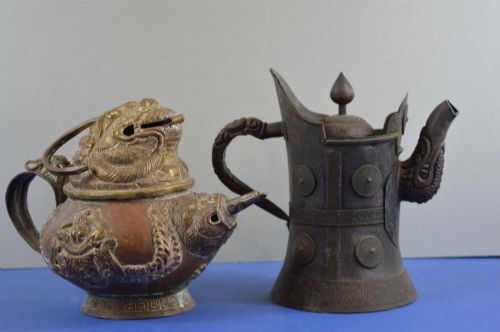
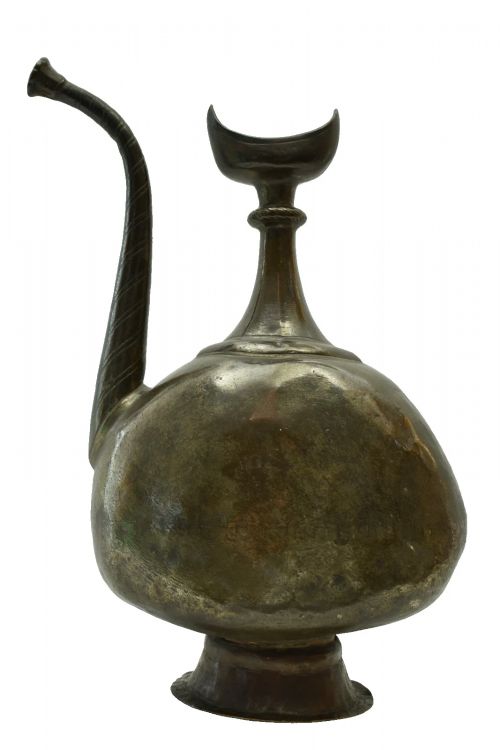
A bronze ewer pitcher unites historical utility with decorative ambition, originating from domestic and ceremonial vessels of the past. When exploring this selection, buyers encounter everything from monumental Italian Grand Tour souvenirs to intricate Ottoman aftabas and Tibetan ceremonial pieces.
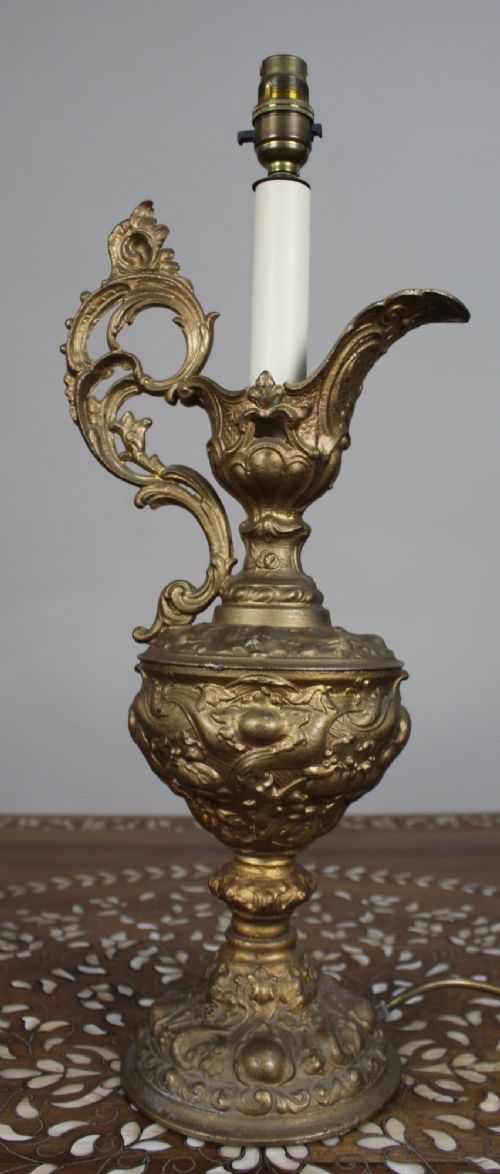
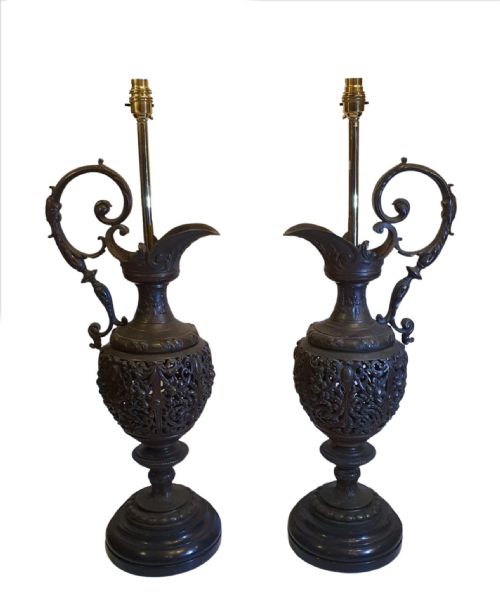
The pieces on this page span several centuries, with the majority sitting firmly in the nineteenth century alongside earlier pre-sixteenth century Persian examples. Forms range from functional jugs and teapots to monumental display urns, decorative vessels, and pieces later converted into table lamps.
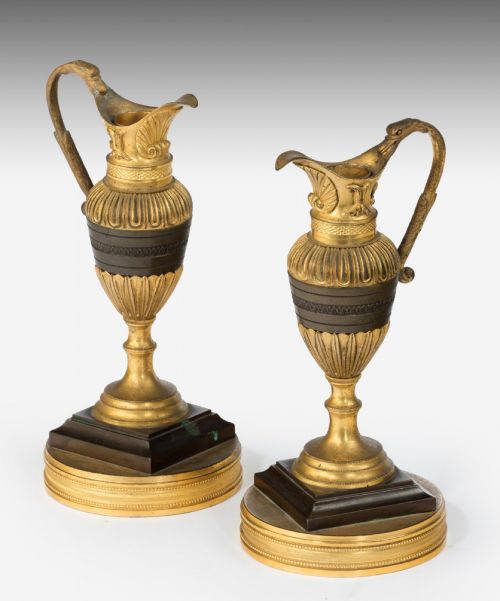
Origins are remarkably diverse, drawing on French Neoclassical, Tibetan Traditional, Ottoman, and Victorian Renaissance Revival idioms. This stylistic breadth means a buyer can source anything from a heavy patinated bronze jug with figural handles to an ornate gilt metal lamp.
Materials and technique
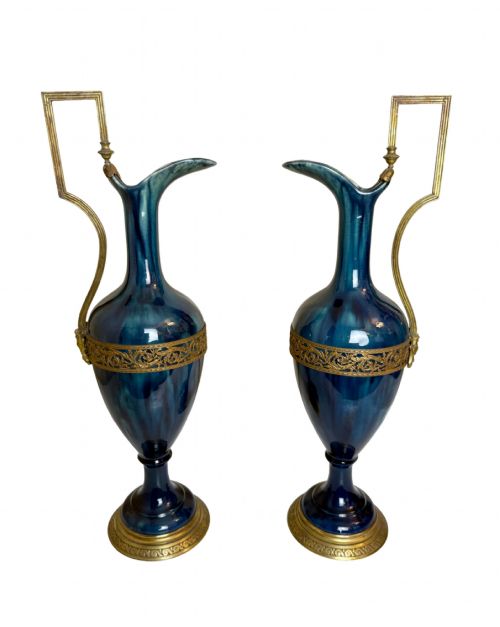
The primary metalwork relies heavily on cast bronze, often enhanced through patination, ormolu, or gilt metal highlights. Many items combine this foundational metal with contrasting elements such as blue porcelain, glass, copper inlay, and silver.
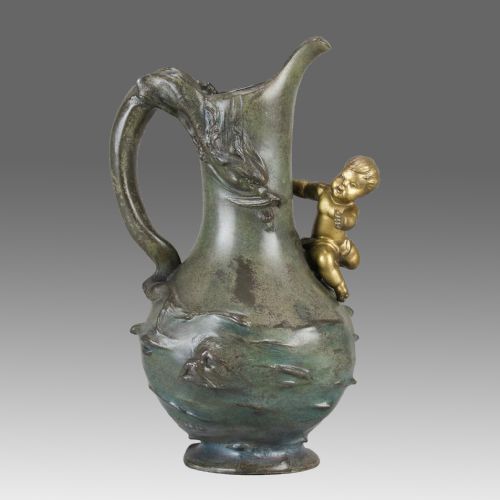
Surface decoration frequently involves intricate chasing and repoussé work, while handles take the sculptural form of Bacchus, dolphins, or mythical makara creatures. Some regional pieces incorporate specialised techniques like metal inlay to define complex surface patterns.
Materials include patinated bronze, ormolu, gilt metal, copper, brass, and porcelain, alongside mounted blue glass.
Judging quality
Quality rests in the crispness of the casting and the sensitivity of the chasing, where sharper anatomical details in figures like putti or satyrs reveal a more skilled hand. The integrity of the original surface patina or gilding plays a major role in how successfully a piece has aged.
The weight and balance of the metal, along with the complexity of figural handles and applied trims, distinguish ambitious studio or foundry work from standard production pieces. When mixed media such as glass or porcelain are present, the seamless integration of metal mounts indicates superior craftsmanship.
Georges Van De Voorde·Clodion
The Bronze Ewer Pitcher Glossary
- Ewer
- A large jug with a wide spout and handle, historically used for pouring water or wine. In antique contexts, these function primarily as decorative objects.
- Ormolu
- Gilt bronze, where finely ground high-carat gold is applied to a bronze base using a mercury amalgamation process. This technique gives the metal a warm, durable golden finish.
- Grand Tour
- A nineteenth-century cultural tradition where wealthy travellers collected art and architectural bronzes across Europe. These souvenir pieces often recreate classical antiquity on a smaller scale.
- Patinated Bronze
- Bronze that has been treated chemically or naturally to alter its surface colour. This process creates tones ranging from deep chocolate brown to verdigris green.
Bronze Ewer Pitcher: Frequently Asked Questions
What is a bronze ewer pitcher used for?
Historically, these vessels served practical functions for pouring water, wine, or tea during formal meals and ceremonies. Today, collectors display them as sculptural centrepieces on mantelpieces, sideboards, or console tables.
Some examples have been adapted over time into table lamps, combining antique metalwork with functional lighting for modern interiors.
How do I clean an antique bronze ewer?
Antique bronze requires minimal intervention to preserve its historical surface and stable patina. Dust gently with a soft, dry cloth and avoid commercial metal polishes that strip away age-related coloration.
If the piece incorporates delicate elements like glass or porcelain, take care to keep moisture away from glued or mounted joints during routine maintenance.
Are these ewers solid bronze?
Many items are cast in solid bronze or brass, while others combine metal alloys with gilt bronze, ormolu, or copper. Some decorative vessels incorporate contrasting bodies made of blue glass or porcelain.
Foundries often used spelter or gilt metal for specific production runs, particularly in later decorative wares.
How do I identify a Grand Tour piece?
Grand Tour pieces typically date from the nineteenth century and reflect classical, Roman, or Renaissance motifs encountered by travellers in Italy. They often exhibit high-quality casting designed to replicate ancient sculptures and architectural ornaments.
These items were brought home as prized souvenirs to demonstrate the owner's refined education and taste.