




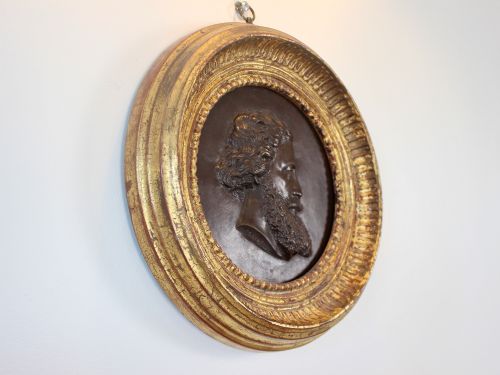
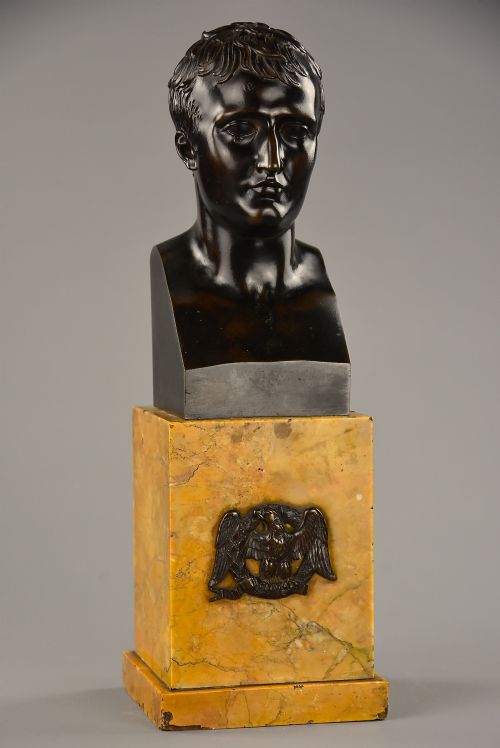


Bronze Classical Bust Sculpture
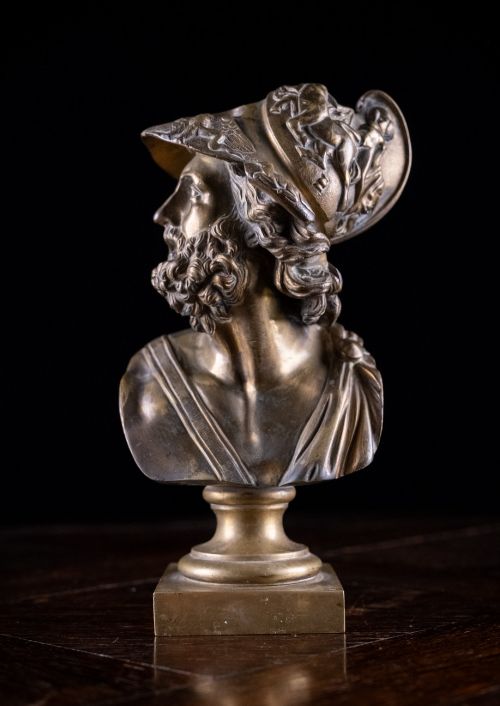
A bronze classical bust sculpture brings the gravity of antiquity into a room, cast in metal and carved with historical portraits.
Bronze Classical Bust Sculpture
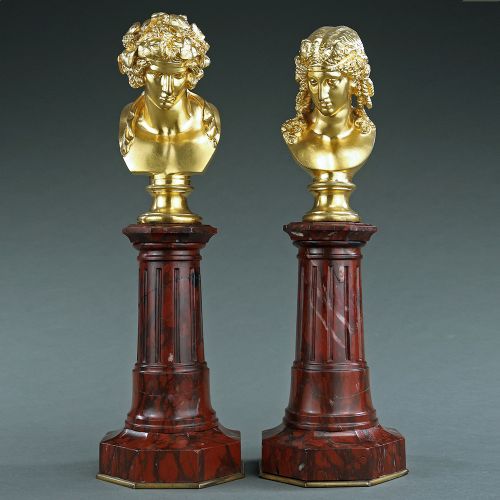
A bronze classical bust sculpture represents historical figures, mythological deities, and Roman emperors, capturing subjects like Antinous, Dionysus, and Marcus Aurelius. These pieces emerge predominantly from nineteenth-century production, often linked to the Grand Tour tradition where travellers collected souvenirs of classical antiquity.
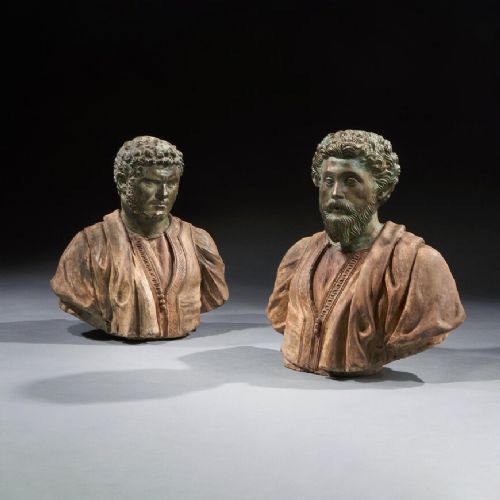
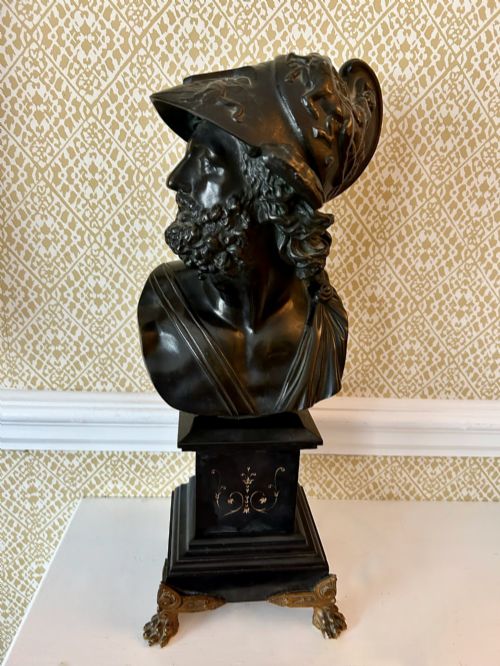
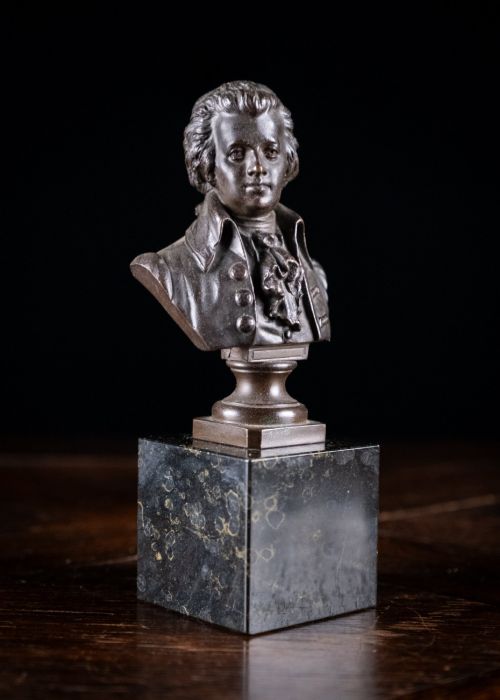
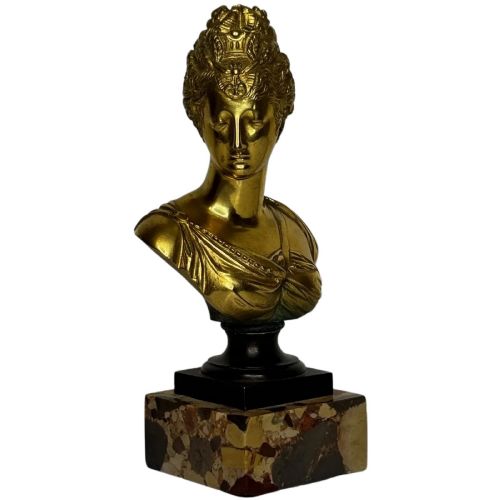
The format extends beyond pure metal to include patinated bronze, gilt bronze, and bronzed terracotta, frequently mounted upon marble bases or associated with marble stands. Forms range from cabinet-sized portrait studies to large decorative works, occasionally paired as matched sets of historical rulers.
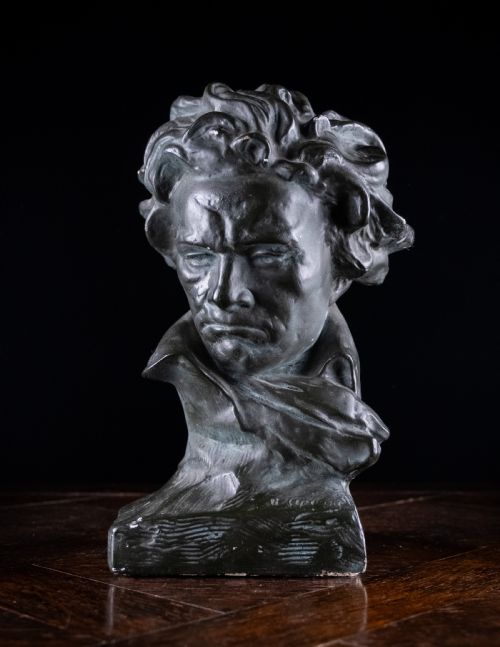
Alongside metal casts, related sculptural works appear in painted plaster and terracotta, depicting literary figures, musicians, and classical women. These objects function both as standalone portrait sculptures and as elements paired with pedestals and columns.
Materials and Casting Methods
Alternative sculptural media utilised plaster and terracotta, which were cast or modelled and subsequently painted to simulate heavier materials or finished with subtle patinas. Marble served extensively for the supporting bases and columns that elevated the portrait busts.
Bronze Classical Bust Sculpture Retail Price Guide 2026
Typical asking prices for bronze classical bust sculpture among the pieces listed under this phrase on Sellingantiques today, from the lower quarter to the upper quarter. They describe what is for sale here now, not the wider market.
Hypnos oversees sleep with delicate poppy stems cast into his verdigris hair, guarding the collection from nocturnal disturbances.
Assessing Sculptural Quality
Quality depends upon the crispness of the foundry chase work and the subtlety of the surface patina, which reveal the sculptor's original hand or the fidelity of the reduction cast. Superior examples display refined facial expression, anatomical precision, and careful integration with their marble or ormolu mounts.
Signatures of known sculptors and founders provide a benchmark for excellence, distinguishing standard decorative foundry output from distinguished artistic commissions. The integration of high-grade materials like solid bronze and sculpted marble further elevates the standing of a piece.
E.Villanis·Georges-Charles Coudray·Sir Thomas BROCK R A·Hans Müller·Mathurin Moreau·Adolphe Jean Lavergne·Ernest-Eugène Hiolle
The Bronze Classical Bust Sculpture Glossary
- Grand Tour
- A cultural journey undertaken by nineteenth-century elites across Europe, acquiring classical antiquities and bronze souvenirs. These objects reflect the classical taste cultivated during those travels.
- Patination
- The chemical treatment or natural weathering applied to bronze surfaces to create specific colouration and depth. A well-maintained patina enhances the sculptural contours.
- Ormolu
- Gilt bronze applied as decorative mounts to furniture, bases, or sculpture stands. This technique involves mercury gilding on a bronze substrate.
- Terracotta
- Fired clay moulded into sculptural forms, occasionally left matte or painted to resemble metal. It provides a warm, tactile alternative to cast bronze.
- Verdigris
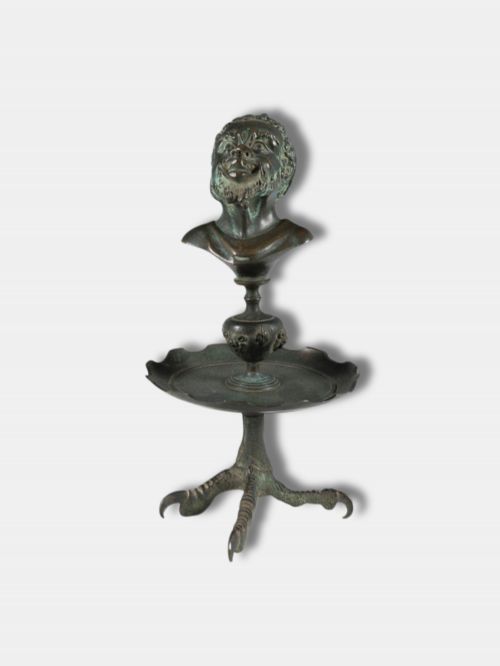
- A green patina formed naturally or artificially on copper, brass, and bronze. Classical revival bronzes frequently utilise this finish to emulate ancient excavated artefacts.
Bronze Classical Bust Sculpture: Frequently Asked Questions
What is a Grand Tour bronze bust?
A Grand Tour bronze bust is a nineteenth-century souvenir cast in Italy or France, reproducing classical sculpture for travellers.
These pieces brought classical mythology and ancient portraiture into European homes, serving as scholarly decoration.
How do you display a heavy bronze bust?
These sculptures require sturdy placement on heavy furniture, dedicated marble columns, or reinforced pedestals.
Because bronze and marble combinations carry substantial weight, stable surfaces ensure the safety of both the sculpture and the furniture.
Are plaster busts historical pieces?
Plaster busts served as library decoration, academic studies, or affordable alternatives to bronze during the nineteenth and early twentieth centuries.
Makers cast them to replicate classical antiquities and notable modern figures for domestic and institutional display.
What subjects are common in these sculptures?
Common subjects include Roman emperors, Greek philosophers, mythological deities, and historical literary figures.
Portraits of Caesars, philosophers like Hippocrates, and mythical entities like Hypnos dominate the classical repertoire.