

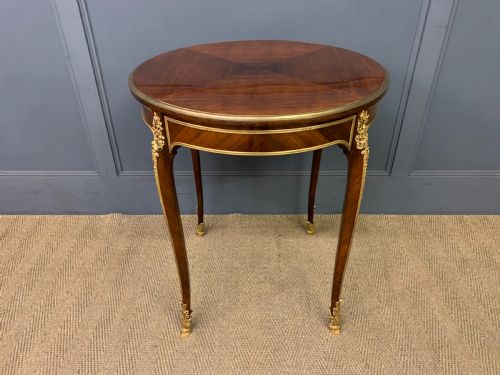
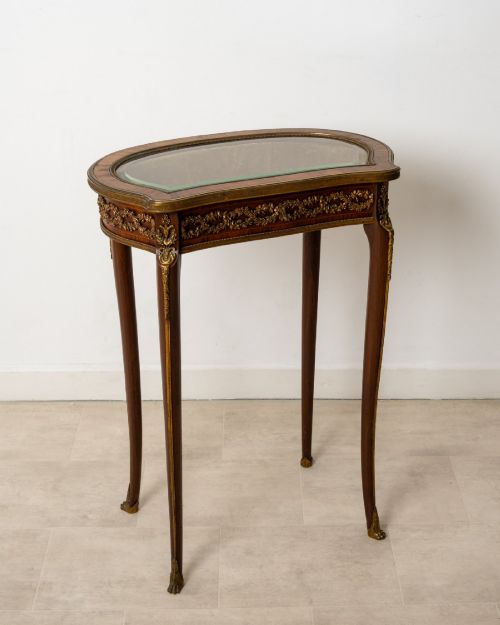
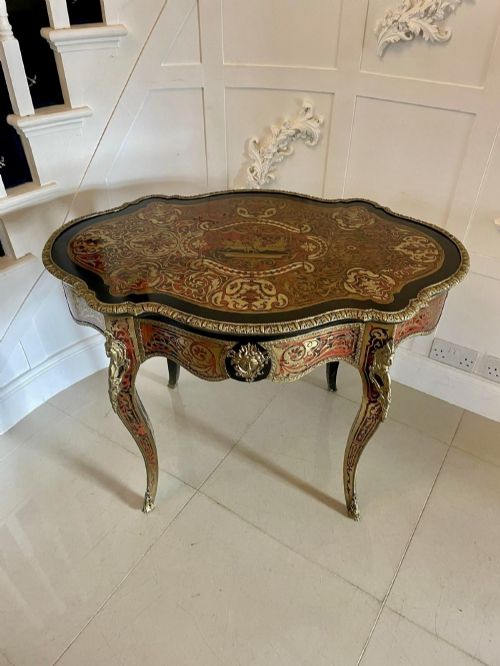
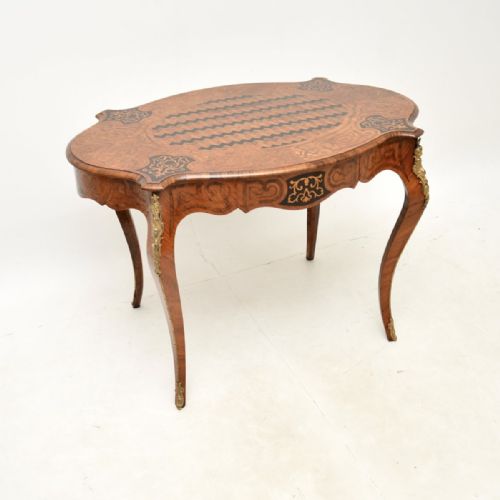
Bronze Centre Table
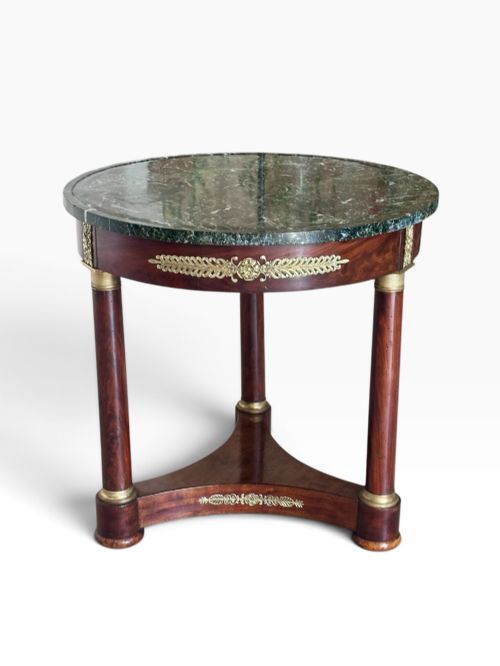
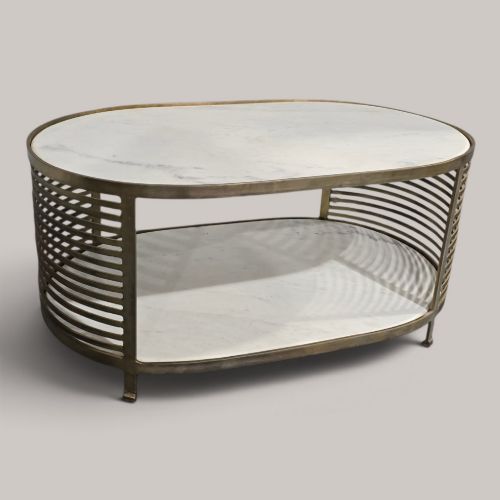
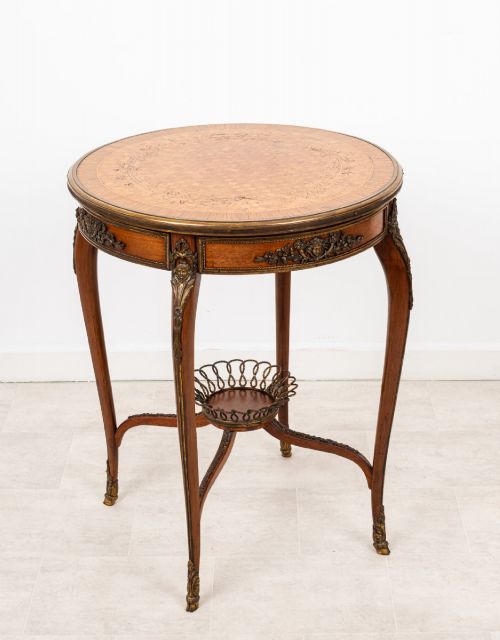
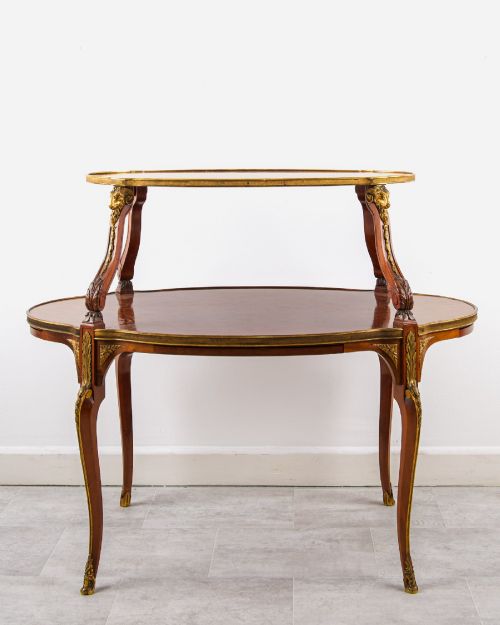
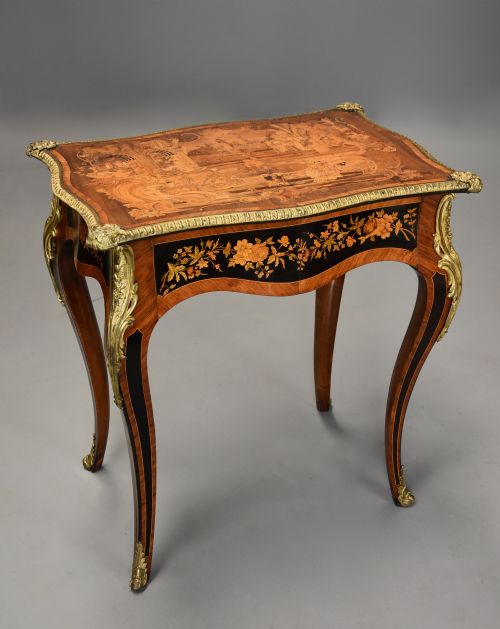
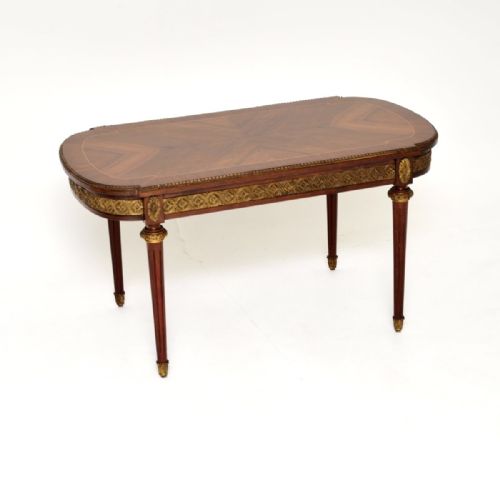
A bronze centre table anchors a room with its sculptural mounts and substantial timber frame, serving as a freestanding focal point for display or study.
Bronze Centre Table
A bronze centre table is designed to stand free in the middle of a room rather than against a wall, finished carefully on all sides. These pieces emerge predominantly from nineteenth-century workshops, drawing on French revival aesthetics and classical proportions.
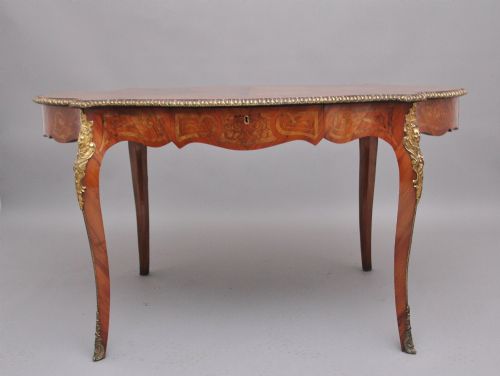
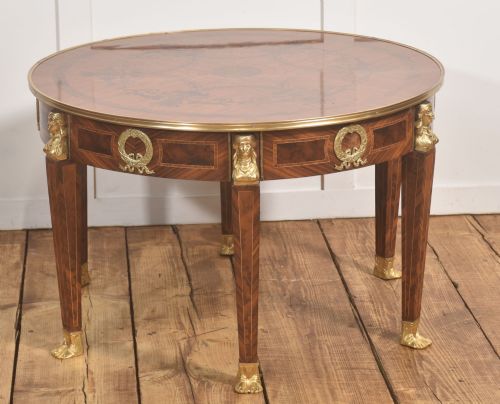
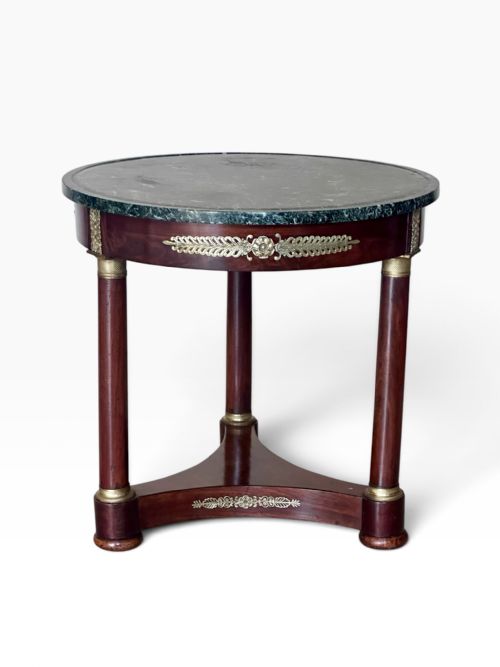
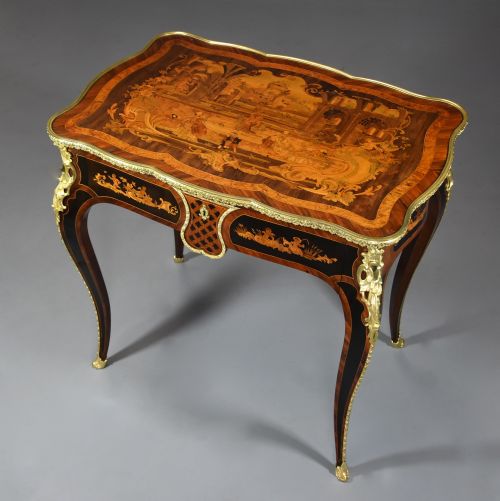
The selection ranges from French Empire gueridons to elaborate Louis XV and Louis XVI style tables. Walnut, kingwood, mahogany and ebonised wood provide the primary chassis for these freestanding forms.
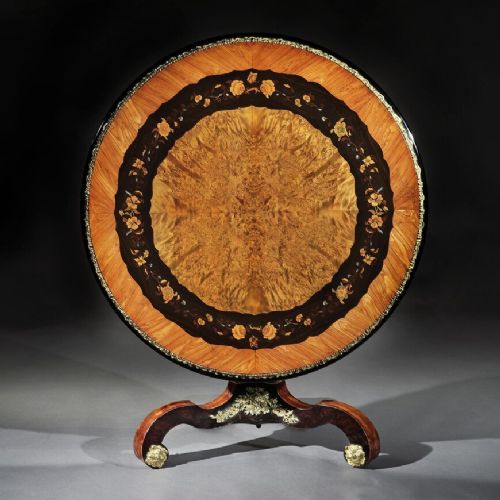
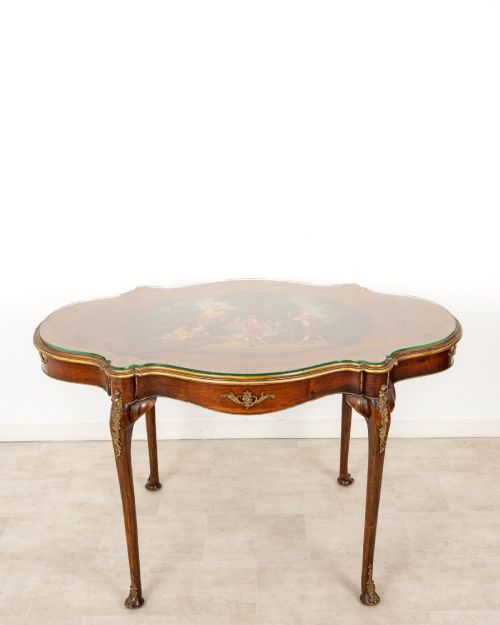
Makers often integrated marquetry, parquetry and porcelain plaques into the tops, supported by cabriole or pillar legs. Ormolu and gilt bronze mounts define the vocabulary of these domestic furnishings.
How they were made
Cabinetmakers constructed the foundational carcase using dense hardwoods such as mahogany, walnut and kingwood, often applying intricate veneers in floral or geometric marquetry patterns. Ormolu and gilt bronze elements were cast, chased and fire-gilded before being secured to the timber frames with precision.
Marble slabs and Sevres style porcelain panels were inset into the timber tops to create durable, decorative surfaces. Brass and copper inlays were routed directly into the wooden panels, requiring steady hands and specialised cutting tools.
Bronze Centre Table Retail Price Guide 2026
Typical asking prices for bronze centre table among the pieces listed under this phrase on Sellingantiques today, from the lower quarter to the upper quarter. They describe what is for sale here now, not the wider market.
The furniture styles span Louis XV, Louis XVI, Empire and Victorian revivals alongside Edwardian occasional tables.
What varies in quality
The crispness of the gilt bronze chasing separates standard production from exhibition pieces, where every leaf and scroll on the ormolu mounts displays sharp detail. The depth and complexity of the timber veneers, from burr walnut to multi-wood floral marquetry, indicate the skill invested in the surface.
Structural integrity relies on the hidden joinery within the frame and the weight of the bronze mounts. Pieces associated with notable makers demonstrate superior hand-finishing in both the timber polish and the bronze patination.
Francois Linke·Edward Holmes Baldock·Paul Sormani·A Beurdeley·Jackson and Graham
The Bronze Centre Table Glossary
- Ormolu
- Gilt bronze mounted or applied to furniture. This technique involves coating cast bronze with a finely ground gold-mercury amalgam and heating it to drive off the mercury.
- Boulle
- Marquetry technique utilising brass and tortoiseshell. The materials are cut together in stacked sheets to produce contrasting positive and negative patterns.
- Gueridon
- A small circular freestanding table. Originating in seventeenth-century France, these pieces frequently feature a central pedestal or three supporting legs.
- Bureau Plat
- A flat-topped writing desk designed to stand free in a room. These tables usually incorporate leather writing inserts and multiple frieze drawers.
- Parquetry
- Geometric wood inlay forming patterns such as cubes or chequers. Artisans arrange small blocks of contrasting timbers across the surface of the table.
Bronze Centre Table: Frequently Asked Questions
Where should a bronze centre table go?
These pieces suit large reception rooms, libraries or entrance halls where they can be viewed from all sides. Because they are finished on every exterior surface, they sit comfortably in the middle of an open floor plan rather than pushed against a perimeter wall.
Positioning the table away from direct sunlight and heat sources protects the polished timber veneers and the delicate gilt bronze mounts from drying out or sustaining surface damage over time.
How do I identify a French Empire style table?
French Empire pieces rely on classical architectural motifs, heavy mahogany timbers and bold gilt bronze mounts. Look for columns, paw feet and military-inspired or mythological ornamentation that reflect the aesthetic of early nineteenth-century design.
The structural lines tend to be more monumental and rectilinear than the flowing curves found in earlier Louis XV style furniture.
What is the difference between a centre table and a library table?
Library tables generally feature integrated drawers for storing papers and heavier timber construction suited to daily study. Centre tables prioritize decorative presentation through marquetry, parquetry and elaborate ormolu mounts.
Both forms are designed to stand free in the room, but the library table leans toward utility while the centre table leans toward display.
How do I clean an ormolu mounted top?
Dust the surface regularly with a soft, dry lint-free cloth to prevent particulate buildup in the recessed areas of the bronze. Avoid commercial metal cleaners, abrasive pads and liquid polishes that can strip the historic gilt surface.
Maintain stable indoor humidity levels to keep the underlying wood from expanding and contracting, which can loosen the fit of the metal mounts over the timber carcase.