

Bronze Casting Statue
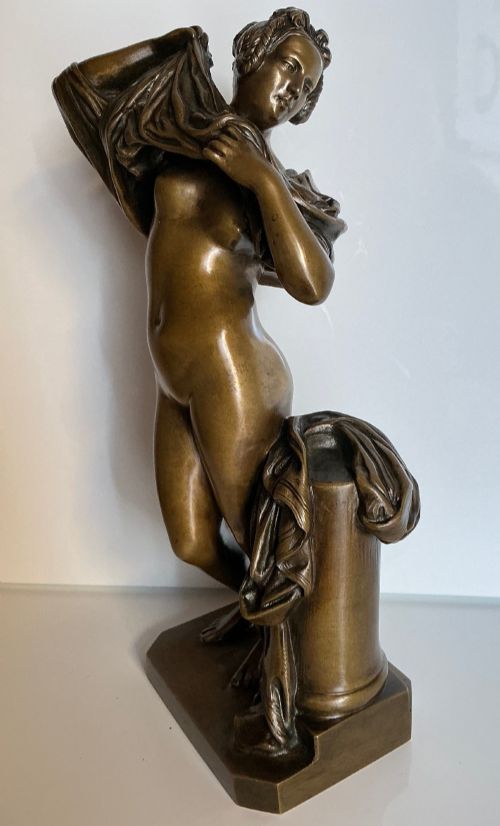
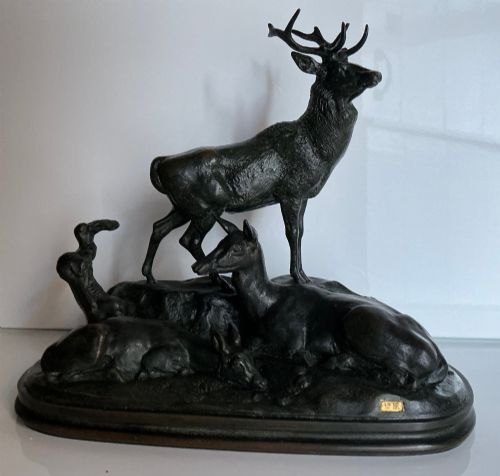
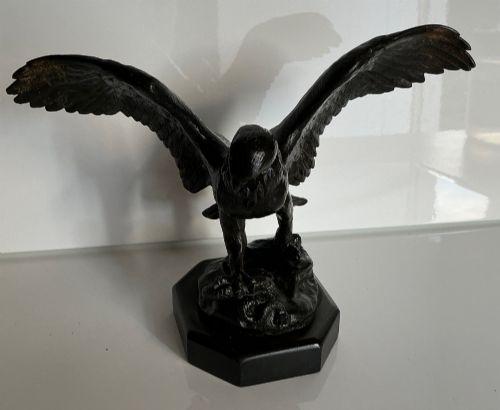
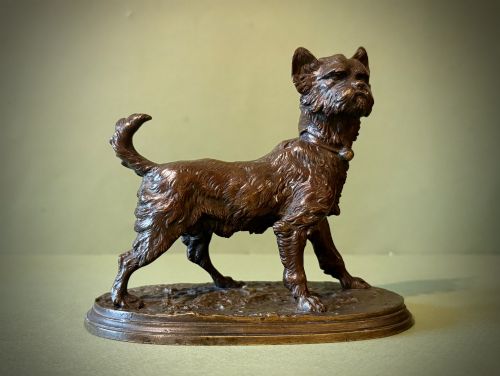
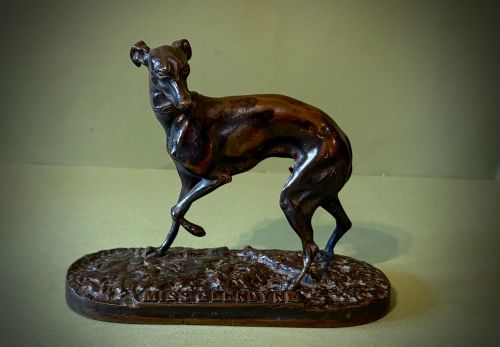
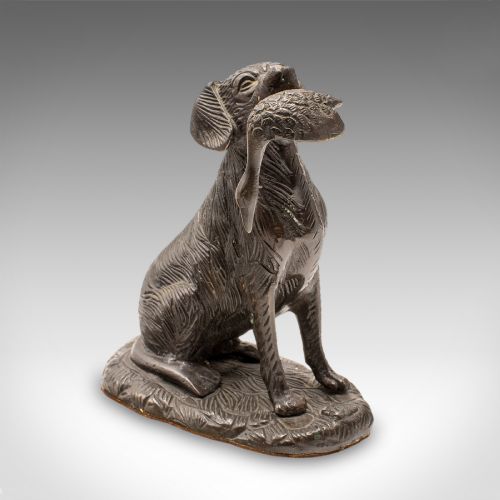
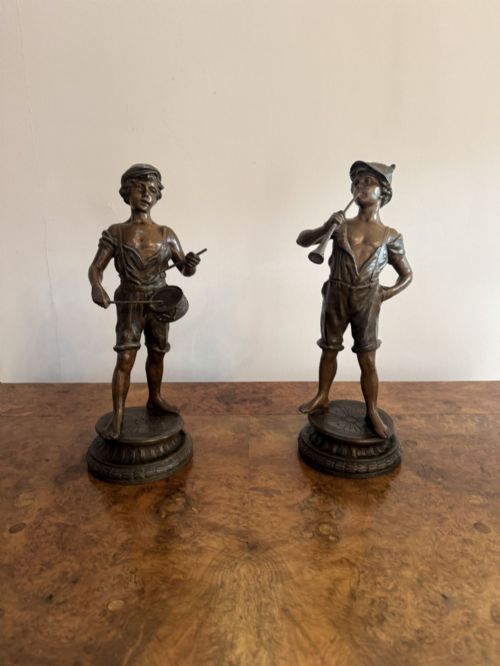
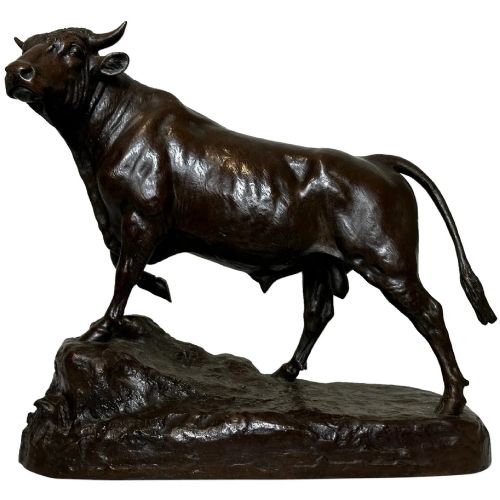
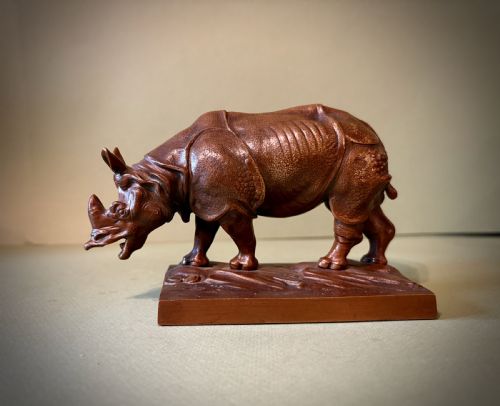
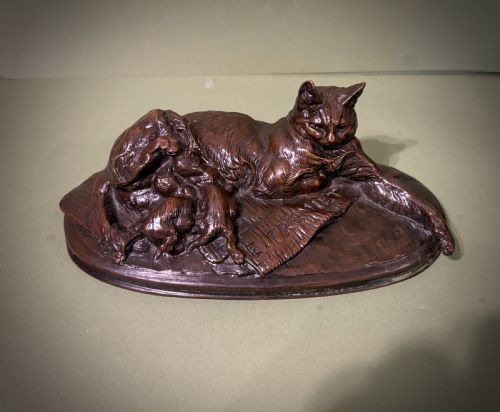
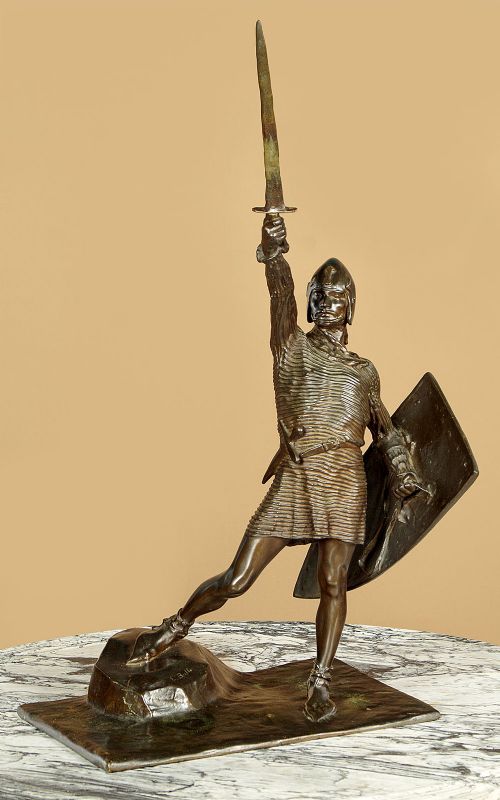
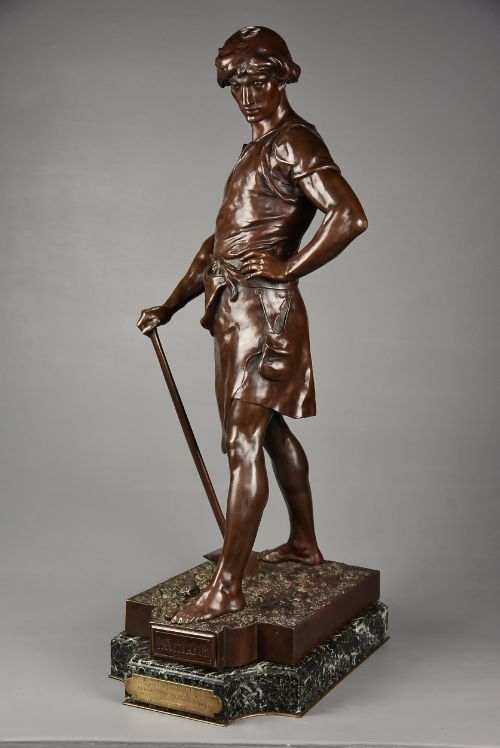
These bronze casting statue works span animals, figures, and deities cast across the nineteenth and twentieth centuries.
Bronze Casting Statue
A bronze casting statue is a metal sculpture created through traditional founding methods, encompassing everything from small cabinet figures to large exhibition pieces. When you search for this phrase, you encounter works ranging from Japanese Meiji period studies of animals and figures to European animalier bronzes and religious statues.
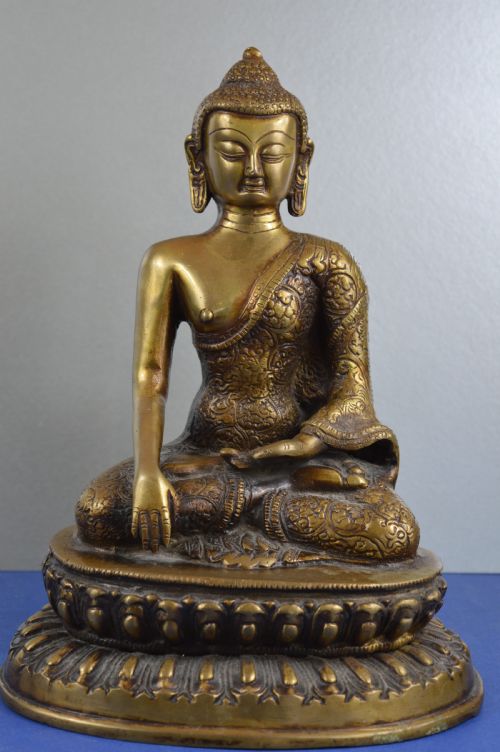
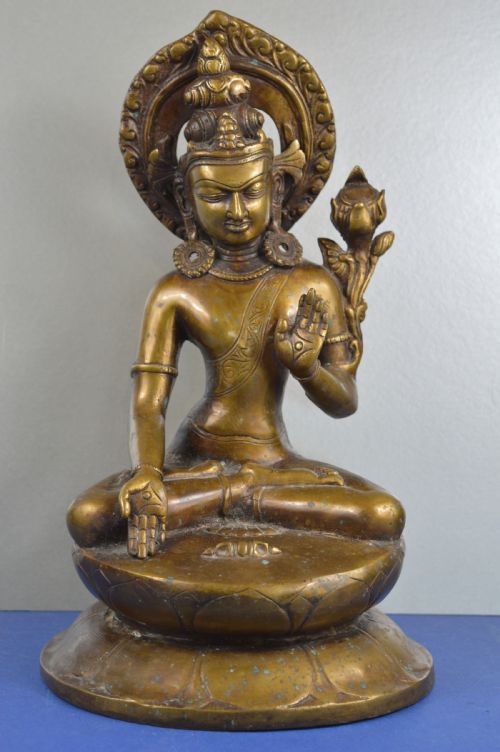
The selection includes nineteenth and twentieth-century European horse studies, dogs, birds, and human figures, alongside Tibetan, Nepalese, and Burmese Buddhist icons. French animalier bronzes and Austrian cold-painted works appear frequently alongside Japanese bronzes featuring naturalistic subjects.
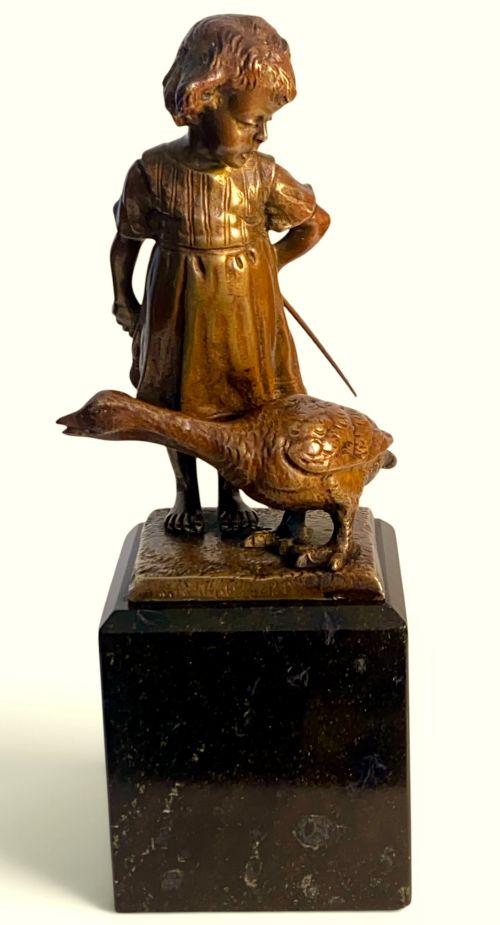
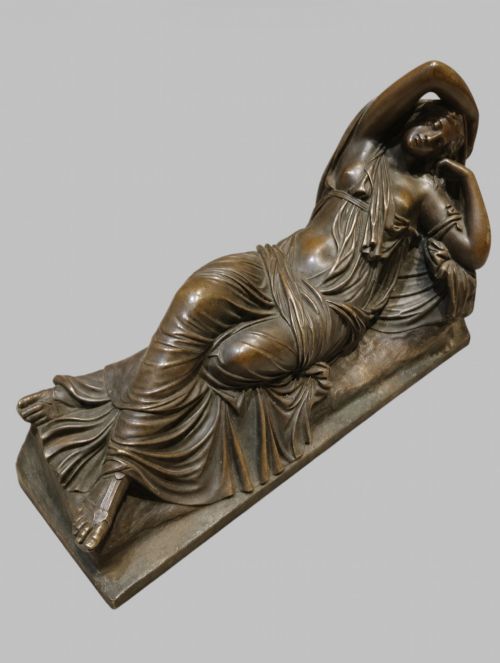
Many items mount directly onto marble or wood plinths, while others stand independently as solid metal figures. The forms vary from domestic animal groups to mythological subjects and Grand Tour souvenirs after classical sculptors.
How they were made
Foundries primarily utilised the lost-wax casting method to capture fine anatomical details in bronze, followed by hand-chasing and finishing the metal surface. Patination was applied using chemical treatments to achieve various brown, green, or dark surface tones.
Some European works incorporate cold-painted pigments over the bronze surface, while others combine metal with marble bases, ivory elements, or painted highlights. Wood and brass elements also appear in supporting mounts and structural details.
Bronze Casting Statue Retail Price Guide 2026
Typical asking prices for bronze casting statue among the pieces listed under this phrase on Sellingantiques today, from the lower quarter to the upper quarter. They describe what is for sale here now, not the wider market.
Keep an eye out for elephants with diamond eyes and tiny sleeping puppies.
What varies in quality
Quality rests in the crispness of the chase-work and the fidelity of the cast to the original model, where subtle muscle definition and texture remain sharp. Superior pieces retain careful hand-finishing that preserves the dynamism of the subject without softening the edges.
The depth and consistency of the patination contribute significantly to the visual weight of the sculpture, distinguishing master foundry work from simpler production pieces. Signed editions by known sculptors carry distinct artistic authority over unmarked or generic castings.
P J Mêne·Emmanuel Villanis·Franz Bergman·Alfred Dubucand·Alfred Barye·Christophe Fratin·Kakuha Kanzaemon·Tsunemitsu
The Bronze Casting Statue Glossary
- Animalier
- A nineteenth-century artistic movement and style focused on the realistic depiction of animals. Practitioners specialised in capturing the musculature and movement of wildlife and domestic beasts.
- Cold-painted bronze
- A technique where oil paint is applied to a cold bronze casting rather than fired in a kiln. This method was notably practiced by Viennese foundries to create brightly coloured figures.
- Patina
- The chemical coloration or surface film developed on bronze over time or through artificial treatments. It protects the metal and provides the piece with its characteristic tone.
- Lost-wax casting
- A process where a wax model is encased in a mould, melted out, and replaced with molten bronze. This technique allows for intricate undercuts and delicate surface detail.
- Grand Tour
- Souvenir artworks purchased by travellers touring European cultural centres during the eighteenth and nineteenth centuries. These often included small bronze reductions of classical sculptures.
Bronze Casting Statue: Frequently Asked Questions
How do I clean an antique bronze?
Dust the surface gently with a soft, dry brush to remove settled particles without disturbing the original patina. Avoid using water, oils, or chemical polishes, as these can strip the historic surface treatment.
Professional conservation is recommended if deeper cleaning becomes necessary. Maintaining a stable indoor humidity helps protect the metal from further environmental reactions.
What is an animalier bronze?
Animalier refers to sculptures created by artists who specialised in realistic animal studies during the nineteenth century. These pieces focus on the natural behaviour, anatomy, and movement of creatures.
Subjects range from working dogs and horses to exotic wildlife captured in action. The style emphasises accurate observation over idealized forms.
How can I tell the age of a bronze?
Examine the base, casting seams, and the character of the patina for signs of age and traditional foundry methods. Maker signatures and registry marks also help establish a production period.
Earlier castings often display hand-chased surface details that differ from later mass-produced replicas. Comparing the style to documented works by known sculptors provides further context.
Where should I display my bronze statue?
Place the sculpture on a stable surface away from direct sunlight, heating vents, and damp environments. Heavy pieces require sturdy furniture or dedicated plinths to support their weight safely.
Allow enough surrounding space to view the piece from multiple angles, particularly for three-dimensional animal studies and figures. Proper placement protects both the sculpture and its mount.