
Bronze Candle Arm Chandelier
A bronze candle arm chandelier brings substantial weight and warm metal tones to a room, offering both functional illumination and distinct period character.
Bronze Candle Arm Chandelier
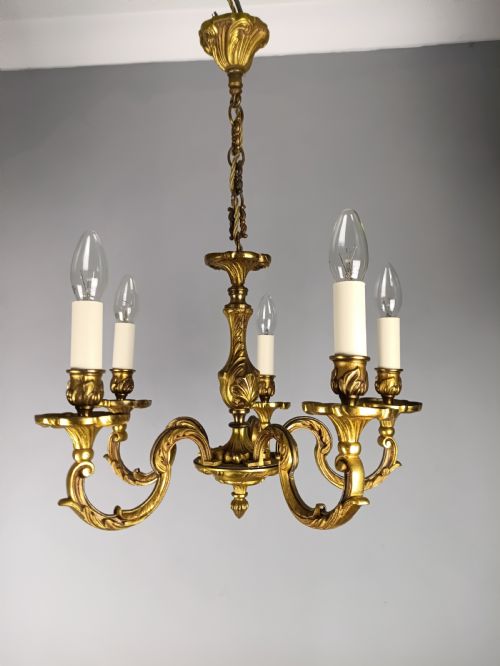
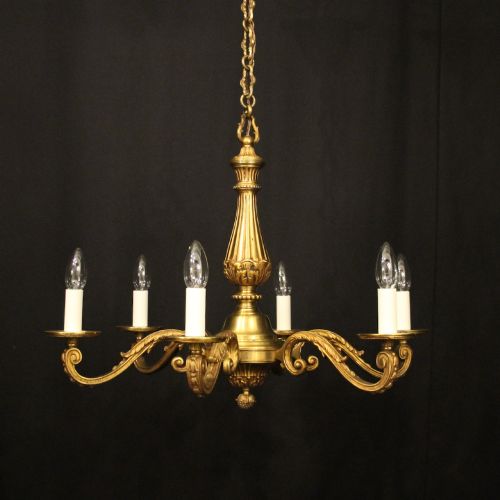
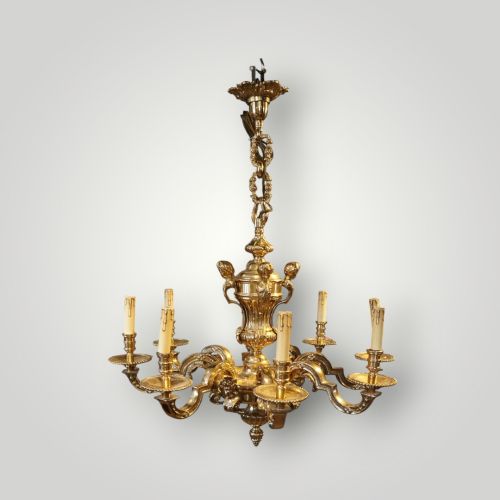
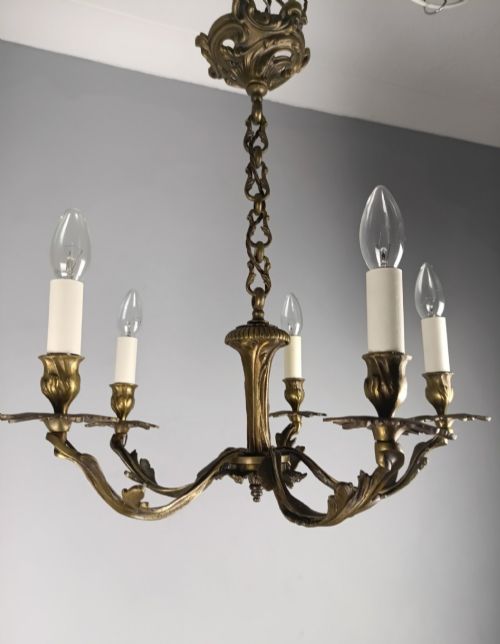
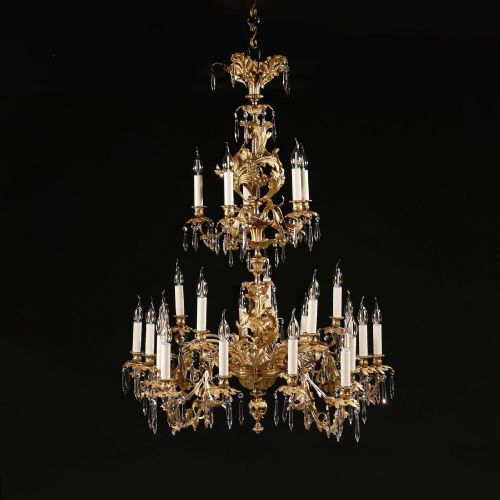
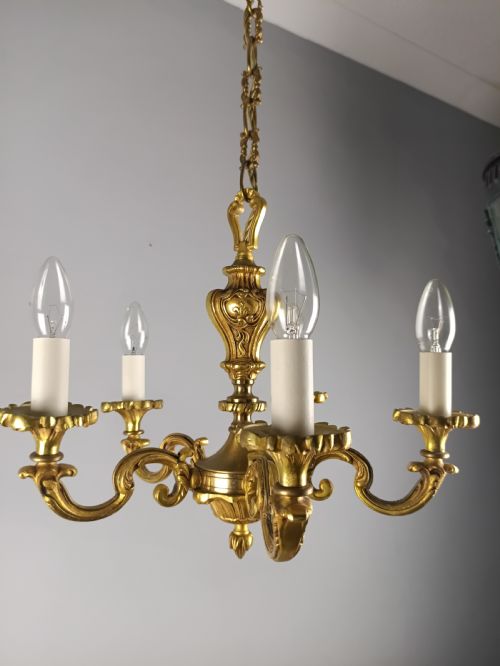
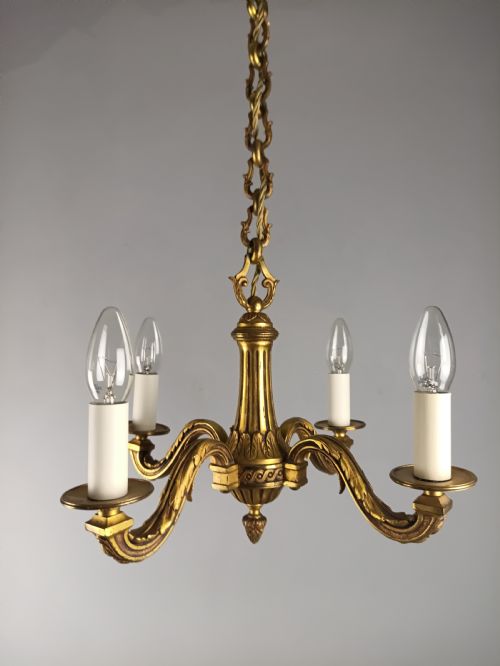
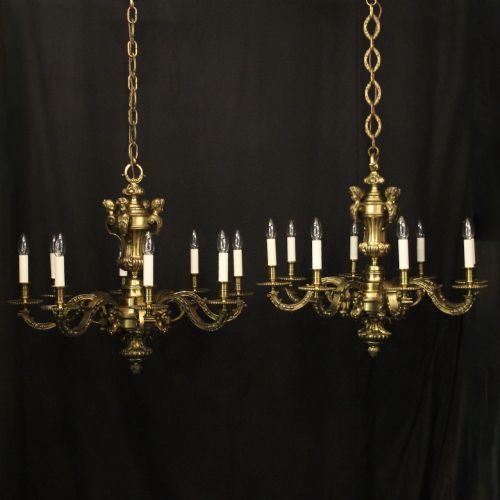
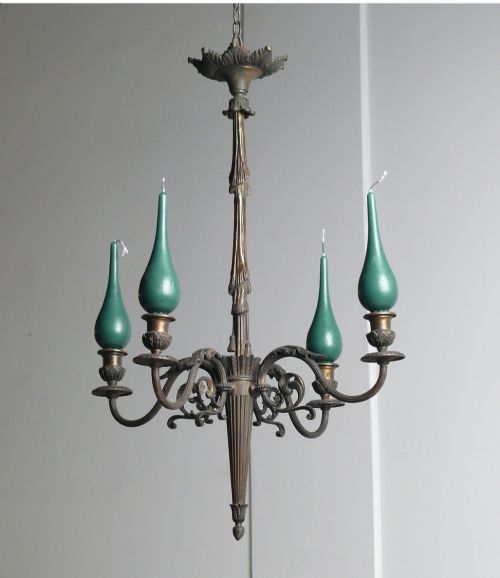
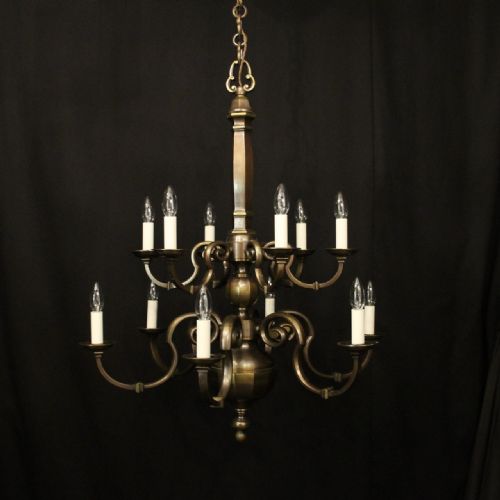
When you search for a bronze candle arm chandelier, you encounter multi-armed overhead lighting fixtures designed to hold multiple candles or electrified bulbs styled to mimic them. These fixtures predominantly originate from French workshops across the nineteenth and early twentieth centuries, spanning periods from the 1880s through the 1930s. The selection heavily favours French designs, ranging from smaller four-light configurations to large, multi-tiered pieces holding upwards of twenty lights.
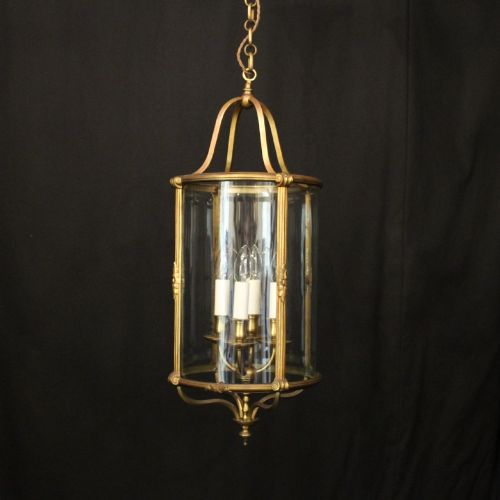
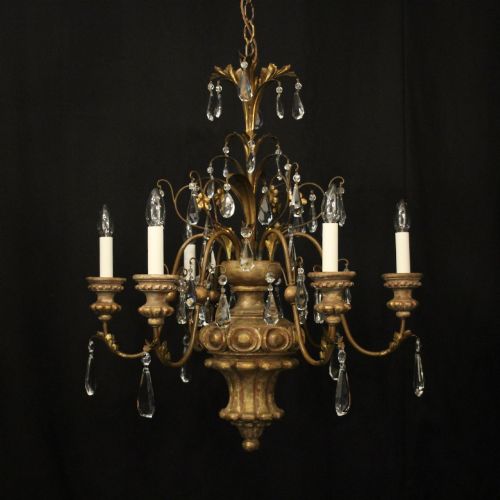
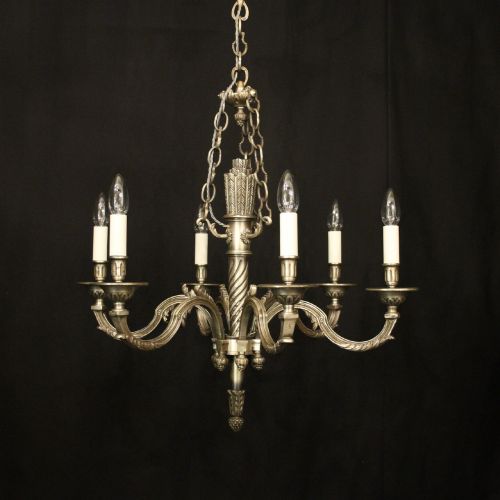
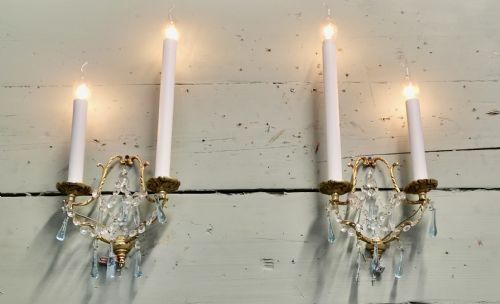
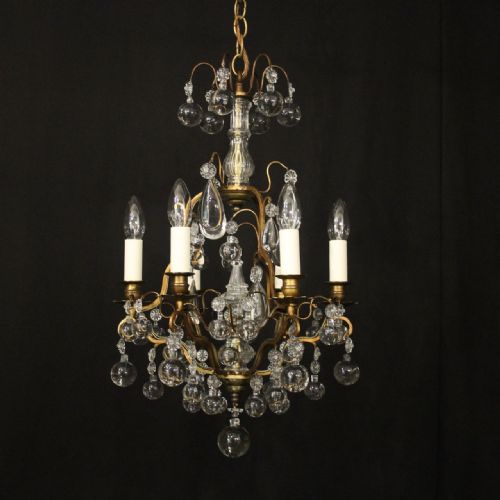
Beyond the standard ceiling-hung chandeliers, related wall-mounted lighting options such as wall sconces and hanging lanterns appear frequently within these designs. Styles lean heavily towards French traditions, including Rococo, Louis XV, Neoclassical, and Baroque revivals, alongside occasional English and Italian Florentine interpretations. Buyers find both dark bronze finishes and richly gilded surfaces, frequently accented by cut glass or crystal drops.
Materials and Construction
The primary structural material in these pieces is cast bronze, which workshops often finished with layers of gold leaf or gilding to create gilt bronze and gilt brass variations. Metal arms extend outward from a central hub or stem, carrying drip pans and candle sleeves designed to support the weight of the fixture. Many examples incorporate glass and crystal components, hanging cut crystal prisms, drops, or coloured fruit ornaments from the bronze branches.
Craftsmen utilised traditional metal casting and chasing techniques to produce ornate floral motifs, scrolling acanthus leaves, and symmetrical structural elements. Surface finishes range from polished dark bronze to silvered gilt bronze, reflecting the decorative preferences of the nineteenth century and the Edwardian era.
Materials recorded across the inventory include cast bronze, gilt brass, cut glass, and crystal accents.
Assessing Quality and Execution
Quality in these lighting fixtures rests on the crispness of the bronze casting and the depth of the chasing work on the arms and central body. Finer examples display sharp, well-defined surface ornamentation where botanical and scroll motifs retain intricate detail rather than appearing softened or smoothed out. The weight of the bronze and the rigidity of the multi-armed assembly also indicate superior construction.
The integration of secondary materials further separates standard production from exceptional pieces. Higher-grade chandeliers utilise heavy cut crystal or glass elements that catch the light cleanly, mounted securely to robust metal frames with traditional pins or wire connections rather than modern adhesives.
G.E.C
The Bronze Candle Arm Chandelier Glossary
- Bronze
- An alloy consisting primarily of copper, traditionally used to cast durable and ornate chandelier frames. It accepts patination and gilding exceptionally well.
- Gilt Bronze
- Bronze metal that has been coated with a thin layer of gold leaf or gold paint. This finish creates a bright, reflective surface characteristic of formal period rooms.
- Chandelier
- A branched, suspended lighting fixture designed to hold multiple light sources. Period versions typically adapt candle arms for electrical wiring.
- Rococo
- An ornate artistic style characterised by asymmetrical curves, scrollwork, and naturalistic plant motifs. It heavily influences many nineteenth-century French lighting designs.
- Crystal
- High-lead glass cut into precise facets to refract light. These are suspended from chandelier arms to enhance illumination.
Bronze Candle Arm Chandelier: Frequently Asked Questions
How do I clean a bronze candle arm chandelier?
Dust the metal and crystal components gently using a soft, dry feather duster or microfiber cloth on a regular basis. Avoid harsh chemical cleaners or abrasive polishes that can strip the historic gilding or original bronze patina from the surface.
For crystal drops that require deeper cleaning, remove them individually and wash them in lukewarm water with mild soap. Ensure every component dries completely before reattaching it to the fixture.
Can these antique chandeliers be rewired for modern ceilings?
Most surviving antique lighting fixtures undergo rewiring to meet modern electrical safety standards and local building codes. Professional electricians can safely thread new internal wiring through the hollow bronze arms without altering the exterior appearance.
It remains important to check the weight capacity of your ceiling junction box before installation. Large multi-armed bronze fixtures require proper structural support independent of standard electrical boxes.
What is the difference between bronze and brass on these fixtures?
Bronze is a heavier, copper-rich alloy that develops a deep, stable tone over time and accepts traditional gilding securely. It forms the primary structural material for higher-end nineteenth-century French lighting.
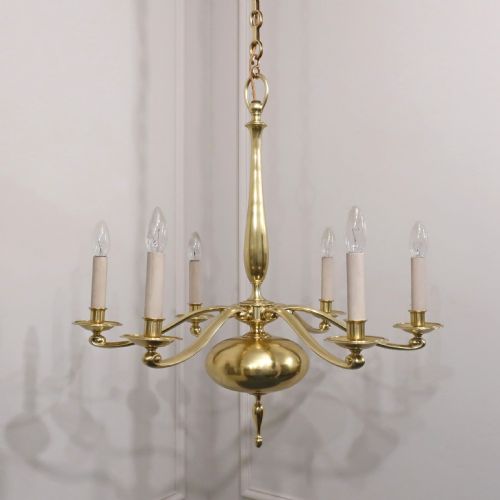
Brass contains more zinc and tends to have a brighter, yellower natural metallic tone. Makers during the Edwardian period and later frequently utilised brass as a cost-effective alternative to cast bronze.
How do I identify the period of a chandelier?
Dating relies on stylistic clues such as the specific revival movement, casting techniques, and fastener types used in the construction. Pieces from the nineteenth century often show heavier sand-cast components and hand-chased details.
Later pieces from the early twentieth century or 1930s may incorporate simpler geometric elements or transitional Art Deco influences alongside traditional cast bronze arms.