





Bronze Bust on Plinth
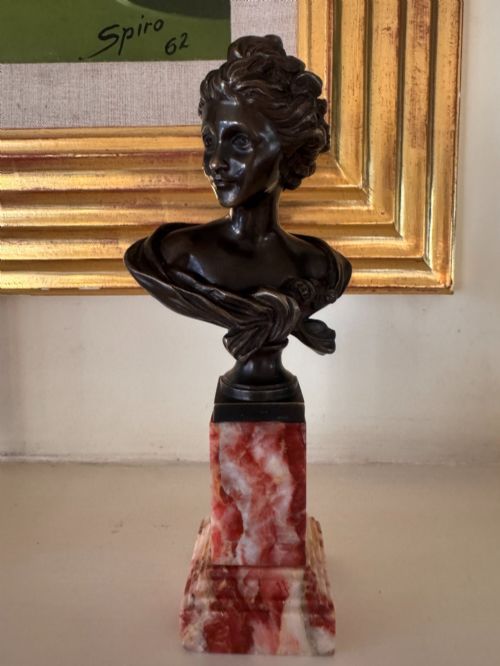
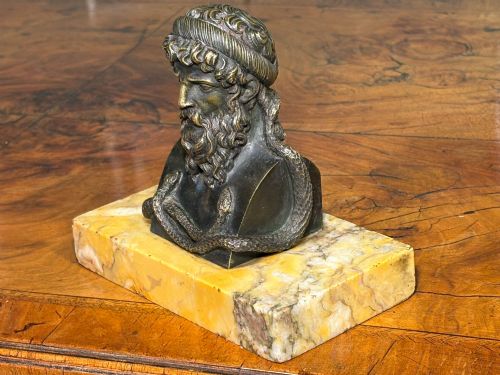
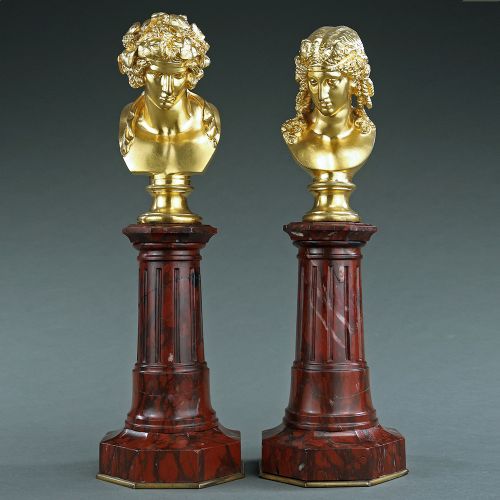
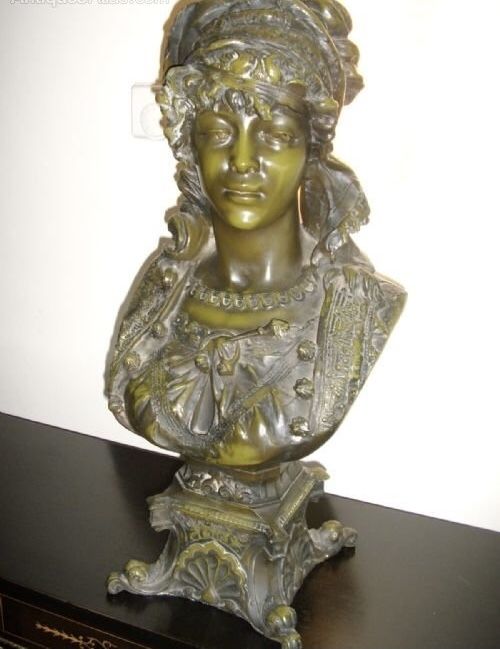
These bronze bust on plinth pieces bring classical presence and historical weight into a room.
Bronze Bust on Plinth
A bronze bust on plinth is a sculptural portrait mounted upon a supporting column, pedestal or base, designed to elevate the head and shoulders for display. You will find examples here spanning the nineteenth century through to the mid-twentieth century, including works reflecting neoclassical, Art Nouveau, and Egyptian Revival styles.
The subjects range from historical figures and classical philosophers such as Wolfgang Amadeus Mozart, William Shakespeare, Antinous, Dionysus, and Louis XIV to idealized female models and mythological deities like Apollo and Cleopatra. These sculptures vary in scale from tabletop portraiture to monumental works paired with tall marble, onyx or mahogany columns.
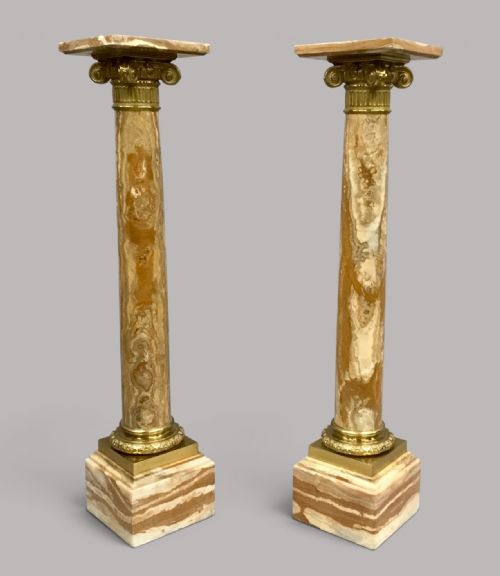
The plinths and stands often form an integral part of the composition, utilising contrasting materials such as gilt bronze, ormolu collars, and black marble bases to enhance the visual impact of the cast metal above.
How they were made
The figures are predominantly cast in bronze, gilt bronze, or ormolu, alongside alternative metalwork such as spelter for specific Art Nouveau models. Foundries utilised traditional casting methods to capture fine facial expressions, hair detailing, and drapery folds.
The supporting columns and stands combine natural stones like marble and onyx with applied metal mounts, incorporating polished timber elements such as walnut and mahogany. Ormolu mounts and collars are frequently fitted to stone columns to accent the architectural form of the plinth.
Bronze Bust on Plinth Retail Price Guide 2026
Typical asking prices for bronze bust on plinth among the pieces listed under this phrase on Sellingantiques today, from the lower quarter to the upper quarter. They describe what is for sale here now, not the wider market.
Listings feature nineteen-century and Edwardian pieces, incorporating materials such as bronze, spelter, marble, onyx, and mahogany.
What varies in quality
The refinement of the metal casting and the crispness of the chisel work define the upper tier of these sculptures. Finer pieces display subtle facial modelling and clean patination, whereas lesser examples show softer surface definition and simpler finishing.
The selection and combination of materials also determine the distinction of the piece, particularly where dense marbles, rich onyx, and fire-gilt ormolu mounts are harmoniously integrated rather than cast or assembled in basic formats.
Eugen Bormel·Henry Wissen Senior
The Bronze Bust on Plinth Glossary
- Ormolu
- Gilt bronze, typically referring to finely chased and gilded metal mounts applied to furniture, bases, and pedestals. This decorative technique was widely employed in French furniture and object design.
- Spelter
- A zinc alloy used as a less costly alternative to bronze, frequently painted or patinated to simulate heavier metal. It appears commonly in decorative nineteenth-century figures.
- Neoclassical
- A style drawing inspiration from the classical art and culture of ancient Greece and Rome. It emphasises symmetry, proportion, and classical subjects.
- Grand Tour
- Cultural travel undertaken by wealthy young Europeans in the eighteenth and nineteenth centuries to collect classical antiquities and small-scale bronze sculptures. These journeys inspired many of the classical busts found today.
- Egyptian Revival
- An architectural and decorative style incorporating motifs from ancient Egypt, such as pharaohs, sphinxes, and figures like Cleopatra. It gained particular popularity during the nineteenth and twentieth centuries.
Bronze Bust on Plinth: Frequently Asked Questions
What is a bronze bust on plinth?
A bronze bust on plinth combines a cast metal portrait of a historical or classical figure with a dedicated base, column, or pedestal for elevation.
These pieces function as sculptural focal points in an interior, designed to draw the eye upward and anchor a room with classical dignity.
How do I style a pedestal bust?
These sculptures suit hallways, libraries, and principal living spaces where they can be viewed from multiple angles against a neutral wall.
Tall marble or onyx columns work best freestanding on solid floors, while smaller mounted busts sit comfortably on heavy wooden furniture.
How do I identify the period?
Dating relies on stylistic clues, such as the decorative motifs of the ormolu mounts, the choice of marble, and the casting characteristics of the metal.
Nineteenth-century pieces often reflect revival styles like Louis XVI or Neoclassical, while later twentieth-century examples introduce modernist proportions.
Are these pieces signed?
Some sculptures carry foundry marks, artist signatures, or stamps directly into the bronze or metal surface.
Signatures help attribute works to specific sculptors and workshops, though many period decorative pieces remain unsigned.