






Bronze Bracket Clock
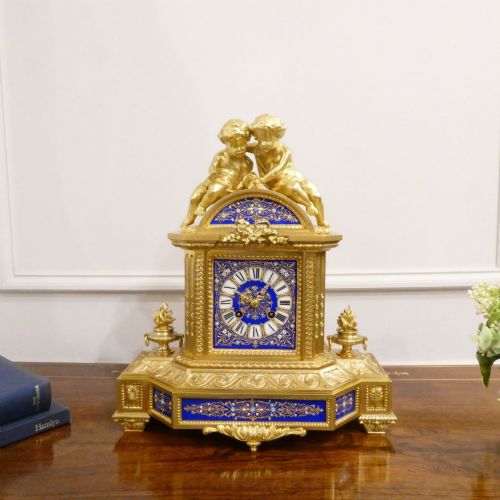
These pieces of bronze bracket clock history bring heavy cast metal and rich gilt to a room.
Bronze Bracket Clock
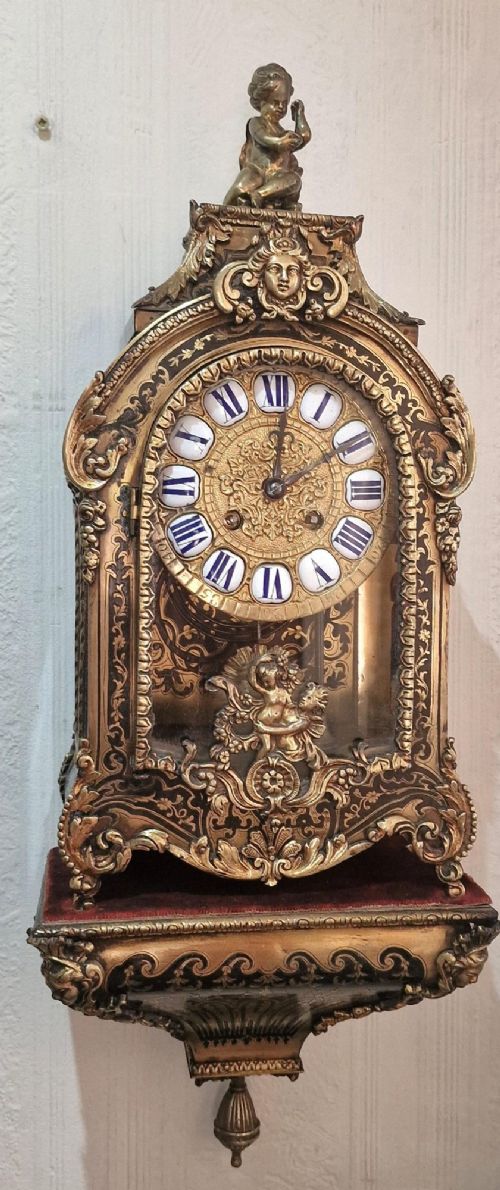
A bronze bracket clock sits on a dedicated wall bracket or rests upon a heavy mantel, combining architectural presence with precision timekeeping. You find examples spanning the nineteenth century, including Victorian interpretations and earlier Regency pieces.
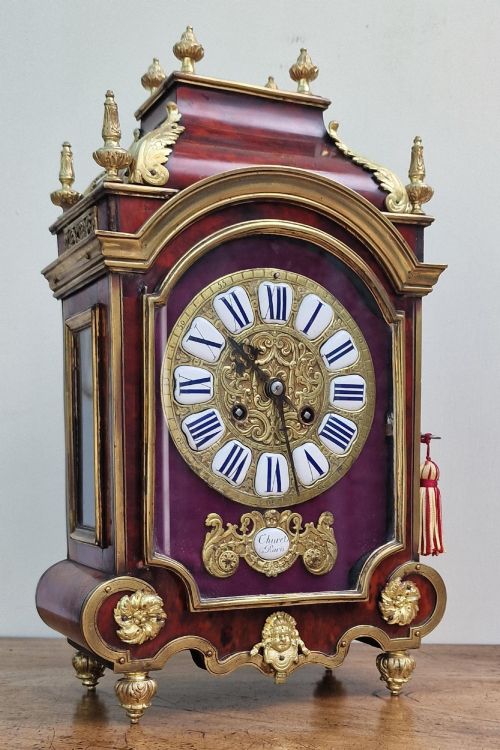
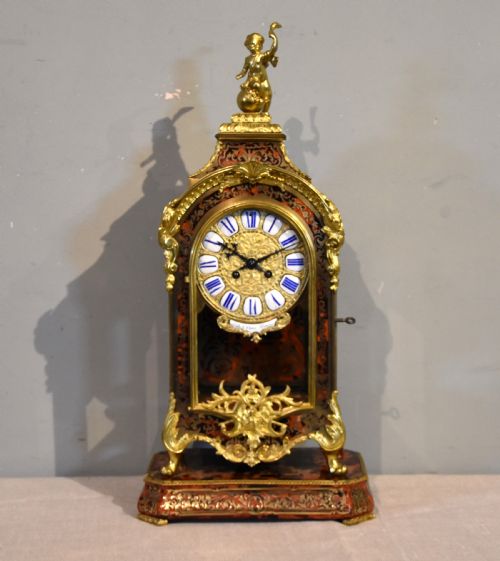
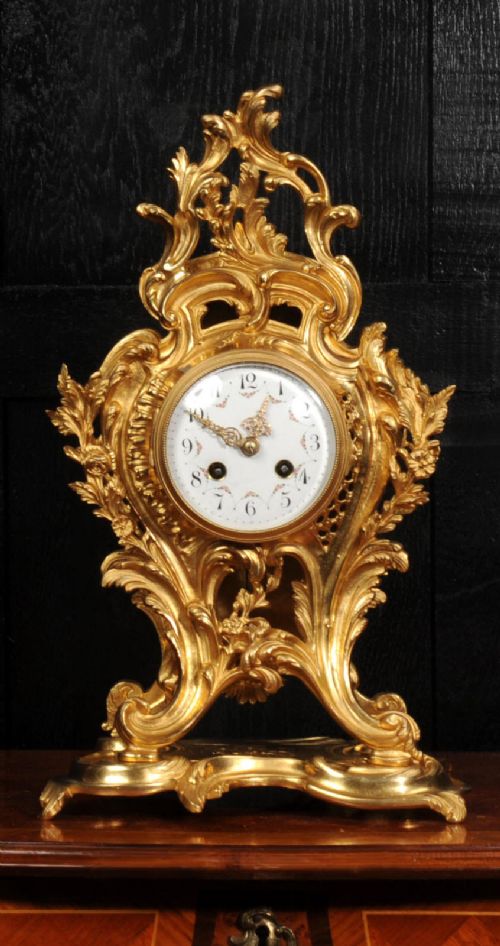
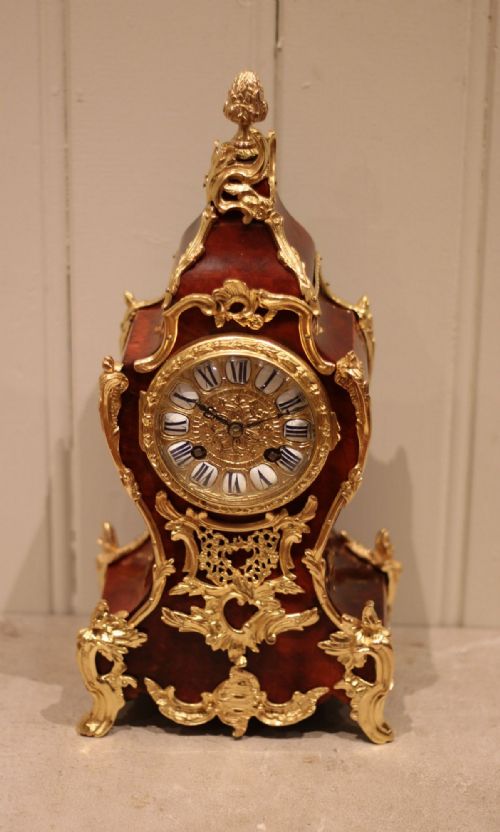
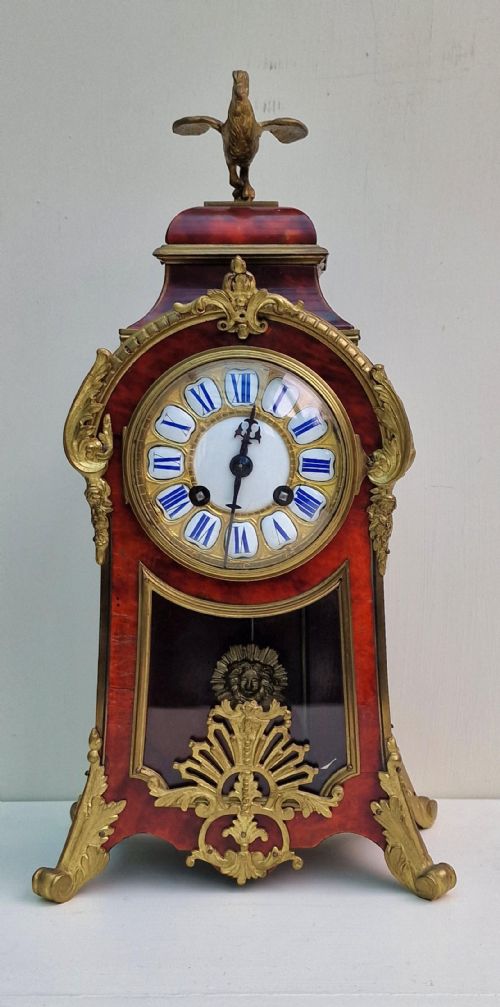
The form stretches from compact table clocks to massive four-glass designs and tall tortoiseshell Boulle cases. Many pieces follow French Rococo Revival or Louis XIV styles, featuring elaborate cast bronze and gilt ormolu mounts.
Materials and construction
Makers utilised cast bronze, brass, and gilt ormolu, frequently mounting them over wooden carcases inlaid with tortoiseshell in the Boulle technique. Enamel dials and glass side panels protect the intricate mechanical movements housed within.
Movements range from standard eight-day French mechanisms to twin fusee systems built for precise regulation. Artisans applied fire-gilding and hand-chasing to the metal surfaces to create deep surface texture and contrast.
Bronze Bracket Clock Retail Price Guide 2026
Typical asking prices for bronze bracket clock among the pieces listed under this phrase on Sellingantiques today, from the lower quarter to the upper quarter. They describe what is for sale here now, not the wider market.
Listings feature periods spanning from the eighteenth-century Regency era through the Victorian period and into the early twentieth century.
Differences in quality
Quality rests in the crispness of the bronze casting and the depth of the hand-chasing on the ormolu mounts. Finer pieces display sharp relief work rather than soft, mass-produced surface details.
The sophistication of the internal movement dictates grade, with twin fusee or chiming escapements representing higher manufacturing standards. Original matching wall brackets and intact tortoiseshell inlay further elevate the standing of a piece.
Thuret·Henri Marc·Leon Message·Jollet et Cie·William Payne·Samuel Marti·Lenzkirch·Payne and Co·James Moore·Le Roy and Fils·Japy Freres
The Bronze Bracket Clock Glossary
- Boulle
- A method of marquetry using brass and tortoiseshell inlaid in intricate floral or geometric patterns. This decorative technique appears frequently on nineteenth-century French cases.
- Ormolu
- Gilded bronze produced by applying a mercury and gold amalgam to a bronze base and heating it. It yields a rich golden finish characteristic of revivalist clocks.
- Fusee
- A conical pulley used in clock movements to maintain even driving force as the mainspring unwinds. This mechanism improves timekeeping accuracy across the power reserve.
- Enamel
- Vitreous material fused to a metal dial face through high-temperature firing. It provides a durable, glossy surface for painted numerals and chapter rings.
Bronze Bracket Clock: Frequently Asked Questions
What is a bronze bracket clock?
A bronze bracket clock is a heavy mechanical timepiece housed in a cast metal case, often accompanied by a matching wall shelf. These objects combine structural joinery with ornate metalwork.
They function as both functional timekeepers and decorative centrepieces, drawing on revival styles from Louis XIV to Victorian aesthetics.
How do I wind the movement?
Winding requires a dedicated key inserted into the dial winding holes to tension the mainspring barrels. Care must be taken not to over-wind the mechanism.
Most pieces utilise an eight-day movement requiring weekly attention, while fusee clocks may have distinct winding requirements.
Where should I place it?
These clocks demand a sturdy surface or a secure wall bracket capable of supporting considerable bronze and glass weight. Level placement ensures the pendulum beats evenly.
Keep them away from direct sunlight and damp environments to protect the delicate enamel dials and tortoiseshell surfaces.
How do I identify the period?
Dating relies on stylistic clues like Rococo Revival curves, Louis XIV symmetry, and the specific composition of the bronze mounts. Maker signatures on the dial or movement backplate offer precise chronological markers.
Materials such as tortoiseshell inlay and four-glass brass framing also point towards nineteenth-century French production.