


Bronze Bird Art
Bronze bird art brings together winged subjects and metal casting across the nineteenth and twentieth centuries.
Bronze Bird Art
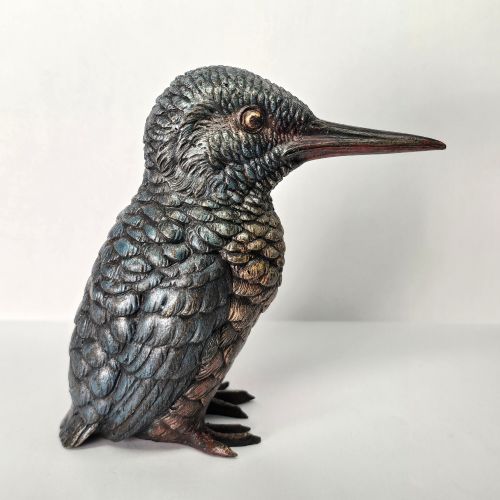
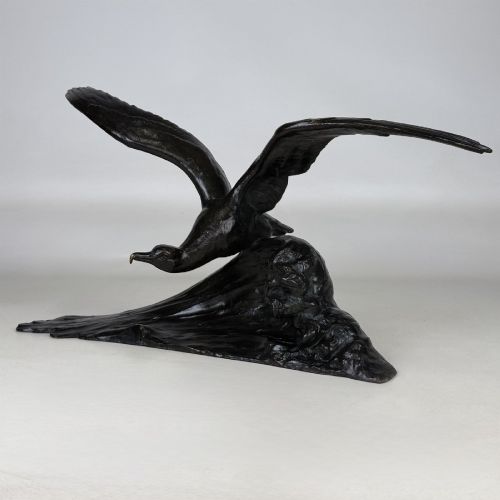
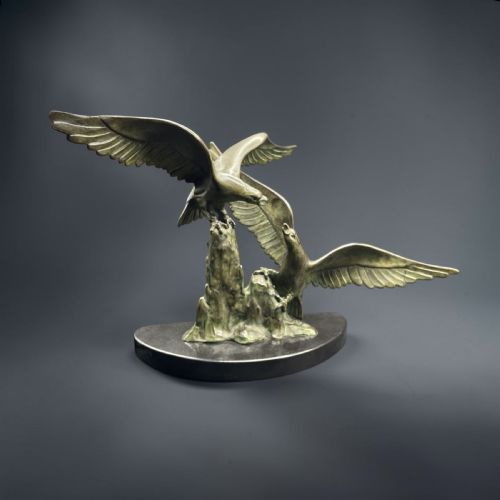
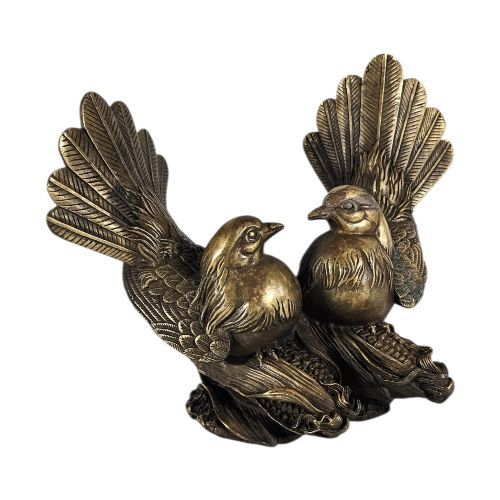
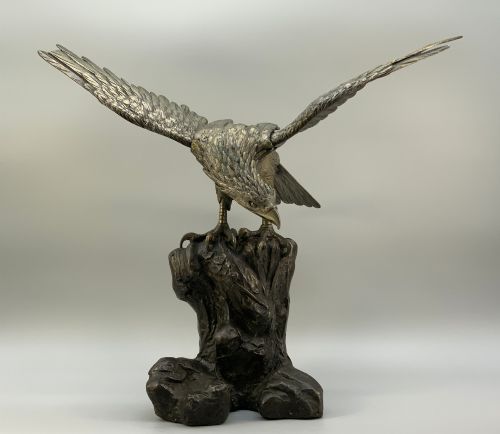
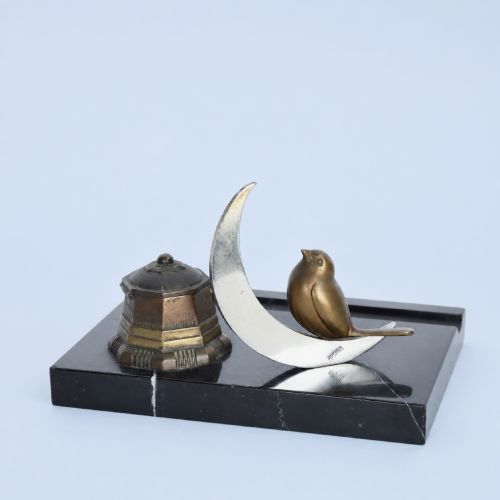
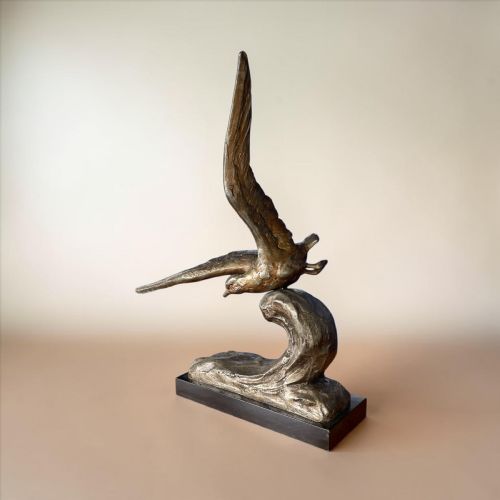
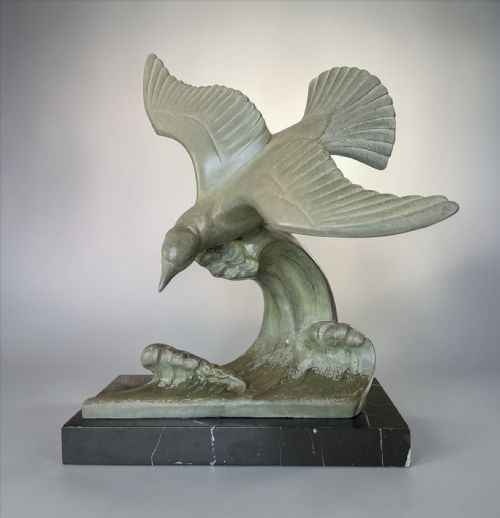
Bronze bird art encompasses sculptures, vases, mantel clocks, and desk accessories featuring avian subjects across periods from the nineteenth century through the Art Deco era.
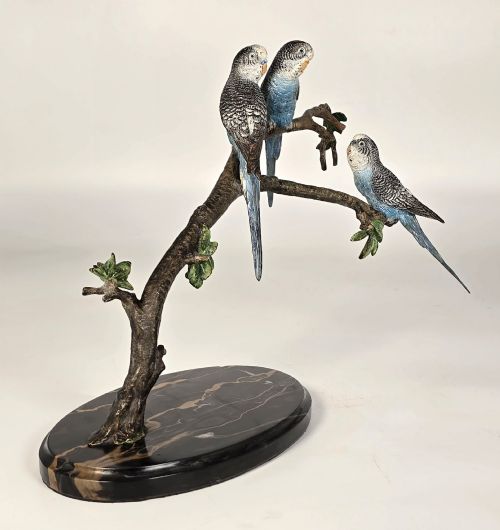
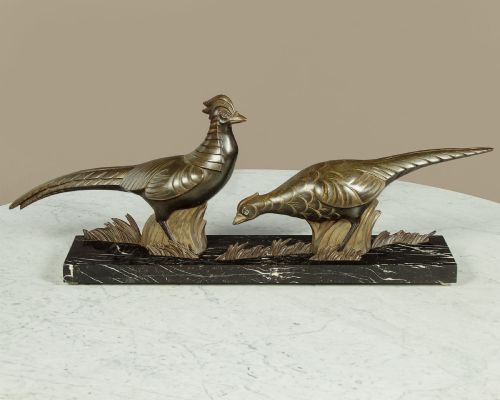
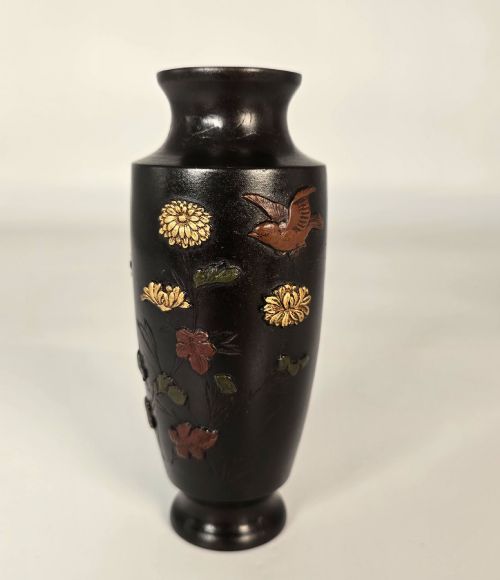
Japanese Meiji period works, French Art Deco sculptures, and Austrian cold-painted studies form the core of these pieces.
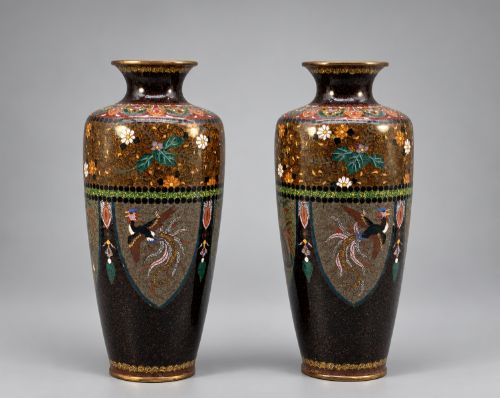
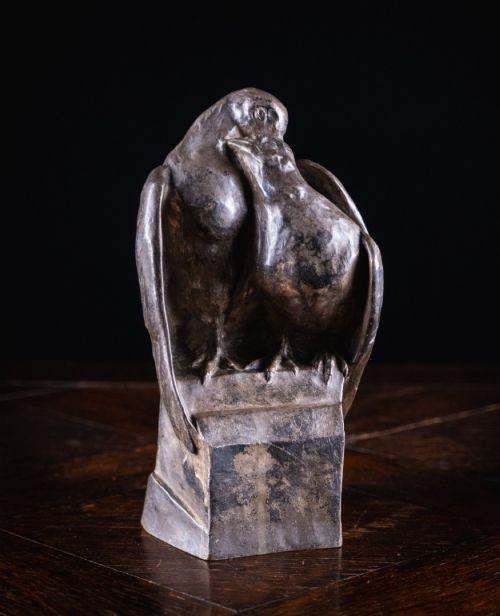
The selection ranges from patinated bronze eagles and pigeons to cloisonné enamel chargers and vases decorated with birds.
How they were made
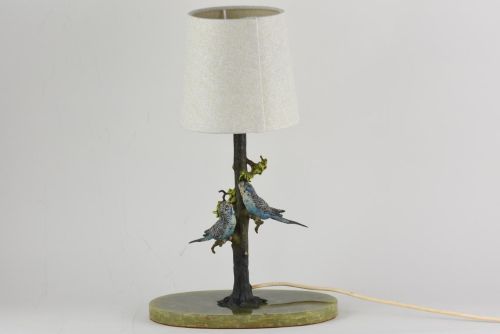
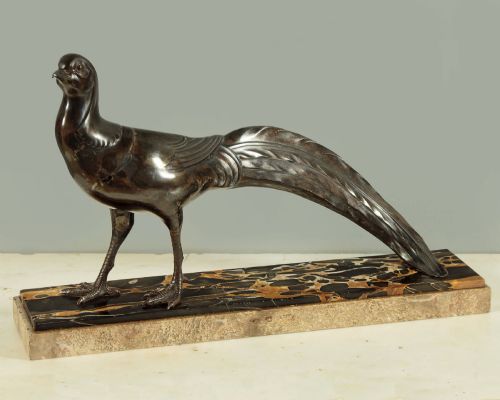
Makers utilised bronze, brass, and spelter, frequently mounting figures on marble or onyx plinths.
Cloisonné enamel, glass, and copper added colour and detail to Japanese and European pieces.
Cold-painting techniques applied pigment directly to metal surfaces in works such as budgerigar studies.
Bronze Bird Art Retail Price Guide 2026
Typical asking prices for bronze bird art among the pieces listed under this phrase on Sellingantiques today, from the lower quarter to the upper quarter. They describe what is for sale here now, not the wider market.
Materials in the listings include bronze, marble, brass, spelter, onyx, glass, enamel, and copper.
What varies in quality
The refinement of the casting and the crispness of chisel work distinguish superior sculptures from simpler productions.
Integration between the bird figure and its base, whether marble, onyx, or metal, marks the standard of construction.
Frederique Cederlund Ozanne·Zoldan Kovats·Maurice Bouval·Antoine Bofill·Auguste Moreau·Paul Joris
The Bronze Bird Art Glossary
- Patinated bronze
- Bronze treated with chemicals to produce a specific surface colour or finish.
- Cold-painted
- Metal sculpture painted with cold paint rather than fired in a kiln.
- Cloisonné
- Enamel work where wires form compartments on a metal base.
- Okimono
- Japanese decorative object intended for display on a shelf or in a tokonoma.
- Garniture clock
- A clock accompanied by matching decorative side vases or urns.
Bronze Bird Art: Frequently Asked Questions
What periods do these pieces date from?
The pieces span from the late nineteenth century through the Art Deco period of the 1930s, alongside Japanese Meiji period works.
Earlier examples often feature patinated bronze or cloisonné, while later twentieth-century items reflect Art Deco styling.
How are these bird figures mounted?
Many figures are mounted on black marble, onyx, or stone plinths to provide stability and visual contrast.
Others stand independently or form part of functional objects such as inkwells, bookends, and clocks.
What materials appear alongside bronze?
Makers combined bronze with marble, brass, spelter, onyx, glass, and enamel.
Japanese pieces frequently incorporate cloisonné enamel and mixed metals on vases and chargers.
Are these items purely decorative?
While many are standalone sculptures, a substantial number served functional purposes in period interiors.
Examples include desk tidies, bookends, night lights, inkwells, and mantel clocks.