


Bronze Bas Relief Panel
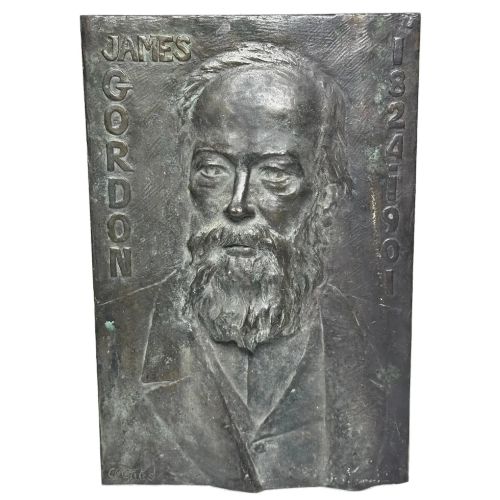
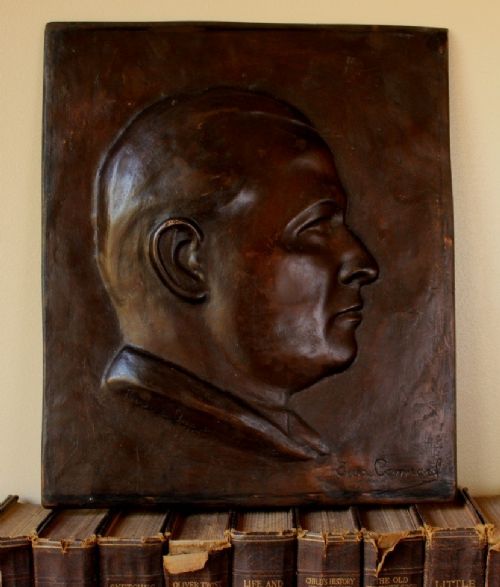
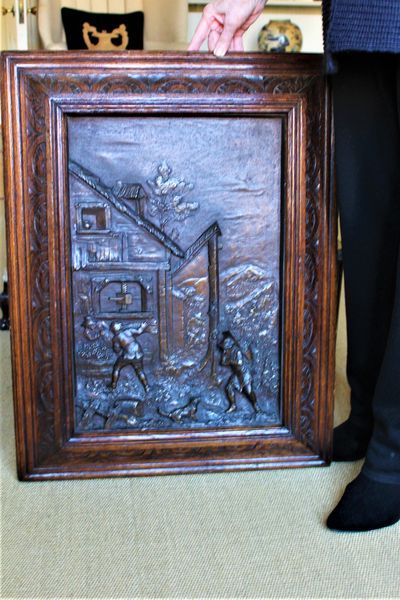
These bronze bas relief panel examples capture portraiture and architectural detail in metal, offering strong wall presence for any room.
Bronze Bas Relief Panel
A bronze bas relief panel brings sculptural depth to wall display, presenting figures and scenes raised slightly from a flat background. These works range from small portrait plaques to large architectural subjects.
The pieces met most often on this page date from the nineteenth century through the nineteen-twenties. Victorian and Edwardian examples predominate, alongside works from the art deco period.
Makers shaped these items as wall plaques and wall sculptures, frequently mounting them within timber frames of oak or mahogany. Subjects span from classical figures like Diana the huntress to specific historical portraits and European landmarks.
How they were made
Foundry work combined molten metal casting with careful hand finishing to achieve these low relief forms. Artisans utilised bronze, bronzed copper, and occasionally bronzed plaster to create the primary image.
Many panels incorporate applied finishes including gilt and dark patina to emphasise the modelling. Wooden mounts in oak and mahogany provide structural support and a contrasting border for the metalwork.
Materials recorded across the page include bronze, copper, oak, mahogany, plaster, and gilt.
What varies in quality
The quality of the secondary materials matters greatly, particularly the selection and joinery of the wooden surrounds. A well-preserved patina enhances the depth of the metal, whilst poor cleaning diminishes the surface character.
Alice Gates·Eugene Canneel
The Bronze Bas Relief Panel Glossary
- Bas relief
- A sculptural technique where the figures project only slightly from the background plane. This shallow depth creates a subtle play of light and shadow across the metal surface.
- Patina
- The surface coloration and sheen developed naturally over time or applied chemically by the maker. It protects the metal and highlights the fine details of the casting.
- Maquette
- A small preliminary model or sketch for a larger sculpture. These trial pieces offer direct insight into the artist's initial working process.
- Plaque
- A flat ornamental tablet of metal, wood, or plaster designed for wall mounting. They frequently commemorate a person, place, or historical event.
Bronze Bas Relief Panel: Frequently Asked Questions
How were bronze bas relief panels displayed?
These pieces were primarily designed for interior wall placement as decorative art or commemorative plaques. Many incorporate original wooden frames or backing panels intended for hanging.
Larger architectural subjects and portraits served as focal points in period libraries, halls, and studies. Their shallow projection allowed them to sit flush against wall surfaces.
What periods do these panels represent?
The selection spans from the nineteenth century through the early twentieth century. Victorian and Edwardian examples sit alongside later works from the nineteen-twenties.
Stylistic influences range from classical revival and neoclassical designs to art deco forms. This evolution reflects changing tastes in portraiture and interior ornament.
What materials are used besides bronze?
While solid bronze forms the primary medium for many pieces, makers also utilised bronzed copper and bronzed plaster. These alternative compositions achieved a similar metallic appearance.
Wooden elements frequently appear as mounting panels or frames, with oak and mahogany being common. Gilt highlights are sometimes added to accentuate specific details of the design.
How do I identify a signed panel?
Signatures by artists or makers are typically inscribed directly into the metal surface near the edge of the relief. Examining the corners and lower margins will often reveal these artisan marks.
Some pieces are further attributed through historical records or documentation associated with the workshop or foundry that produced the cast.