





Bronze Animalier Art
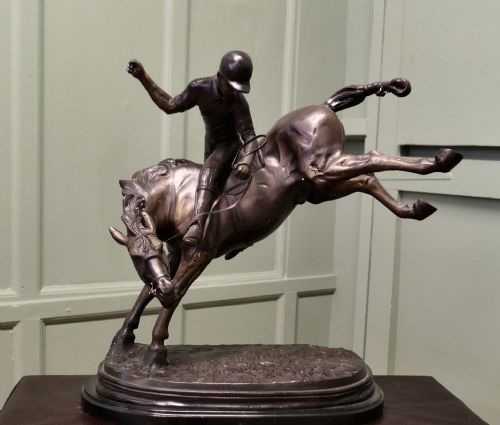
Bronze animalier art captures wild and domestic creatures with remarkable realism, bringing motion and character directly into a room.
Bronze Animalier Art
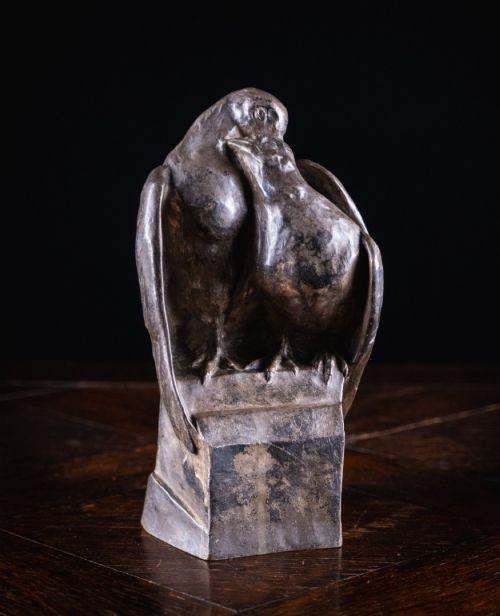
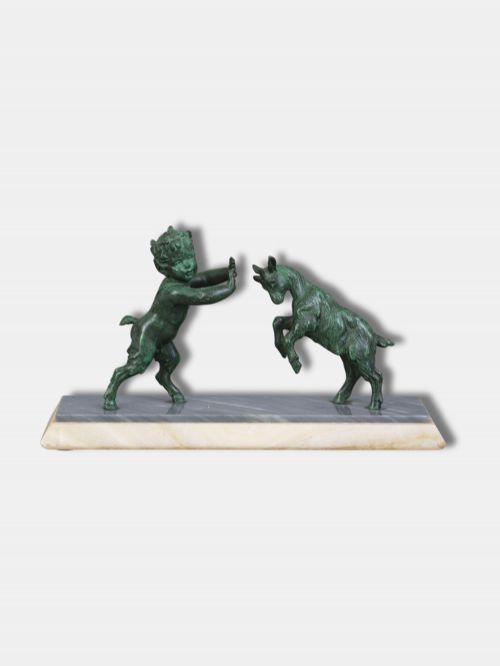
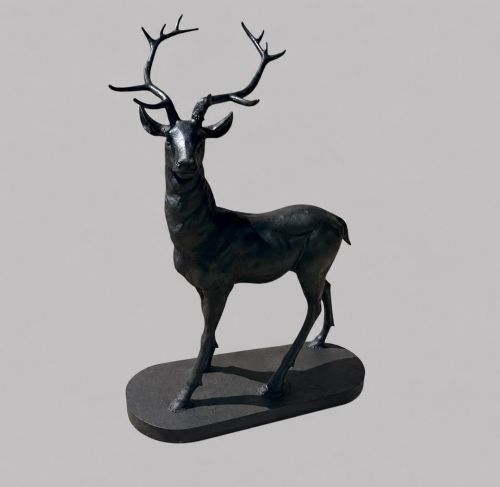
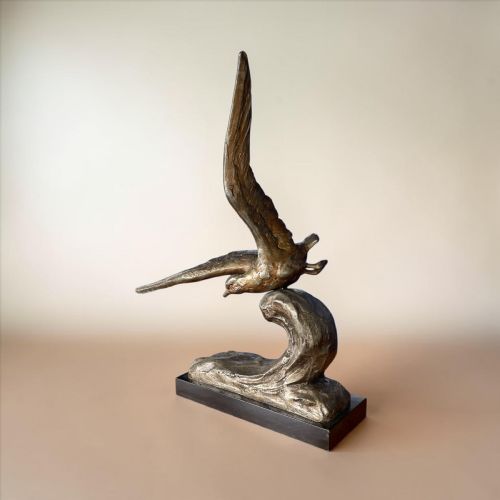
Bronze animalier art encompasses sculptures, bookends, inkwells, and statues depicting animals in naturalistic or stylised poses. These pieces range from nineteenth-century realism to bold Art Deco interpretations of big cats, hounds, and birds.
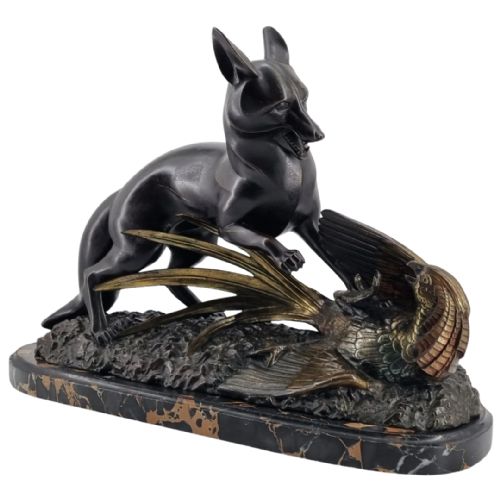
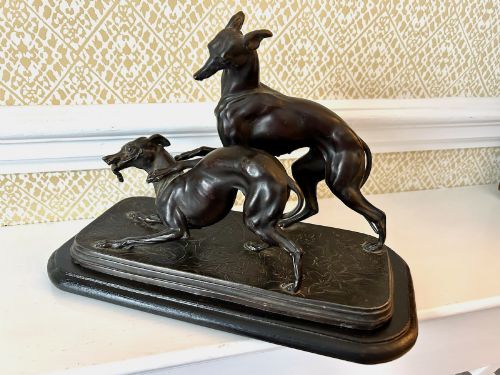
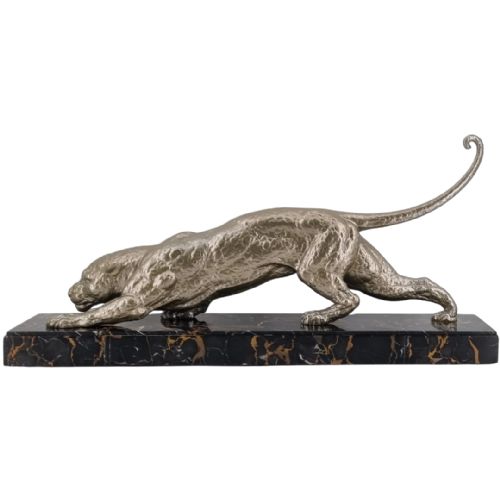
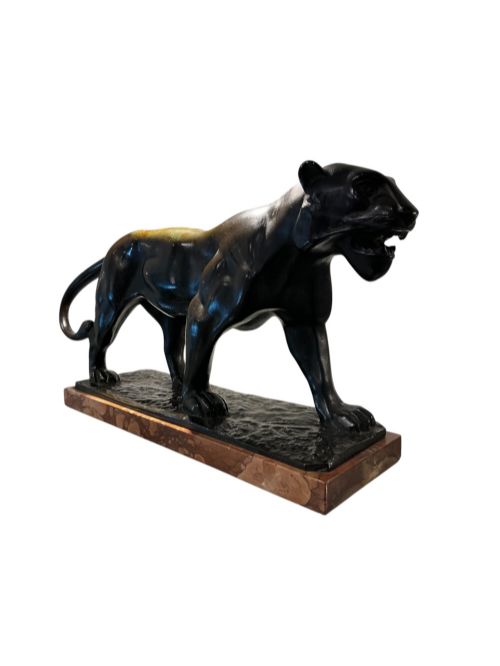
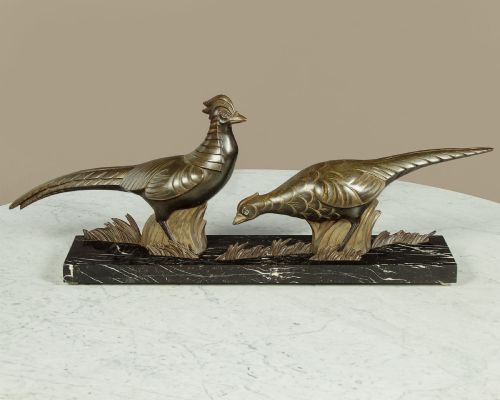
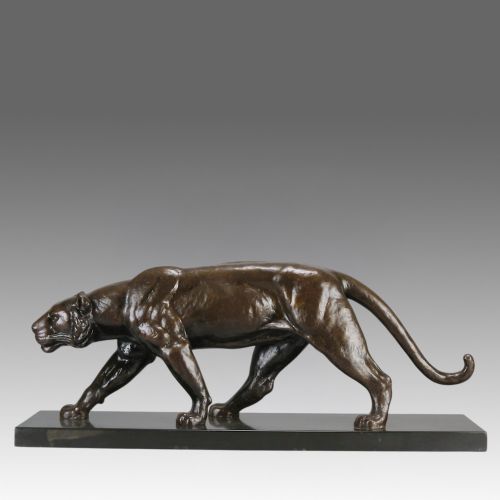
You are most likely to encounter twentieth-century figures featuring sleek panthers, hunting dogs, and golden pheasants. Many of these works hail from French workshops active through the nineteen-twenties and nineteen-thirties.
The objects extend beyond standalone sculptures to functional items such as marble-backed bookends and patinated metal inkwells. Subjects span from racing greyhounds and stags to pelicans and peacocks.
Materials and methods
The works rely heavily on traditional casting methods using metal, frequently mounted upon heavy bases of marble, onyx, or wood. Artists utilised standard foundry techniques to shape molten metal into complex anatomical forms.
Surfaces receive varied patination, ranging from deep dark patinated bronze to silvered finishes, gilded applications, and nickel highlights. Alternative base metals such as spelter appear frequently alongside genuine bronze.
Many sculptures incorporate contrasting materials, pairing metallic animal figures with veined marble plinths to provide stability and visual balance.
Bronze Animalier Art Retail Price Guide 2026
Typical asking prices for bronze animalier art among the pieces listed under this phrase on Sellingantiques today, from the lower quarter to the upper quarter. They describe what is for sale here now, not the wider market.
Listings feature works spanning from the nineteenth century through the Art Deco era, incorporating materials like marble, onyx, and silvered bronze.
Evaluating craftsmanship
Quality separates strict anatomical precision and fluid movement from rigid, generic casting. Superior pieces display crisp musculature, detailed feather or fur texture, and dynamic interaction between predator and prey.
The choice of base material influences the distinction between works, as solid bronze castings with nuanced patination differ significantly from lighter spelter figures finished with paint.
Foundry marks and legible artist signatures provide clear indications of origin and standard of production, distinguishing master editions from anonymous commercial outputs.
Lavroff·D. H. Chiparus·Emile Carlier·Alexandre Ouline·Luigi Secchi·Karl Hagenaur·Michel Decoux·Georges Gardet·Pierre Jules Mène
The Bronze Animalier Art Glossary
- Animalier
- A term describing art that depicts animals, particularly sculptures created during the nineteenth and twentieth centuries. It highlights an intense focus on anatomical accuracy and natural behaviour.
- Spelter
- A zinc alloy commonly utilised as a less expensive alternative to bronze for sculptural casting. It frequently serves as the base metal in twentieth-century decorative figures.
- Patination
- The chemical treatment or natural weathering applied to the surface of metal. This process alters the colour and tone of bronze to achieve specific aesthetic effects.
- Art Deco
- A design style spanning the nineteen-twenties and nineteen-thirties characterised by streamlined shapes and stylised geometry. Animal figures from this period often emphasise sleek lines and modern elegance.
- Foundry
- A workshop where metal is cast into sculptures using moulds. Foundry marks stamped onto pieces often identify the manufacturing house.
Bronze Animalier Art: Frequently Asked Questions
What is bronze animalier art?
Bronze animalier art refers to sculptural works dedicated to the realistic or stylised portrayal of animals. These pieces capture creatures in action, from hunting cats to resting birds.
Originating strongly in the nineteenth century, the genre evolved through the Art Deco period into sleek, modern interpretations cast in metal.
How do I clean bronze animalier art?
Dusting gently with a soft, dry cloth is usually sufficient to maintain the surface of a bronze sculpture. Avoid using abrasive cleaning agents or harsh chemicals that might strip the original patination.
Consult a specialist conservator if the metal requires deeper cleaning or restoration to preserve its historical finish.
Were these pieces used as bookends?
Many animalier sculptures from the twentieth century double as functional items, particularly heavy bookends mounted on marble bases. Makers designed pairs of hounds, elephants, or sea lions to hold volumes upright on desks.
Other functional variants include figural inkwells incorporating small animal figures into desktop accessories.
How do I distinguish bronze from spelter?
Bronze is a heavy copper alloy that develops a rich patination and rings with a resonant tone when tapped gently. Spelter is a softer, zinc-based metal that feels lighter and often shows grey metal beneath worn paint or plating.
Magnetic tests are inconclusive because neither metal is magnetic, so weight and surface texture remain the primary indicators.