
Bronze Animal Desk Sculpture
These bronze animal desk sculpture pieces bring naturalistic movement and substantial weight to a writing surface.
Bronze Animal Desk Sculpture
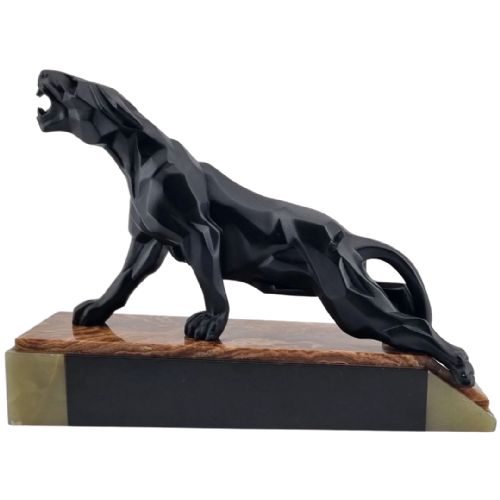
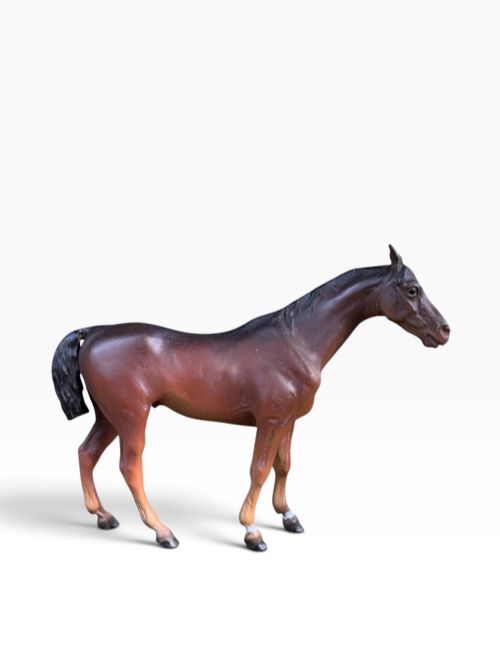
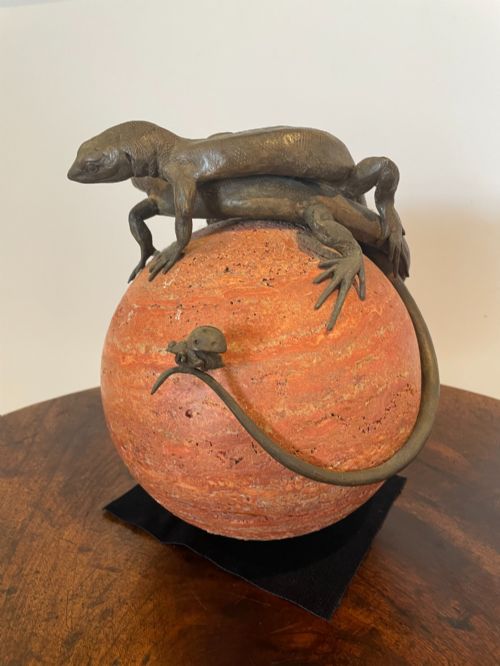
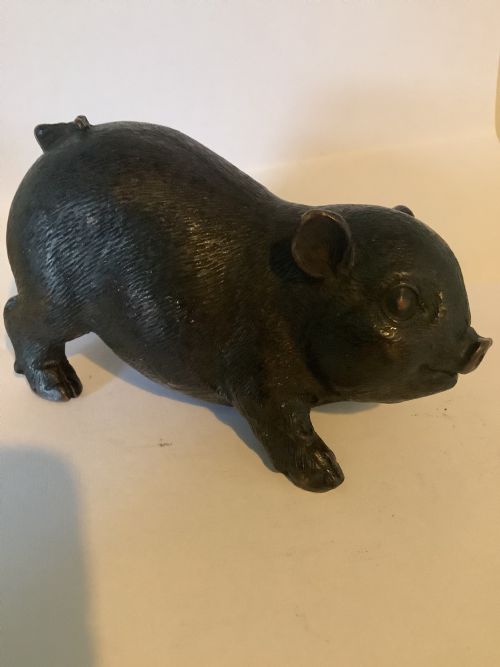
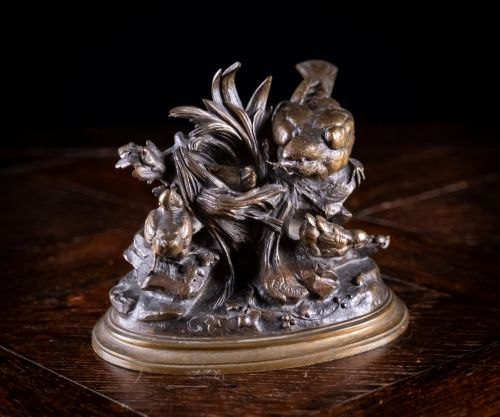
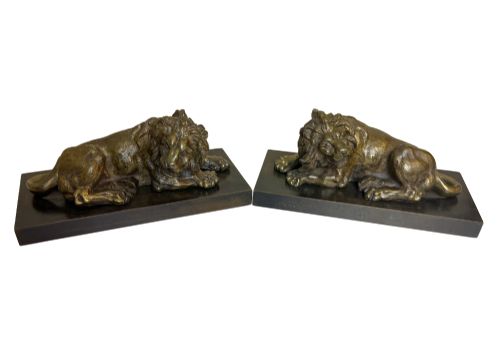
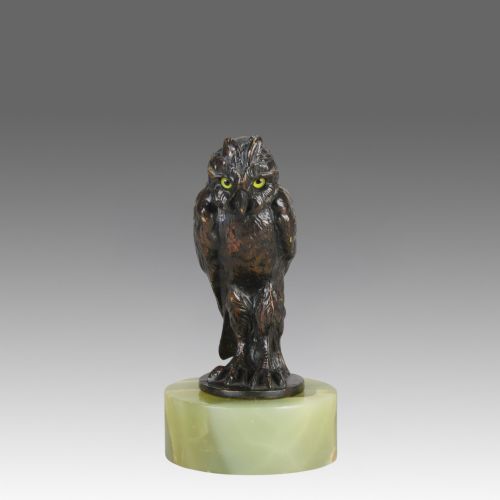
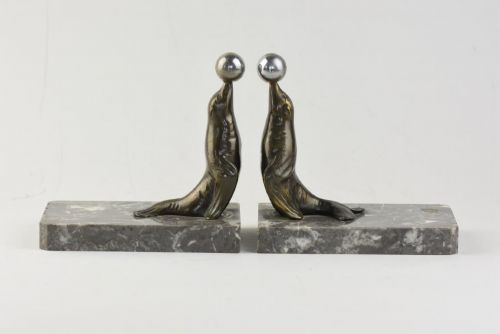
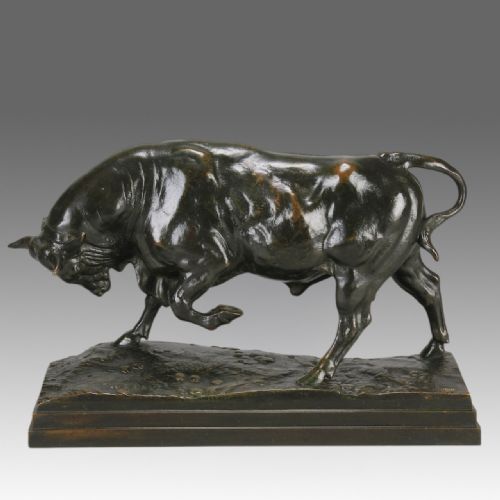
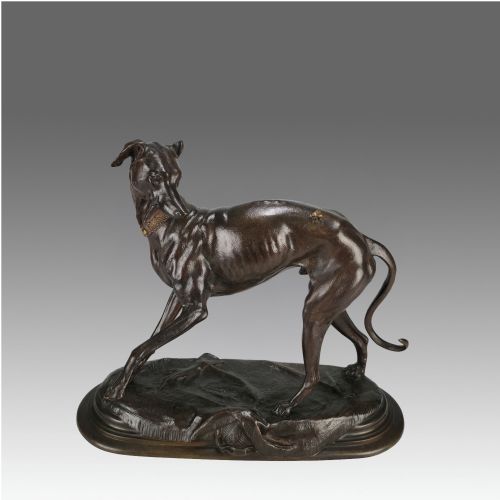
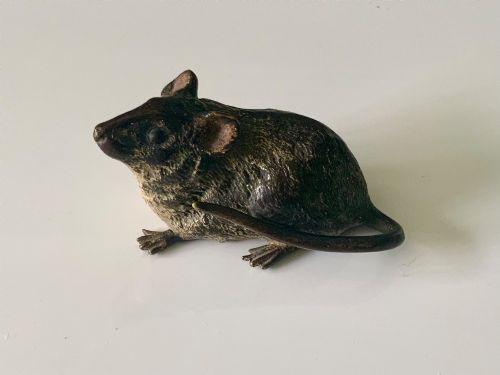
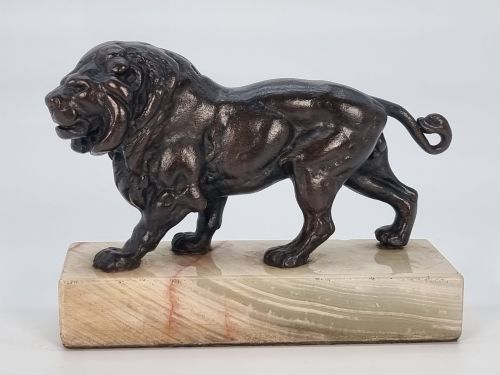
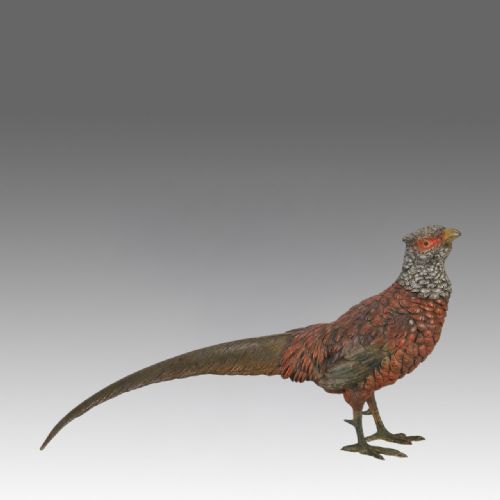
A bronze animal desk sculpture functions as a decorative accessory for a study or office, taking the form of small figures, bookends, or paperweights. The selection includes domestic dogs, wild predators, birds, and reptiles rendered in realistic or stylised postures.
Most examples originate from nineteenth-century French Animalier workshops or early twentieth-century Austrian foundries. Buyers encounter both standalone figures and pieces mounted on heavy stone bases designed for practical use on top of a desk.
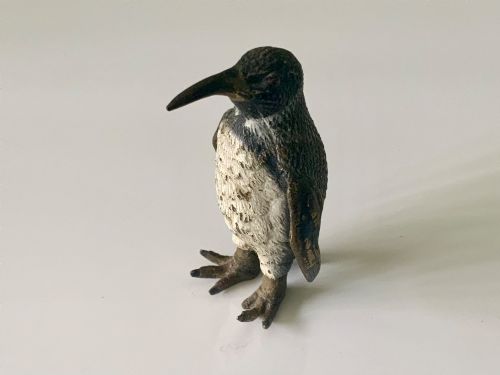
Makers utilised distinct regional approaches, ranging from the muscular tension of French foundry casts to the colourful surface detail of Vienna cold-painted items. These works translate the scale of monumental statuary down to intimate objects intended for close inspection.
Materials and casting methods
Foundries employed the lost-wax casting technique to capture fine anatomical details in bronze, followed by hand-chasing to refine the surface texture of fur, feathers, and skin. Many pieces received a chemical patination to produce varied shades of brown, green, or black.
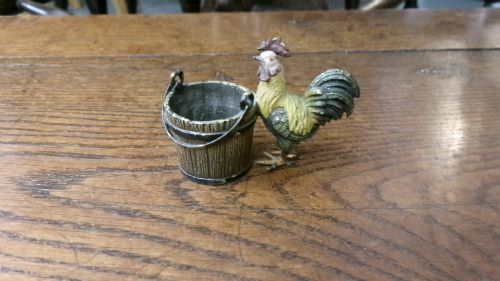
Austrian workshops introduced cold painting, applying polychrome pigments directly onto the unheated bronze surface to create brightly coloured figures of birds, mice, and dogs. Other makers combined cast metal with bases of marble, onyx, or olive wood to anchor the composition.
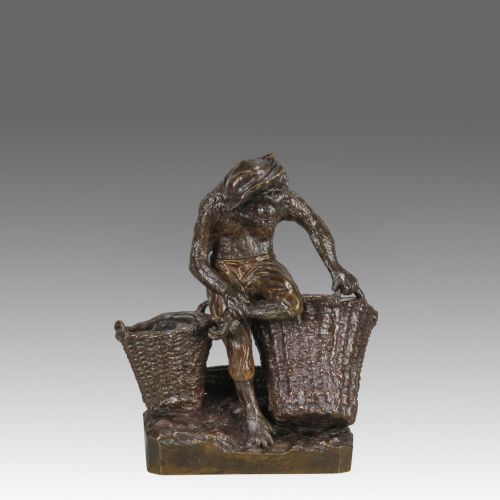
Several miniature desk figures depict animals engaged in human pursuits, including a mouse and a cockerel operating tiny buckets.
Assessing quality in the metal
The precision of the chasing work distinguishes superior casts from ordinary production, visible in the definition around the eyes, claws, and musculature. Sharp casting retains the intended vigour of the original model without blurring the fine lines of fur or plumage.
The integrity of the surface finish dictates overall desirability, whether through the preservation of the original cold-painted polychrome or the depth of a warm bronze patina. Base materials also contribute to the distinction, as dense stones like black marble and onyx provide a heavier, more balanced foundation than lesser woods or spelter substitutes.
Louis Emile Cana·Christophe Fratin·Antoine Louis Barye·Alfred Barye·Franz Bergman·Franz Gruber·C Omin·Isadore Bonheur·Clovis Masson·Edith Parsons
The Bronze Animal Desk Sculpture Glossary
- Animalier
- A nineteenth-century artistic movement focused on the realistic depiction of animals. Practitioners studied anatomy from life at menageries to inform their bronze sculptures.
- Cold-painted bronze
- A technique where oil paints were applied directly to a cold bronze casting rather than fired in a kiln. This method was widely used in Vienna workshops to render brightly coloured birds and small mammals.
- Patinated bronze
- Metal treated with chemical solutions to alter the surface colour and create a protective layer. Common finishes range from deep chocolate brown to verdigris green.
- Spelter
- A zinc alloy commonly utilised as a less expensive alternative to bronze during the nineteenth and early twentieth centuries. It often received a bronze-coloured finish to imitate the heavier metal.
- Grand Tour
- A traditional journey through Europe undertaken by upper-class scholars and collectors to acquire antiquities and souvenirs such as small bronzes.
Bronze Animal Desk Sculpture: Frequently Asked Questions
How do I clean a bronze animal sculpture?
Dust the surface gently with a soft, dry brush to prevent accumulation in the recessed details of the casting. Avoid using water, polishes, or chemical cleaners, which can strip the patination or damage cold-painted pigments.
Maintain a stable indoor environment away from direct heat sources and excessive moisture. Periodic light application of microcrystalline wax can help protect historical patinas from atmospheric wear.
What is the difference between bronze and spelter?
Bronze is a durable alloy of copper and tin that yields crisp details during casting and acquires a rich patina over time. Spelter is a softer, zinc-based metal that feels lighter and was often painted to simulate genuine bronze.
Closer inspection of the underside or areas of wear often reveals the greyish metal beneath a bronze finish on spelter pieces. True bronze objects maintain greater structural rigidity and heavier weight.
How can I date an animal desk sculpture?
Examine the mounting style, base materials, and foundry marks for clues regarding the period of manufacture. Nineteenth-century French pieces frequently feature cast signatures and dense marble plinths, whereas early twentieth-century Austrian works often display specific cold-painted techniques.
Stylistic shifts also provide indicators, moving from the naturalistic tension of mid-nineteenth-century Animalier studies to the geometric stylisation of Art Deco desk accessories.
Are these sculptures hollow or solid cast?
Most figural sculptures produced using the lost-wax method are cast hollow to conserve metal and reduce overall weight. This technique requires an inner core material that sometimes remains partially visible through apertures in the base.
Smaller desk accessories, miniature figures, and specific cold-painted items were occasionally cast as solid metal due to their diminutive scale. The weight relative to the size usually indicates the internal structure of the piece.