

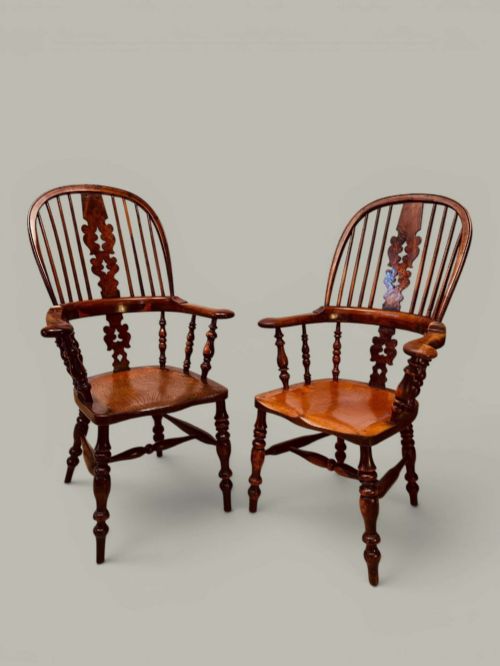
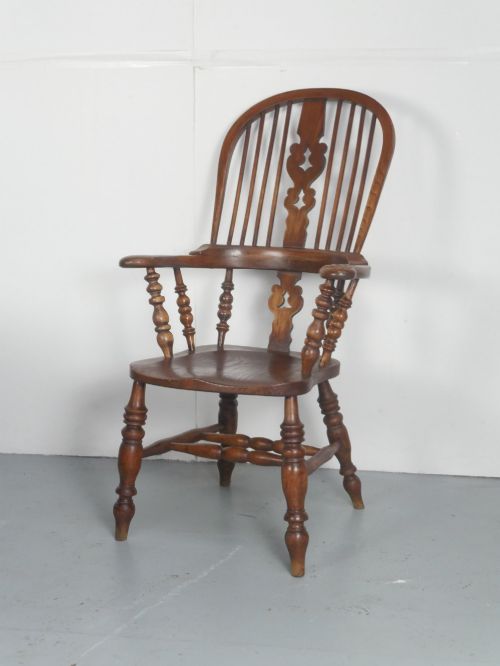
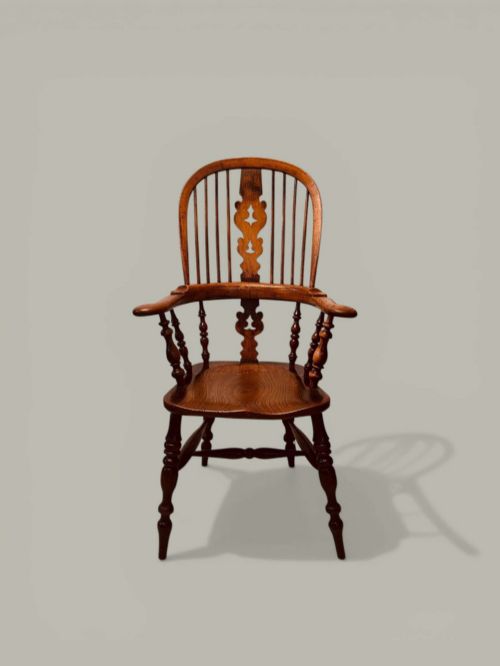
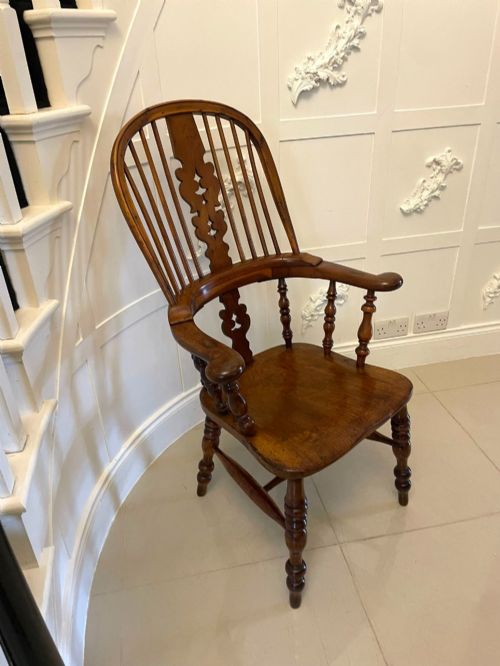


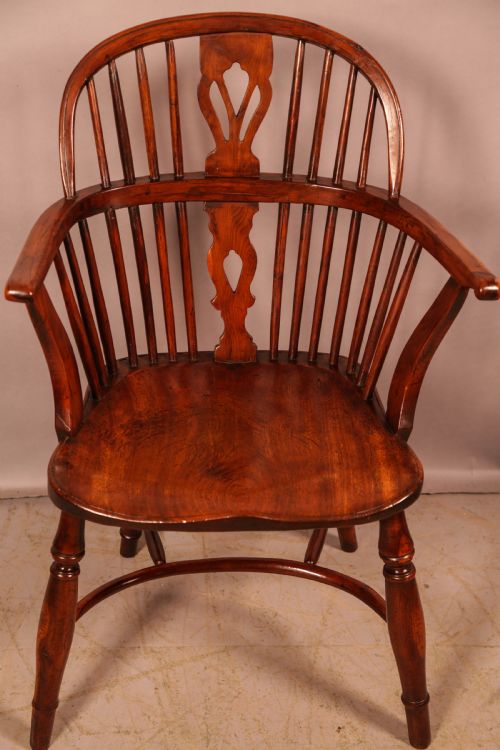


Broad Back Armchair
A broad back armchair offers generous proportions and solid construction, making it an essential seat for everyday use in any traditional room.
Broad Back Armchair
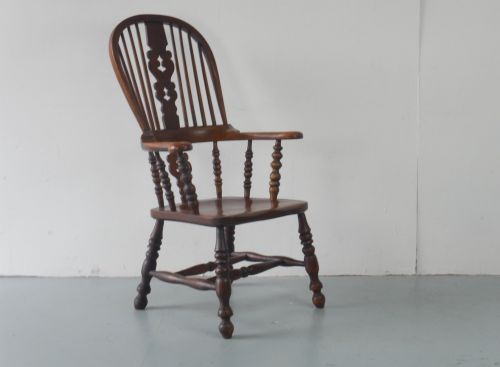
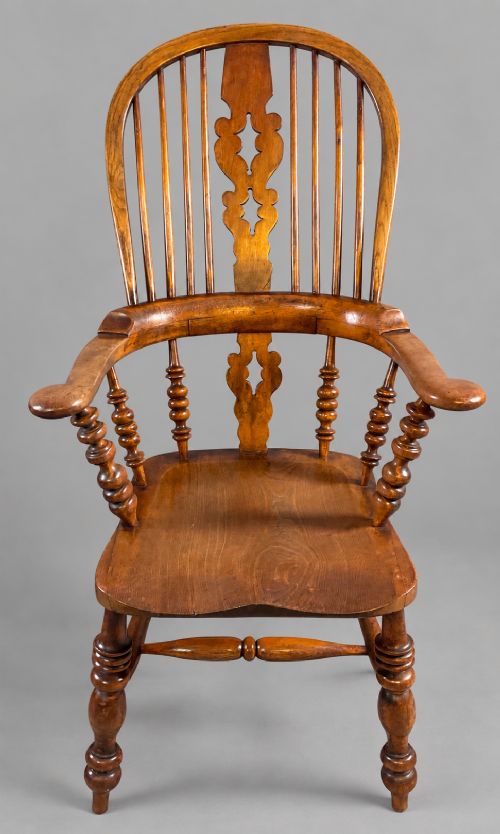
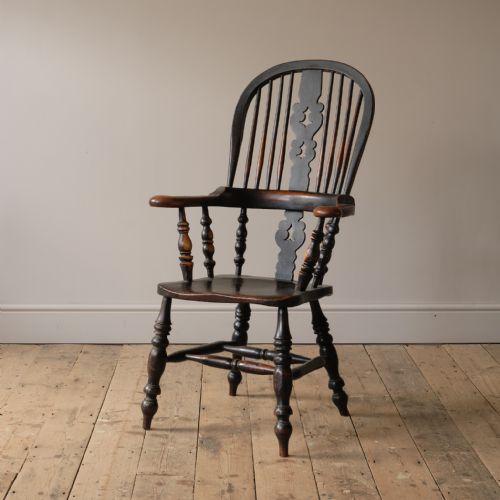
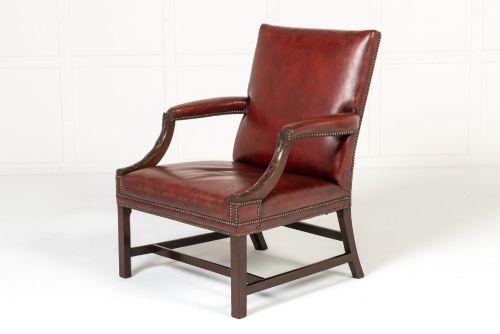
When you search for a broad back armchair, you encounter substantial seating options designed for comfort and durability. The selection spans robust Windsor chairs originating from rural workshops alongside formal mahogany Gainsborough chairs.
You are most likely to meet nineteenth-century vernacular Windsors featuring prominent wooden armrests integrated into the spindle framework. These examples combine local timbers like yew, ash, and elm to create resilient seating with distinctive character.
Alongside vernacular pieces, the listings include formal eighteenth-century and Victorian iterations influenced by Chippendale style. These mahogany frames often incorporate upholstered panels covered in fabric or leather for a refined appearance.
How they were made
Vernacular makers built Windsor chairs using a combination of turned legs fitted directly into solid elm seats, while the back assemblies relied on steam-bent ash or yew for strength. Carpenters shaped the broad armrests from single planks of timber to provide a stable resting surface.
Formal seating utilised dense mahogany joined through traditional mortise and tenon construction, frequently enhanced with carved details. Workshops added brass hardware for castors on specific models, whilst upholstery applied over webbing secured the padded sections.
Broad Back Armchair Retail Price Guide 2026
Typical asking prices for broad back armchair among the pieces listed under this phrase on Sellingantiques today, from the lower quarter to the upper quarter. They describe what is for sale here now, not the wider market.
The listings show broad back armchairs spanning from the eighteenth century through the Edwardian period, predominantly constructed in yew, elm, and mahogany.
What varies in quality
The distinction between standard examples and superior specimens rests on the selection and figuring of the timber used for the seat and arms. Elm seats displaying rich grain patterns paired with matching yew spindles indicate a more thoughtful construction.
Proportion and execution of carved or turned elements dictate the refinement of the piece. Well-balanced arm supports and carefully shaped crest rails reflect the skill of the original maker working in regional or urban workshops.
Allsop Worksop·Worksop Made
The Broad Back Armchair Glossary
- Windsor chair
- A wooden chair constructed with a solid timber seat into which the legs and back spindles are separately bored and wedged. This technique creates a sturdy form typical of English country furniture.
- Gainsborough chair
- A wide, upholstered armchair with open padded arms and short legs, developed during the mid-eighteenth century. These chairs usually feature mahogany frames and were designed for use at desks or in parlours.
- Broad arm
- An extended flat wooden armrest integrated into the design of a Windsor chair, intended to provide a writing surface or extra comfort. They are characteristic of regional variations found in northern workshops.
- Vernacular
- Furniture made by local tradesmen using regional materials and traditional methods rather than following strict urban academic styles. These pieces prioritise practical function and local timber availability.
Broad Back Armchair: Frequently Asked Questions
What is a broad back armchair?
A broad back armchair is a traditional seating form that encompasses both sturdy vernacular Windsor chairs and formal upholstered mahogany designs. They are defined by their generous proportions and robust timber construction.
These chairs serve as functional seating or decorative focal points in sitting rooms and studies, bridging rural craft traditions and formal interior styles.
How do I identify a Windsor chair?
A Windsor chair is identifiable by its solid wooden seat that holds the legs and back spindles directly through drilled holes. This method avoids traditional framed joinery for the main body.
Most examples combine different woods within a single frame, such as elm seats paired with ash or yew spindles and armrests.
How do I care for a wooden armchair?
Maintaining a wooden armchair involves keeping the timber away from direct heat sources and sudden humidity changes to prevent splitting. Applying appropriate wax occasionally preserves the finish of the wood.
Upholstered sections on mahogany models require gentle brushing and vacuuming to protect fabric or leather surfaces over time.