



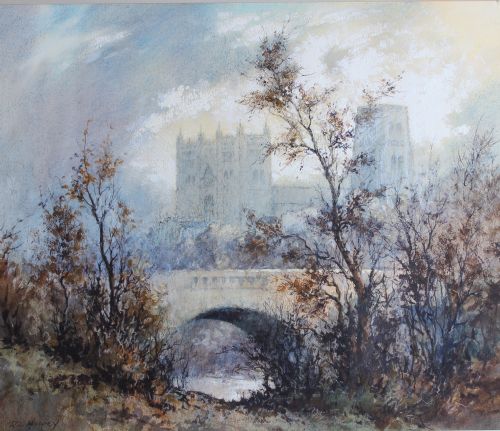


British Watercolour Study
A british watercolour study captures a fleeting moment in pigment and wash, offering intimate access to the hand of the artist.
British Watercolour Study
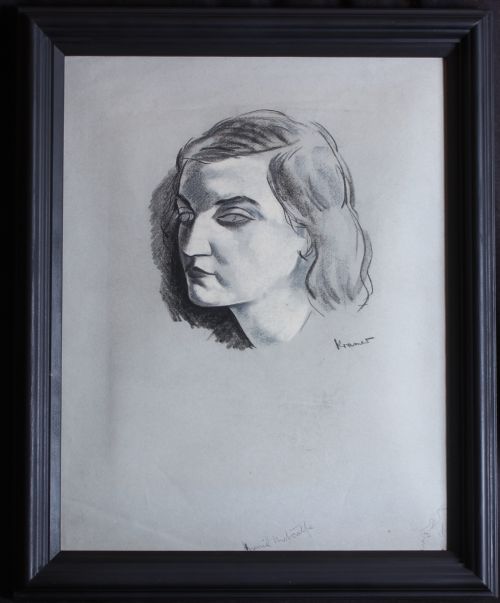
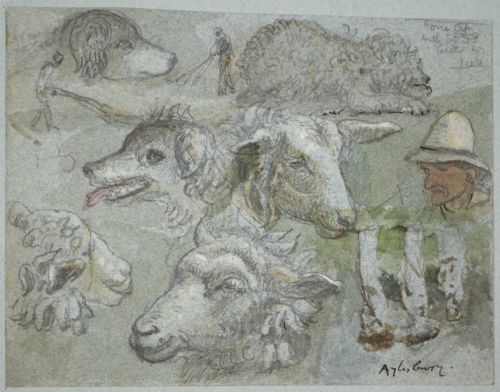
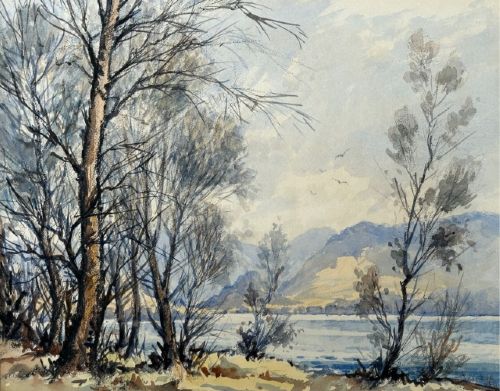
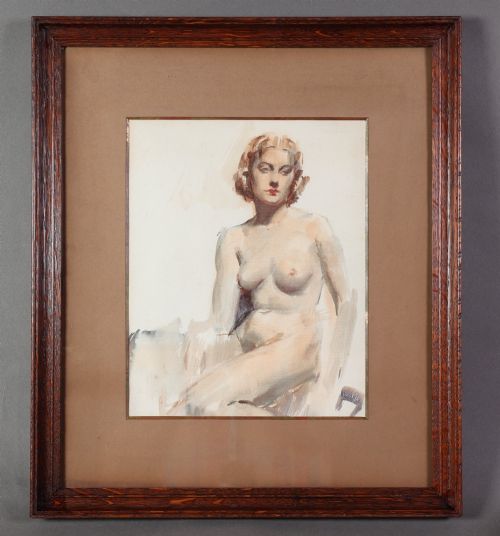
A british watercolour study is an original work on paper that records landscapes, portraits, still lifes, and figure compositions across various periods. These pieces range from rapid preparatory sketches to finished paintings executed in pigment, ink, and wash.
The works appearing here bridge several distinct movements, including Victorian academic traditions, Edwardian illustration, and mid-century modern abstraction. Buyers encounter diverse subjects such as botanical studies, Venetian scenes, and coastal landscapes.
Many items bear the signatures of known artists or emerge from the broader british school, reflecting the working methods of artists recording their observations directly from life or developing compositions for larger canvases.
How They Were Made
These works are executed primarily on paper using water-soluble pigments, often combined with pen and ink, gouache, or pastel to build texture and definition. Artists apply transparent washes to create luminosity, allowing the white of the paper to supply highlights.
Support materials typically consist of various grades of paper, sometimes mounted or framed behind glass to protect the delicate media from atmospheric moisture and handling. Secondary mediums such as graphite underdrawing remain visible in many studies, revealing the initial composition.
British Watercolour Study Retail Price Guide 2026
Typical asking prices for british watercolour study among the pieces listed under this phrase on Sellingantiques today, from the lower quarter to the upper quarter. They describe what is for sale here now, not the wider market.
Materials recorded across the inventory include paper, wood, glass, watercolour pigment, ink, and gouache.
What Varies in Quality
Quality in these works rests upon the surety of the brushwork and the precision with which the artist controls the pigment and water on paper. A successful study demonstrates confidence of line and economy of mark, where every stroke contributes to the form without overworking.
The preservation of the paper support and the vibrancy of the pigments also distinguish superior examples from faded or discoloured ones. Works that retain their original freshness and tonal contrast present the artist's initial vision with greater immediacy.
Jacob Kramer·James Smetham·Robert Leslie Howey·Elisabeth Frink·Raoul Millais·William Edward Frost·Rowland Henry Hill·Arthur Todd·Edith Barrow·Adrian Heath·Phyllis I Hibbert·Snaffles·Arthur Wardle·Alice Macallan Swan·Charles James Adams·Marion Broom·Francis William Topham·Peter Toft·John J Hamer·Montagu Barstow·Laura Knight·Tom Dudley·John Sherrin·Cuthbert Edmund Swan·Minnie Smythe
The British Watercolour Study Glossary
- Watercolour
- A painting method in which the paints are made of pigments suspended in a water-soluble vehicle. This medium relies on transparent washes layered upon white paper.
- Gouache
- An opaque water-based paint often used alongside watercolour to add highlights and solid areas of colour. Artists employ it to create heavier opacity within a study.
- Wash
- A thin, fluid layer of watercolour paint spread evenly across paper. It provides backgrounds, skies, or broad tonal areas in a composition.
- Study
- A preparatory drawing or painting made to explore a subject or composition. These pieces frequently capture direct observation before the execution of a larger finished work.
- Provenance
- The chronology of the ownership and custodial history of a work of art. Documented origins help verify the authenticity and background of a piece.
British Watercolour Study: Frequently Asked Questions
What is a british watercolour study?
A british watercolour study is an original work on paper created using water-soluble pigments, capturing subjects from landscapes to figure drawings.
These pieces function as direct records of an artist's observations or as preparatory works for larger paintings.
How should I frame a watercolour study?
Watercolour studies require framing behind glass with a mount that keeps the paper from touching the glazing. This prevents condensation damage and protects the delicate pigments from direct sunlight.
Conservation-grade materials ensure the paper remains stable over time.
How do I identify the period of a piece?
Dating relies on stylistic clues, framing materials, artist signatures, and inscriptions recorded on the paper or backing. Victorian works often show detailed academic realism, while mid-century examples lean toward abstraction or looser impressionism.
Comparing the hand and medium with documented works by the same school offers further confirmation.
Were these works meant to be finished paintings?
Many watercolours function as direct studies captured outdoors or in the studio to record light, colour, and form. Some remain quick notations, while others are highly resolved compositions intended as independent works of art.