




British Watercolour Sketch
A british watercolour sketch captures a scene through pigment and wash, offering an immediate record of an artist's vision.
British Watercolour Sketch
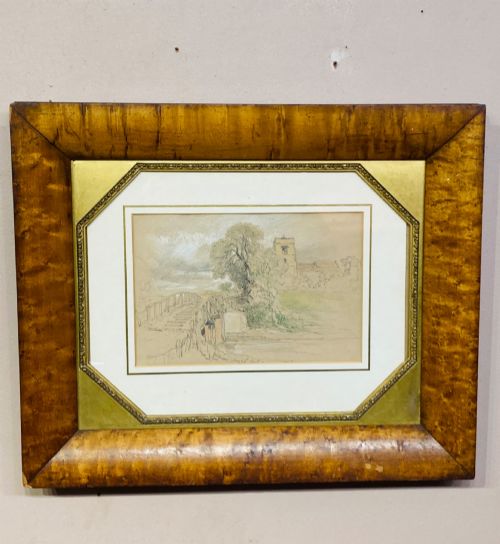
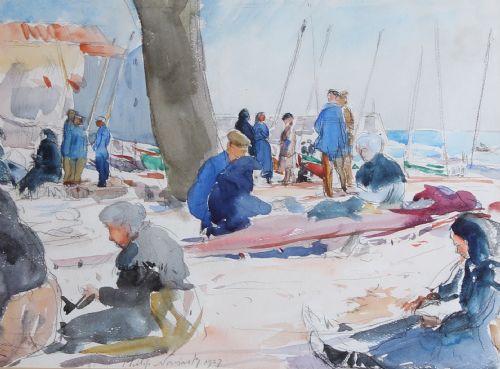
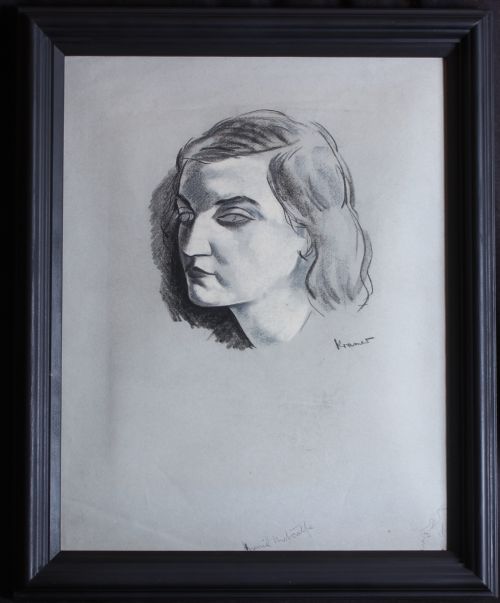
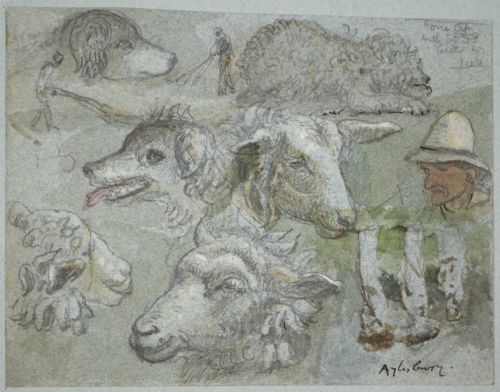
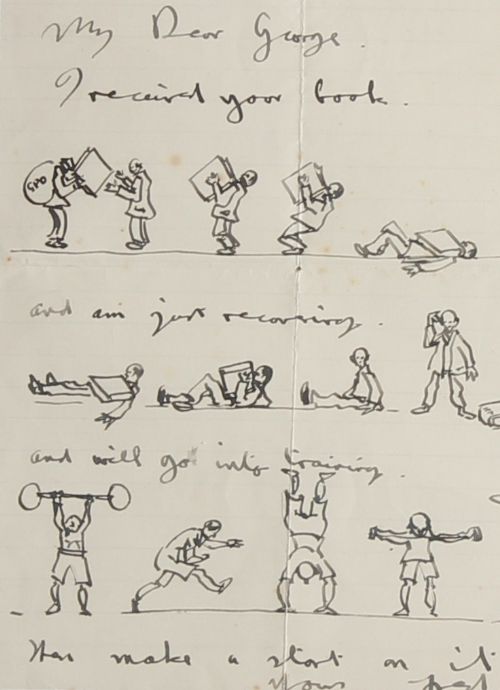
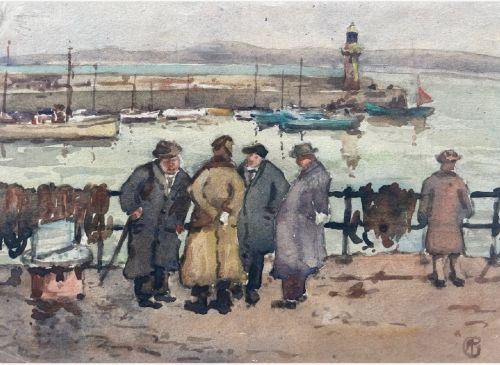
A british watercolour sketch represents original works on paper produced across the nineteenth and twentieth centuries. These pieces encompass landscapes, townscapes, portraits, and figure studies executed by named artists and regional schools.
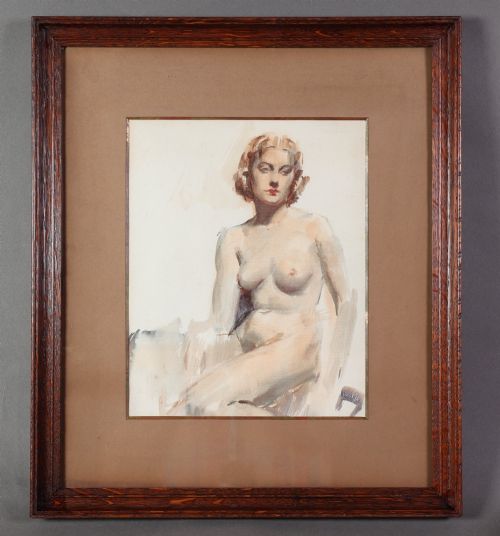
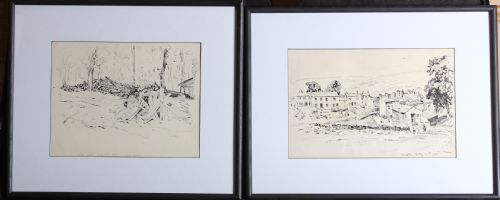
The selection ranges from Victorian academic studies to modern British compositions. Works frequently appear framed behind glass in wood or oak frames, preserving the delicate paper supports.
How They Were Made
Artists applied watercolour, ink, pencil, graphite, and occasionally pastel or gouache onto paper sheets. These mediums were combined directly on the support to build rapid impressions or finished paintings.
Framing materials typically include glass protection housed within wooden or oak surrounds to safeguard the works on paper from atmospheric damage.
British Watercolour Sketch Retail Price Guide 2026
Typical asking prices for british watercolour sketch among the pieces listed under this phrase on Sellingantiques today, from the lower quarter to the upper quarter. They describe what is for sale here now, not the wider market.
Listings span the nineteenth and twentieth centuries, featuring watercolours, ink, pencil, and gouache on paper within wood and oak frames.
What Varies in Quality
The strength of the composition and the sureness of the hand distinguish the finest examples from simpler exercises. Works showing confident brushwork and distinct handling of light elevate the individual piece.
Provenance and documentation also contribute significantly to the standing of a work. Attributions to recorded makers or clear ties to specific bodies of work provide firmer context for the collector.
Fred Lawson·James Smetham·George F Pennington·Princess Alice Maud Mary·Raoul Millais·William Edward Frost·Arthur Todd·Thomas Rowlandson·Hercules Brabazon Brabazon·Tom Dudley·Dame Laura Knight·Thomas Bush Hardy·Snaffles·Sir William Charles Ross·H P Ditmas
The British Watercolour Sketch Glossary
- Watercolour
- A paint consisting of a pigment suspended in a water-soluble vehicle. It is applied in translucent washes to create luminosity on paper.
- Gouache
- An opaque watercolour paint containing an added white pigment to create denser, heavier colour passages. It is frequently layered over pencil or standard watercolour.
- Graphite
- A form of carbon used as a drawing medium. It appears in sketches as foundational underdrawing or as finished linear work.
- Provenance
- The documented history of ownership of a work of art. It establishes authenticity and traces the path of the piece from its creation.
- Support
- The physical material upon which the artwork is created. In these instances, the support is uniformly paper.
British Watercolour Sketch: Frequently Asked Questions
What is a british watercolour sketch?
A british watercolour sketch is an original work on paper executed in water-soluble pigments, often accompanied by ink or pencil. These pieces record landscapes, figures, and architectural views by artists working in Britain.
They function as direct expressions of an artist's observation, ranging from rapid field notes to finished compositions.
How should I frame these works?
Works on paper require protection behind glass to prevent airborne dust and moisture from damaging the pigment and support. Wood and oak frames are traditional choices that complement the period of the artwork.
Conservation mounting with acid-free materials ensures the paper remains stable over time.
How do I identify the period?
Dating relies on stylistic evidence, signatures, inscriptions, and framing materials. Victorian works often display academic precision, while twentieth-century pieces show modernist tendencies.
Secondary documentation such as exhibition labels or artist archives helps narrow the date of execution.
Where were these sketches created?
Artists produced these works both in studio settings and outdoors directly from nature. Locations range from specific British landscapes and townscapes to domestic interiors.
Inscriptions on the reverse or mount frequently record the exact spot where the artist sat.