

British Vintage Furniture
British vintage furniture spans sturdy campaign chairs to sleek Art Deco sideboards, offering character and craftsmanship for modern interiors.
British Vintage Furniture
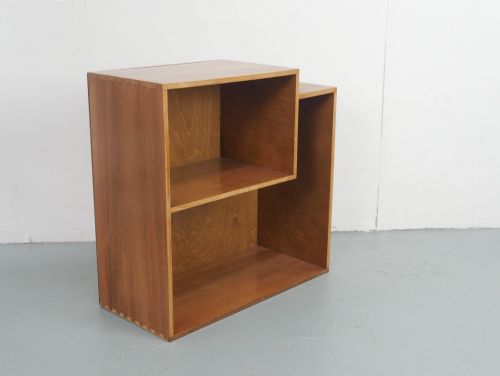
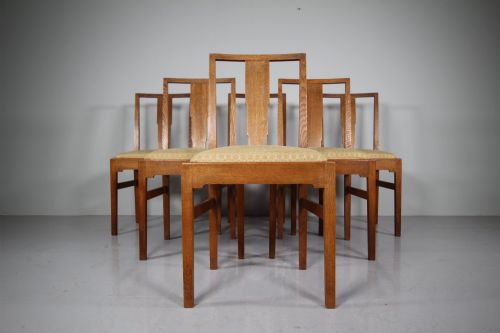
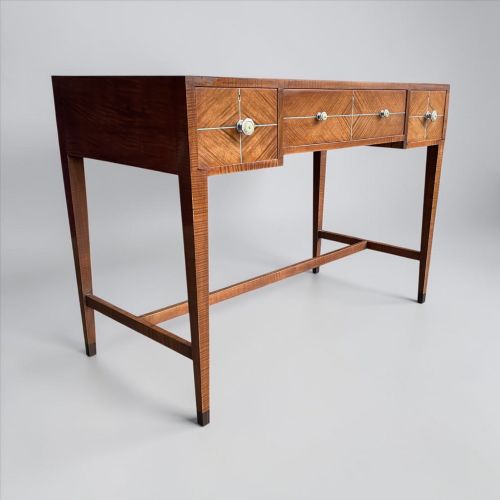
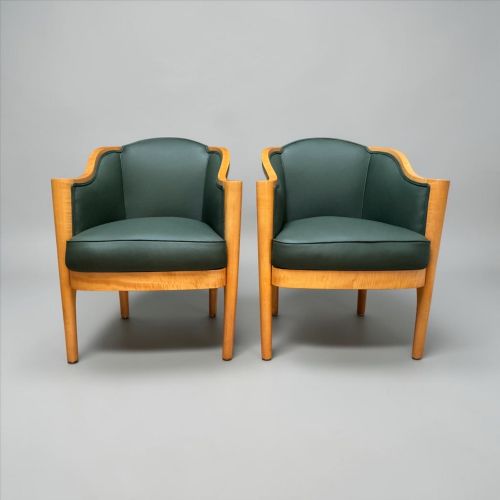
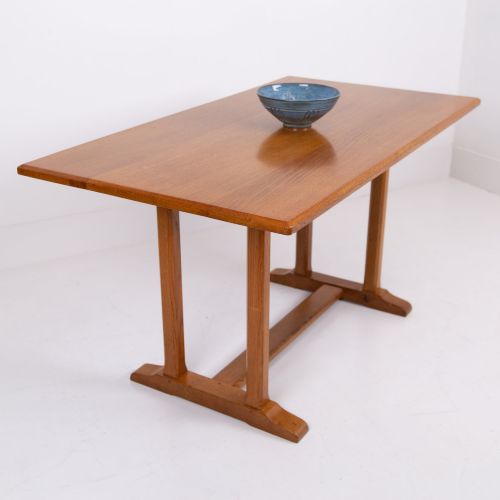
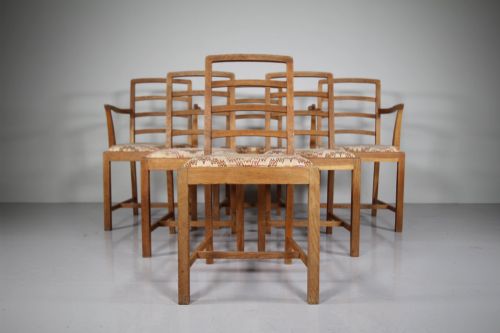
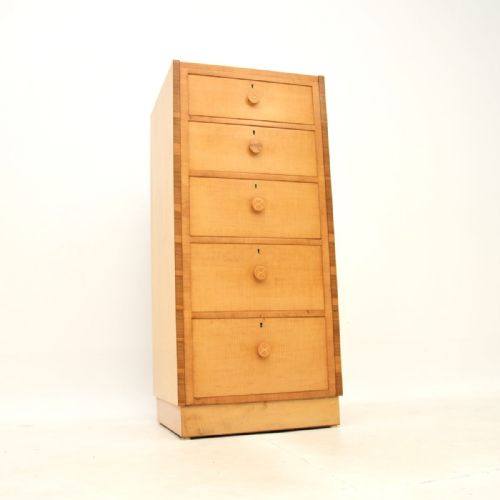
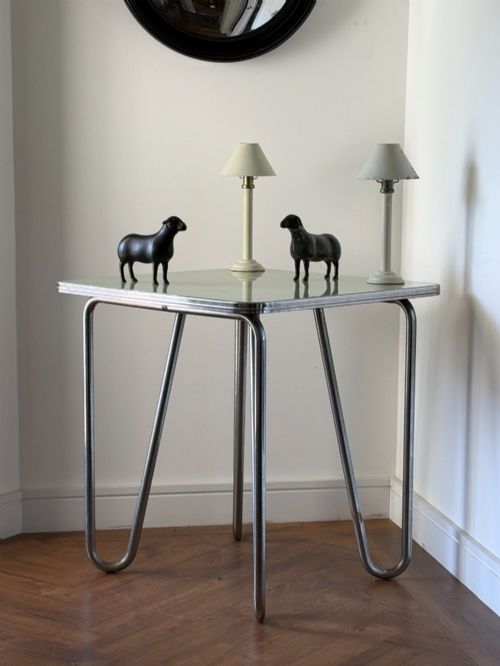
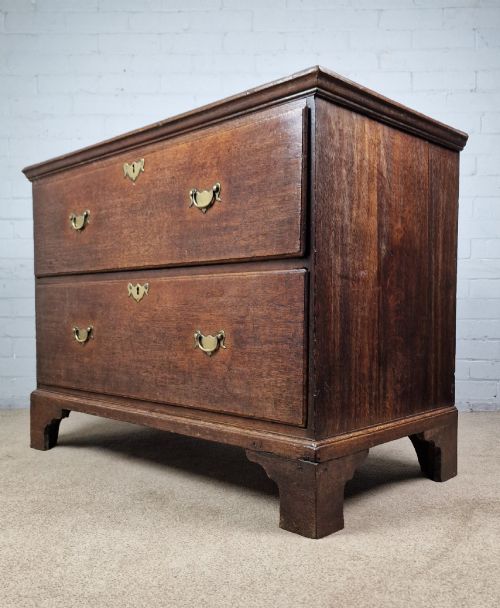
British vintage furniture encompasses a broad spectrum of domestic and commercial pieces originating from the eighteenth century through to the modern era of the 1930s. When searching for British vintage furniture, buyers encounter distinct forms ranging from practical oak chests of drawers and pub tables to elaborate Art Deco desks and display cabinets.
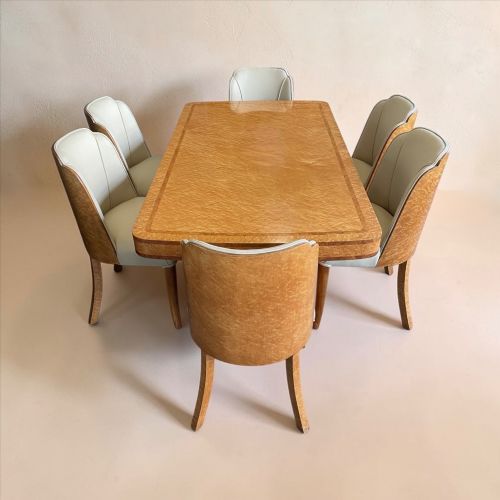
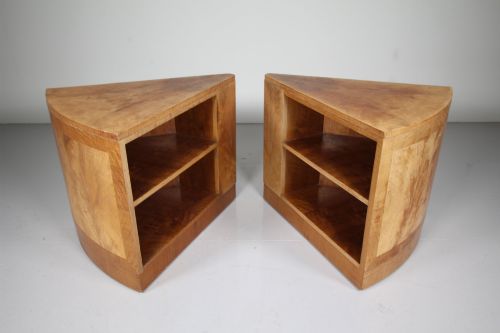
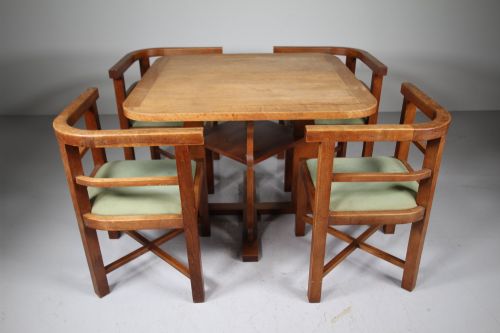
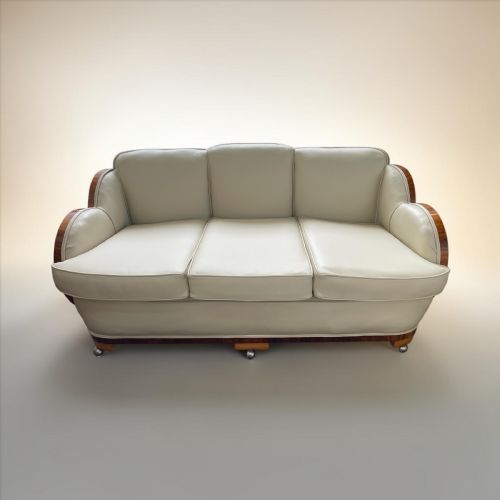
The selections on this page lean heavily towards early twentieth-century production, particularly Art Deco pieces by notable makers alongside earlier Victorian campaign items and eighteenth-century oak cabinetry. Domestic seating, storage units and tables dominate the available forms, reflecting the varied interior demands of British households over multiple centuries.
Originating from workshops, studios and larger cabinet-making firms across Britain, these items carry the structural traits of their specific decades. Buyers find everything from utilitarian school cupboards and cast iron pub tables to refined walnut dressing tables and colonial seating brought back from abroad.
How they were made
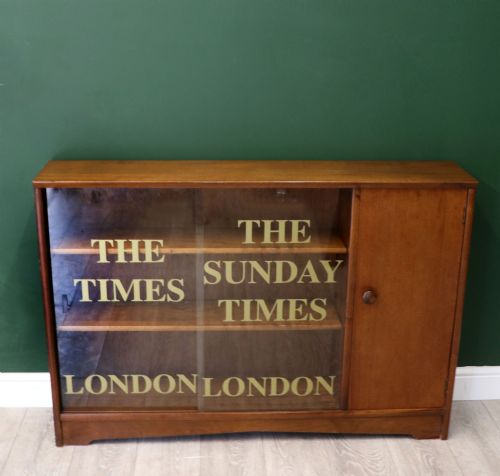
The construction of these pieces relies heavily upon solid timbers such as oak, mahogany, walnut, rosewood and sycamore, often enhanced by decorative wood veneers and polished glass surfaces. Cabinet makers utilised traditional joinery methods to build lasting carcases for sideboards, bookcases and wardrobes.
British Vintage Furniture Retail Price Guide 2026
Typical asking prices for british vintage furniture among the pieces listed under this phrase on Sellingantiques today, from the lower quarter to the upper quarter. They describe what is for sale here now, not the wider market.
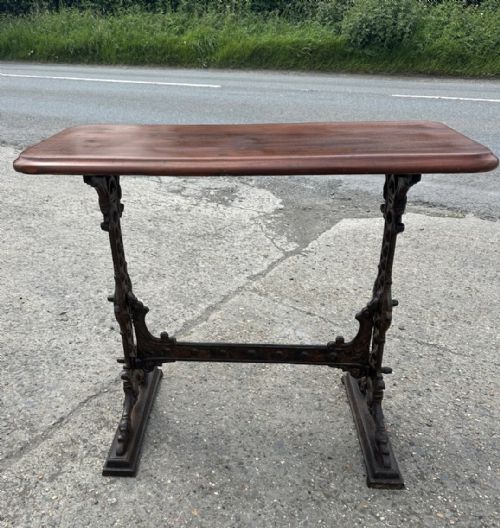
A sturdy nineteenth-century cast iron pub table still carries the quiet ghost of spilled ales and fierce Victorian debates beneath its mahogany top.
What varies in quality
Quality in these pieces rests upon the integrity of the timber selection and the precision of the underlying construction. Higher grade items employ superior hardwoods and finely matched veneers that remain stable across decades of domestic use.
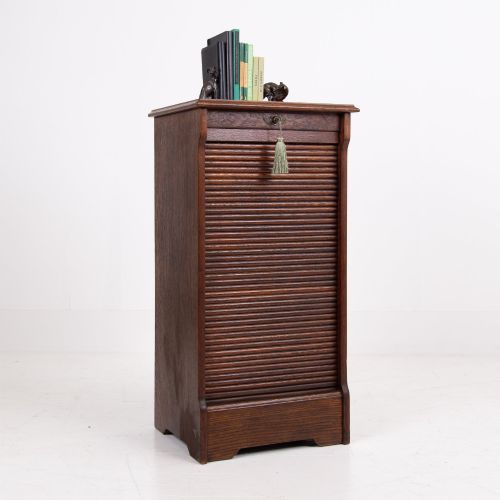
The execution of fine details, from the smooth action of tambour doors and drawers to the original hardware and surface finishes, separates standard production items from workshop masterpieces designed by leading figures of the period.
Maurice Adams·Heals of London·Hille·Harry and Lou Epstein·Betty Joel·Bath Cabinet Makers·Hamptons of Pall Mall London·Bowman Brothers
The British Vintage Furniture Glossary
- Campaign furniture
- Portable items designed for military officers on active service, typically featuring brass corners, recessed handles and folding mechanisms. These pieces dismantled easily for transport across the British Empire.
- Tambour door
- A flexible door constructed from narrow vertical strips of wood glued to a canvas or leather backing, allowing it to slide smoothly around a curved cabinet track.
- Veneer
- A thin layer of choice wood applied over a more stable secondary timber base to provide decorative grain patterns on furniture surfaces.
- Limed oak
- Timber treated with a specialised finish that leaves a whitish pigment in the open grain pores, creating a pale, softened appearance popular in twentieth-century design.
British Vintage Furniture: Frequently Asked Questions
How do I date British vintage furniture?
Dating relies on identifying period-specific styles, construction methods, and materials recorded in the piece. Examining joinery techniques and hardware often reveals the manufacturing era.
Makers' marks, stamps, or labels also provide precise chronological anchors for items produced by established firms and named designers.
What is campaign furniture used for?
Campaign furniture served British military officers who required sturdy, portable furnishings during colonial campaigns. The modular design allowed chests and desks to split apart for transit.
Today, these practical folding pieces fit easily into compact modern spaces while retaining a distinct historical aesthetic.
How should I care for vintage wood furniture?
Maintain wooden surfaces by keeping them away from direct sunlight and sudden temperature shifts. Regular dusting with a soft cloth preserves the original polish.
Apply occasional appropriate wax feeds to nourish older timbers like oak and walnut without sealing the grain.
Are Art Deco pieces practical for daily use?
Art Deco sideboards, desks, and wardrobes offer generous storage capacity and sturdy construction well-suited to contemporary living. Their clean lines complement modern interiors effectively.
Drawers and cabinets operate smoothly when maintained properly, combining utility with distinct twentieth-century style.