
British Victorian Art
British Victorian art encompasses oil paintings, watercolours and textile wall art created during the nineteenth century and the Edwardian era, offering collectors a rich window into past landscapes and social history.
British Victorian Art
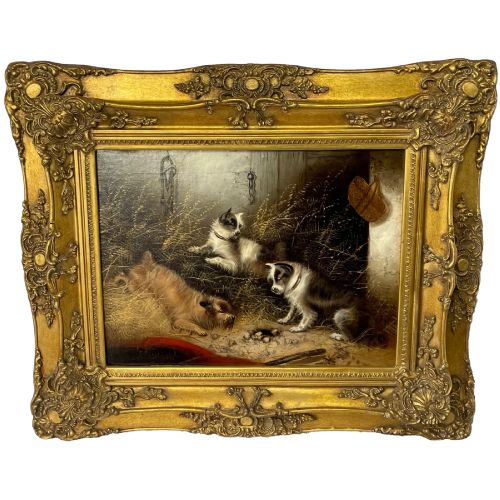
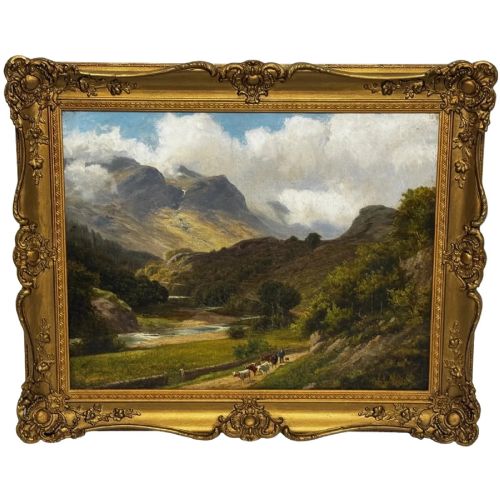
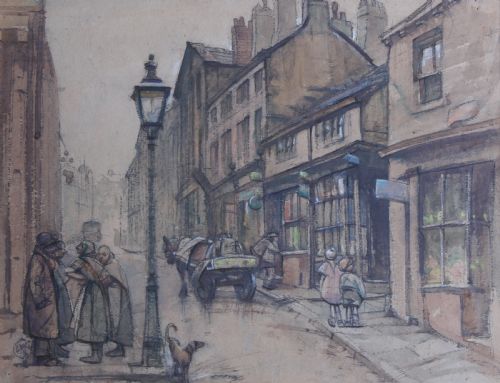
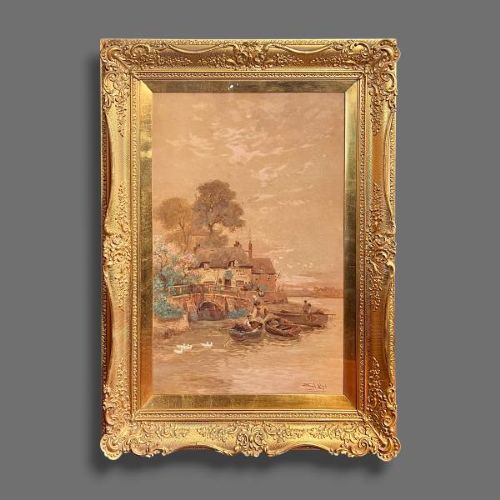
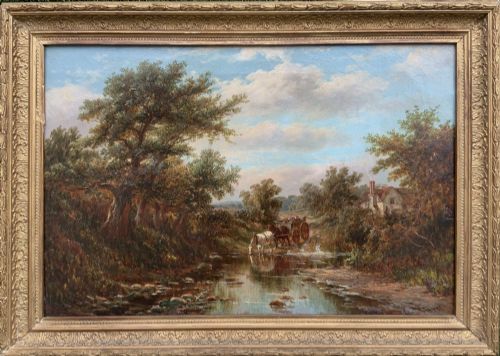
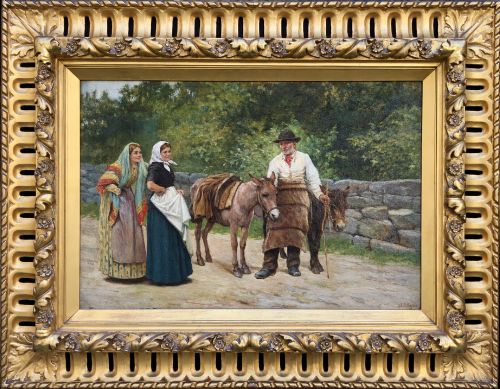
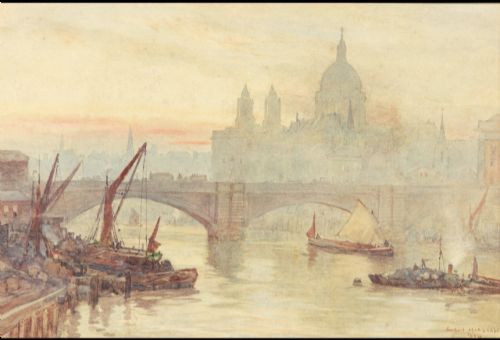
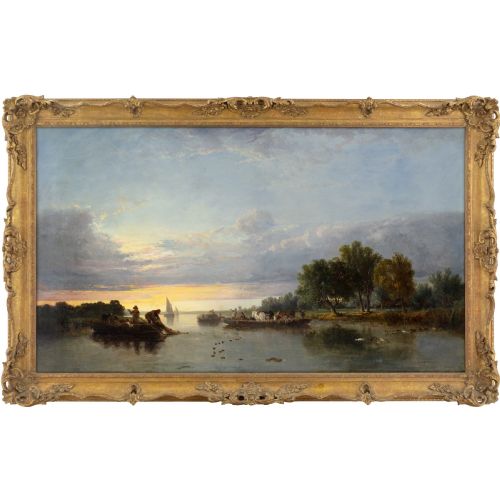
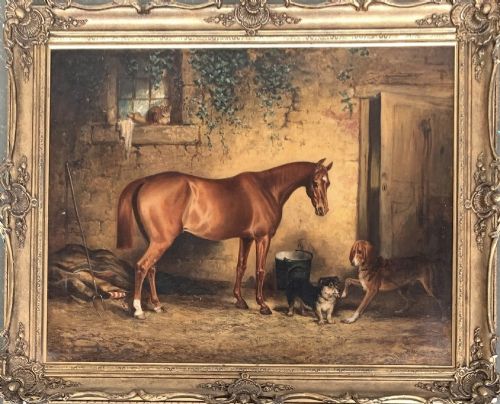
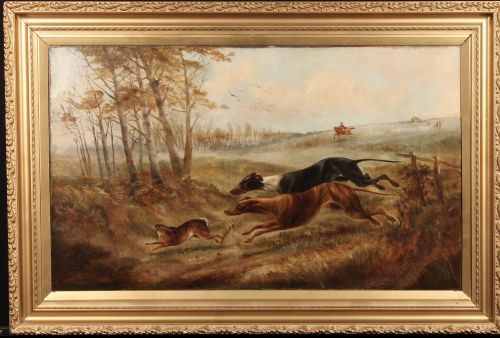
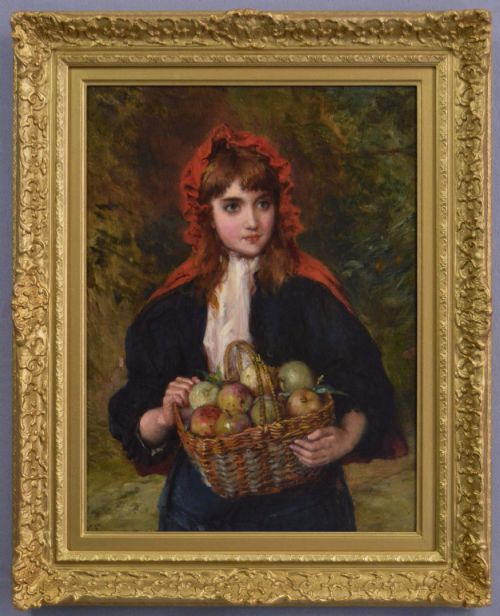
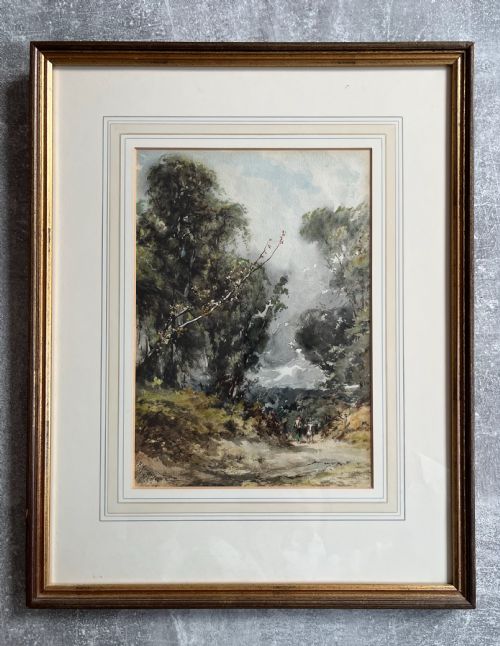
When searching for British Victorian art, buyers encounter a diverse selection of oil paintings, watercolours, and framed artwork dating predominantly from the nineteenth century. These pieces capture everything from pastoral landscapes and maritime scenes to intimate genre paintings and social history portraits.
The works reflect the broad aesthetic movements of the period, spanning traditional Victorian styles, British Impressionism, and folk art. Pieces often depict familiar British scenes such as the Thames Valley, Scottish landscapes, and coastal harbours.
Shoppers will also find specialised formats including textile wall art, charcoal drawings, and detailed studies of rural life, agricultural animals, and sporting subjects. Each object carries the distinct touch of academic artists and regional painters active across the era.
Materials and construction
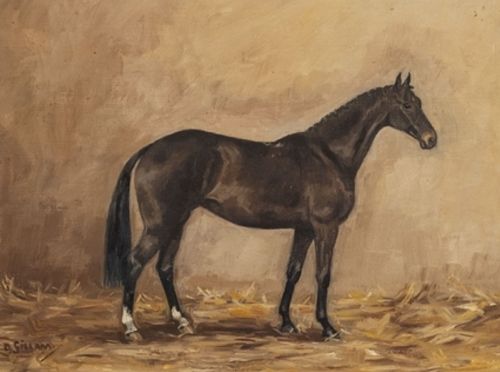
Painters of this era relied primarily on oil on canvas, oil on panel, and watercolour on paper, frequently housed in original giltwood or gilt wood frames. The handling of pigment ranged from tightly finished academic portraiture to the looser brushwork associated with British Impressionism.
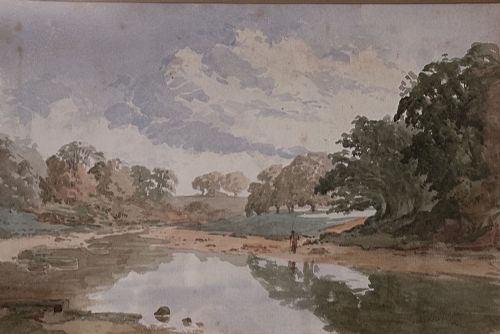
Works on paper utilised refined watercolours and charcoal, while textile pieces involved intricate needlework such as woolwork 'woolie' creations. Supporting panels and canvases demonstrate standard nineteenth-century framing and stretching techniques employed by period workshops.
Several canvases record the serious expressions of prized Victorian shorthorn bulls and racing pigeons alongside human nobility.
Assessing quality in the works
Quality in these works rests upon the artist's command of medium, perspective, and atmospheric depth, distinguishing accomplished academic output from more formulaic regional production. Superior canvases display confident brushwork, nuanced handling of light, and balanced composition.
Condition and originality also dictate standing within the field, particularly the preservation of the painted surface and the retention of period giltwood framing. Works carrying signatures from established Royal Academy exhibitors or listed British artists generally command greater attention from collectors.
William Oliver·Richard Sebastian Bond·James Orrock·Felix Stone Moscheles·Sir James Dromgole Linton·Valentine T. Garland·John Maler Collier·Arthur Wardle·Mark William Langlois·Thomas Smythe
The British Victorian Art Glossary
- Genre painting
- Depictions of aspects of everyday life by depicting ordinary people engaged in common activities. These works provide valuable social history insights into nineteenth-century domestic and rural routines.
- Giltwood
- Wood that has been covered with a thin layer of gold leaf or gold paint. It was extensively utilised for framing fine paintings during the Victorian period.
- Social realism
- An artistic movement that highlights the everyday conditions of the working classes and poor. These paintings document industrial and social changes in Britain.
- Woolie
- A type of sailors' folk art embroidery made using wool yarn. They frequently depict British merchant ships and naval scenes.
- Watercolour
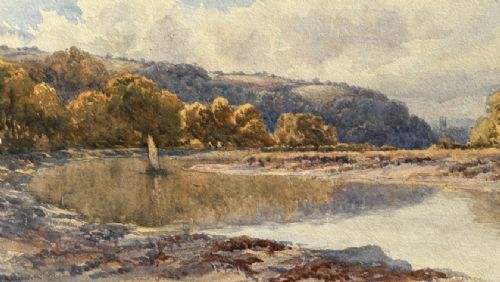
- A painting method in which the paints are made of pigments suspended in a water-based solution. Paper serves as the primary support medium for these transparent washes.
British Victorian Art: Frequently Asked Questions
How do I identify the period of a painting?
Dating relies upon artist signatures, dates inscribed on the canvas or paper, and stylistic indicators such as clothing and architecture. Many works carry specific nineteenth-century or Edwardian exhibition markers.
Framing materials like period giltwood can also offer clues regarding the original context and date of the artwork.
Are watercolours as durable as oil paintings?
Works on paper require careful protection from direct sunlight to prevent fading of the pigments over time. Proper framing behind glass is essential for the preservation of antique watercolours and drawings.
Oil on canvas pieces generally prove more resilient, though they still benefit from stable indoor humidity and temperature levels.
What is a woolie picture?
A woolie is a form of textile wall art created by sailors using dyed wool yarn on canvas backing. They typically portray British merchant ships or naval scenes with distinct maritime detail.
These handmade pieces represent a unique branch of British folk art from the late nineteenth century.