

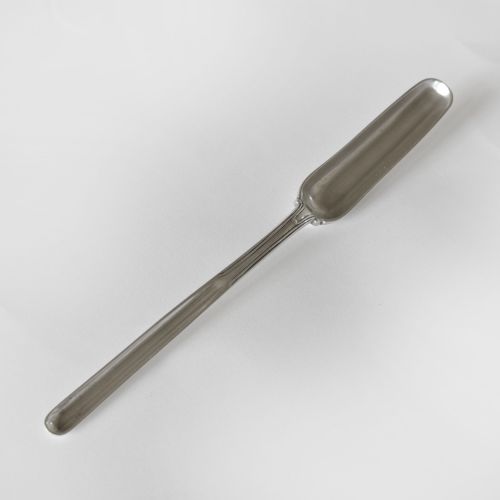


British Sterling Spoon
A british sterling spoon carries the weight of centuries at the table, offering solid metalwork in forms from caddy spoons to heavy serving pieces.
British Sterling Spoon
A british sterling spoon encompasses a diverse range of eating, serving, and measuring implements shaped from silver across multiple centuries. Buyers searching this phrase encounter everything from diminutive caddy spoons designed for tea leaves to substantial basting spoons and marrow scoops.
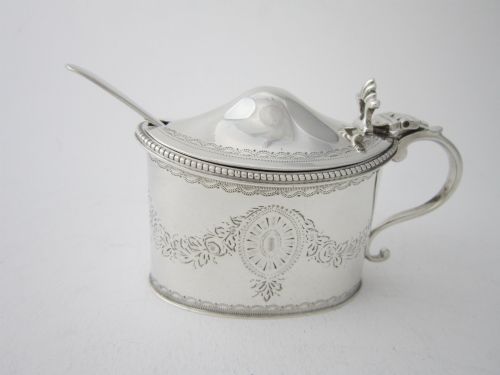
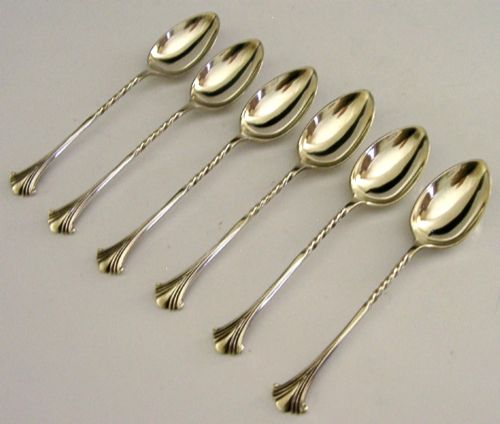
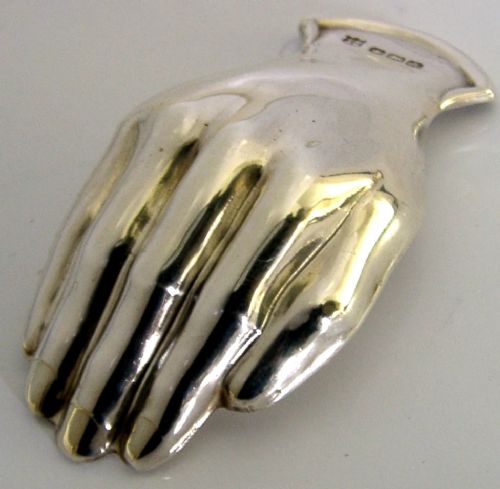
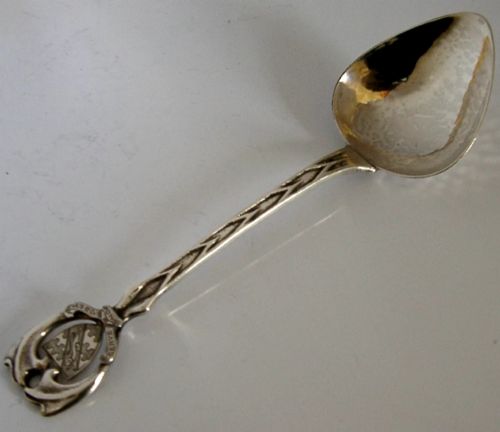
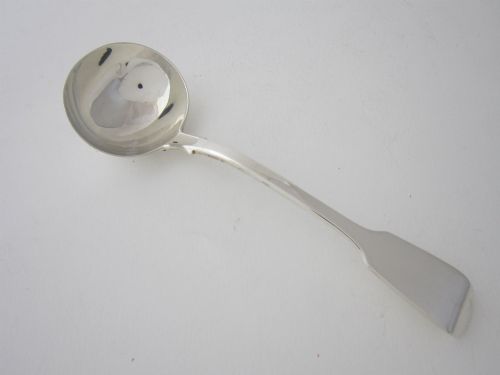
The selection on this page leans heavily into Victorian and twentieth-century examples, alongside earlier Georgian and Queen Anne forms. Caddy spoons, teaspoons, and serving spoons dominate the current spread, reflecting both formal dining traditions and domestic rituals.
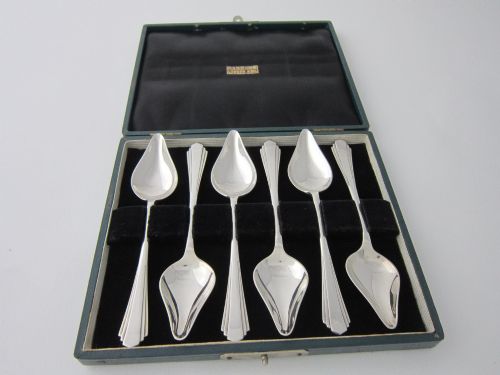
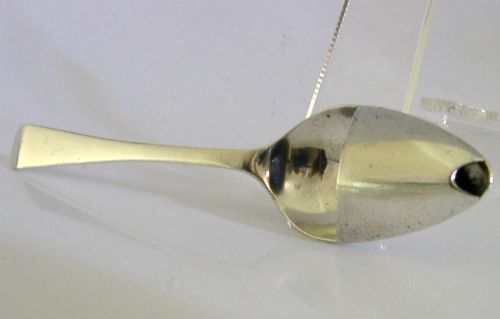
Domestic and specialised forms appear side by side, spanning grapefruit spoons, medicine spoons, and ice cream servers. Each piece records the changing domestic habits and dining customs of British households through solid silver craftsmanship.
How they were made
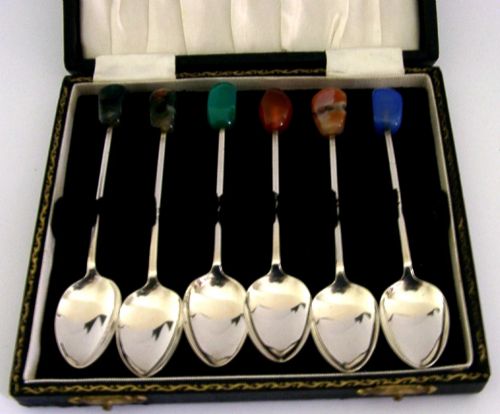
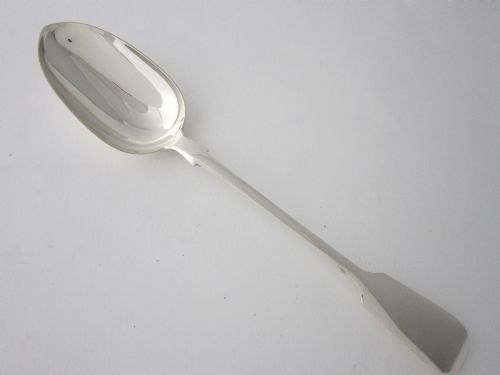
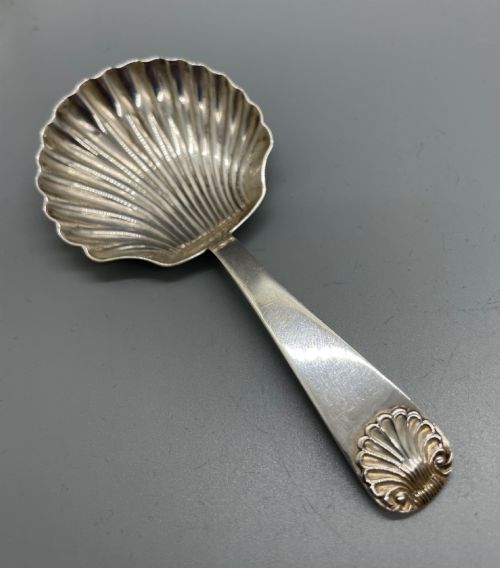
Sterling silver provides the foundational material for these pieces, often paired with decorative elements like enamel for added visual contrast. Many spoons rely on traditional shaping and hammering techniques to achieve classic fiddle patterns, rattail dognose profiles, and intricate shell bowls.
Certain specialised pieces utilise fitted presentation containers lined with leatherette, velvet, fabric, silk, or satin to protect the metal surfaces. These housing materials reflect the high regard in which domestic silver was held during the Victorian and later periods.
British Sterling Spoon Retail Price Guide 2026
Typical asking prices for british sterling spoon among the pieces listed under this phrase on Sellingantiques today, from the lower quarter to the upper quarter. They describe what is for sale here now, not the wider market.
Some Victorian spoons were built purely to dispense medicine or scoop marrow, proving that even a spoon had a day job.
What varies in quality
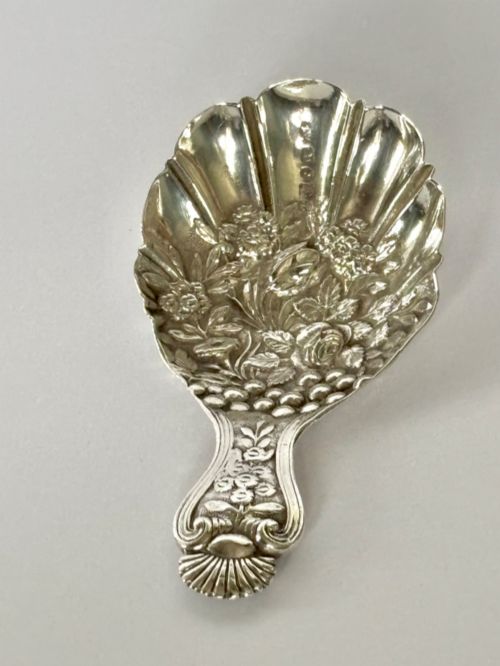
Quality rests in the crispness of the original chasing, engraving, and structural integrity of the bowl and stem. Superior examples display clear hallmarks, balanced weight in the hand, and well-preserved decorative motifs such as floral embossing or enamel work.
The distinction between standard domestic flatware and exceptional pieces often lies in the depth of the silversmith's work and the inclusion of specialised forms like novelty tea caddy spoons or early rattail profiles.
Joseph Willmore·Mappin & Webb·George Unite·Walter & John Barnard·Lawrence Coles
The British Sterling Spoon Glossary
- Sterling silver
- An alloy consisting of silver and other metals, usually copper, meeting a specific fineness standard for durability and lustre. It forms the primary material for the vast majority of these spoons.
- Caddy spoon
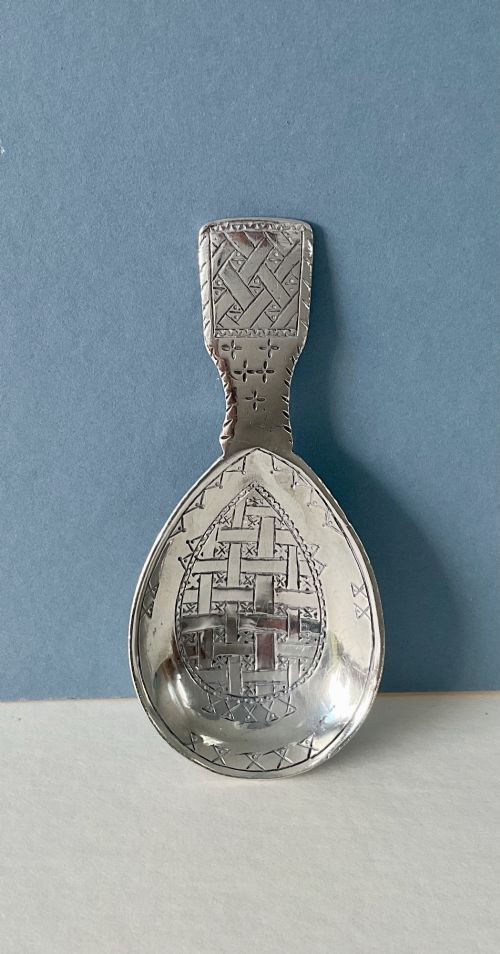
- A short-handled spoon specifically created for measuring dry tea leaves from a caddy into a teapot. These often feature decorative shell or novelty bowls.
- Fiddle pattern
- A flatware handle shape widening at the base with a subtle shoulder, popular throughout the nineteenth century. This design provides a comfortable grip and a balanced weight.
- Marrow scoop
- A narrow, double-ended silver implement designed for extracting marrow from bones during formal Georgian and Victorian dinners. One end is typically longer and narrower than the other.
- Rattail
- A slender tapering spine of metal extending from the handle down the back of the spoon bowl, strengthening the joint. This feature appears on early pieces such as Queen Anne examples.
British Sterling Spoon: Frequently Asked Questions
What is a sterling caddy spoon used for?
A sterling caddy spoon measures loose tea leaves from a storage container into the pot. Their compact bowls and short handles made them practical accessories for the tea table.
Over time, silversmiths transformed these utilitarian items into highly decorative objects featuring shell motifs, engraved designs, and novelty shapes.
How do I identify the date of a British silver spoon?
British silver typically bears a series of hallmarks stamped directly onto the metal, indicating the maker, assay office, and date letter. These tiny marks provide the primary evidence for dating an item accurately.
Style, handle pattern, and bowl shape also offer strong clues to the period, ranging from early rattail profiles to Art Deco enamel work.
What is a marrow scoop?
A marrow scoop is a specialised elongated silver implement designed to extract marrow from animal bones during formal dining. They feature narrow, trough-like ends suited for the task.
These pieces reflect the elaborate dining practices of the Georgian era, where specialised cutlery accompanied every course.
How should I care for antique silver spoons?
Antique silver benefits from gentle cleaning with a soft cloth and specialised silver polish only when tarnish becomes heavy. Regular washing in mild soapy water preserves the natural patina accumulated over centuries.
Storing pieces in lined boxes or appropriate fabric rolls prevents surface scratches and slows the tarnishing process.