


British Sterling Silver Cutlery
British sterling silver cutlery offers exceptional craftsmanship across dining services, combining functional utility with distinguished heritage.
British Sterling Silver Cutlery
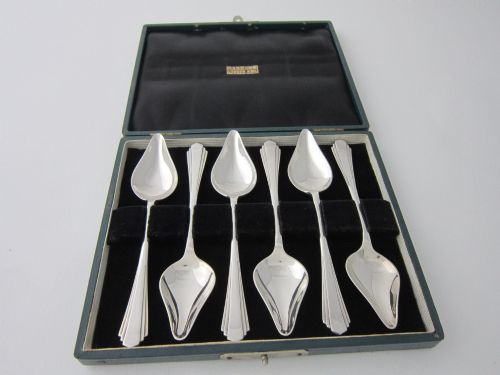
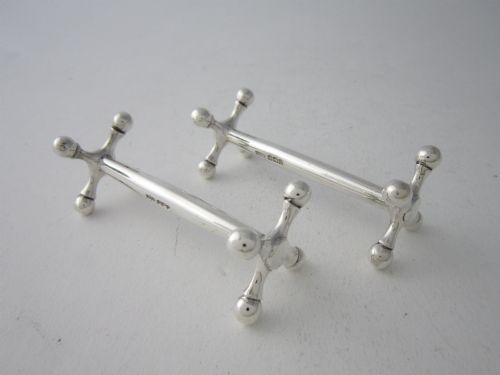
British sterling silver cutlery encompasses an array of dining implements forged in Britain, ranging from eighteenth-century George II tablespoons to twentieth-century Art Deco grapefruit spoons and knife rests. These items serve both practical dining functions and ceremonial or decorative roles on the table.
Buyers encountering this category will most frequently find nineteenth-century Victorian flatware alongside Georgian serving spoons and specialised items like marrow scoops and caddy spoons. Such pieces reflect centuries of British silversmithing traditions spanning multiple royal reigns and distinct artistic periods.
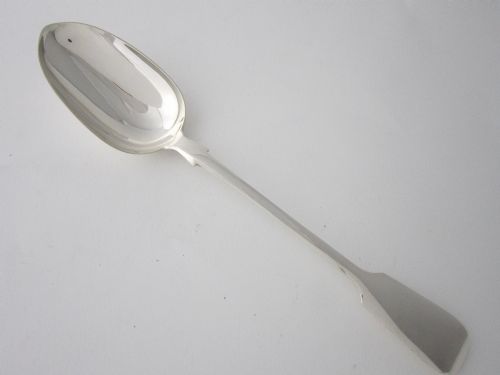
The selection includes matched pairs, individual serving pieces, and boxed sets featuring enamel detailing or traditional fiddle patterns. Each object demonstrates the enduring utility and aesthetic appeal characteristic of British silver production.
Materials and construction
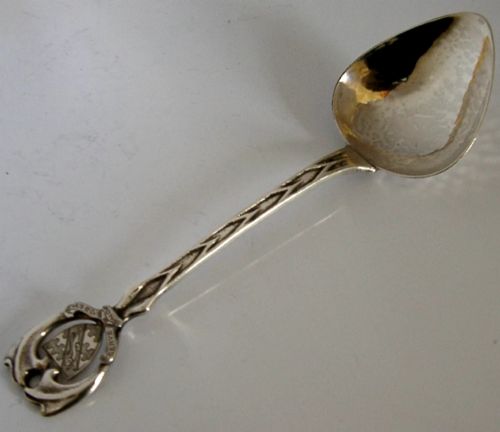
These items are forged primarily from sterling silver, yielding durable and lustrous tableware designed for regular use. Enamel is occasionally applied as a decorative accent on twentieth-century teaspoons, adding contrasting colour to the metallic surfaces.
Complementary presentation cases utilise materials such as fabric, leatherette, satin, and velvet to house and protect the silverware. Artisans shaped the metal through traditional techniques, hammering and forming sterling silver into robust spoons, forks, and specialised knife rests.
Grapefruit spoons from nineteen-forty-six bring serrated edges to breakfast tables, proving that even formal British silver adapted for citrus.
Assessing quality in silver cutlery
The distinction between standard examples and superior items rests upon the weight of the silver, the crispness of the maker's mark, and the preservation of original decorative details like fiddle patterns or enamel work. Heavier gauges of silver provide greater tactile substance and durability during use.
Condition of associated presentation materials, such as velvet or satin linings within leatherette cases, influences the completeness and historical integrity of cased sets. Furthermore, pieces bearing clear marks from notable makers command greater attention from collectors.
George Unite·Walter and John Barnard
The British Sterling Silver Cutlery Glossary
- Sterling silver
- A silver alloy containing ninety-two point five percent pure silver by mass and seven point five percent other metals, usually copper. This composition provides the necessary hardness for cutlery while maintaining a bright metallic lustre.
- Fiddle pattern
- A traditional nineteenth-century flatware handle design featuring a distinctive tapered shape with shoulders near the terminal. It remained exceptionally popular throughout the Victorian era.
- Caddy spoon
- A short-handled spoon specifically designed for measuring loose tea leaves from a caddy. These often feature decorative bowls and intricate handles.
- Marrow scoop
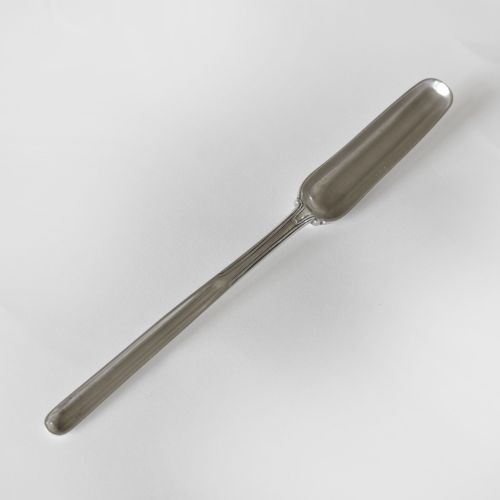
- A narrow, elongated utensil with a small trough at each end, used historically for extracting bone marrow. They are prized by collectors for their specialised Georgian and nineteenth-century forms.
- Knife rest
- A small horizontal support designed to keep carving or dining knives elevated above the tablecloth between courses. They prevent grease and food residue from soiling the linen.
British Sterling Silver Cutlery: Frequently Asked Questions
What is british sterling silver cutlery?
British sterling silver cutlery comprises spoons, forks, and serving implements manufactured in Britain from high-purity silver. These pieces range from simple eighteenth-century tablespoons to ornate Victorian and twentieth-century designs.
Items in this category often feature traditional hallmarks denoting their assay office, silver standard, and year of creation. They represent centuries of domestic dining culture and silversmithing expertise.
How do I identify georgian silver?
Georgian silver dates from the reigns of Georges I through IV, spanning roughly the eighteenth and early nineteenth centuries. Look for distinctive regional hallmarks, simpler classic forms, and often heavier gauges of hand-wrought silver.
These pieces frequently display engraved family crests or monograms rather than mass-produced decorative patterns. Their stylistic restraint characterises the craftsmanship of the period.
What are knife rests used for?
Knife rests support carving knives and forks between servings at the dining table. They keep the blades elevated to protect table linens from stains.
Typically formed as matched pairs, they appear in various sturdy materials including heavy sterling silver. Their designs often mirror the prevailing decorative style of their manufacturing era.
How should I clean antique silver?
Clean antique sterling silver gently using a specialised silver cloth or mild, non-abrasive silver polish formulated for heritage items. Avoid harsh chemical dips that can strip away desirable patinas.
Store pieces in tarnish-resistant fabrics or original velvet-lined cases when not in use. Regular, gentle maintenance preserves both the reflective finish and the underlying hallmarks.