
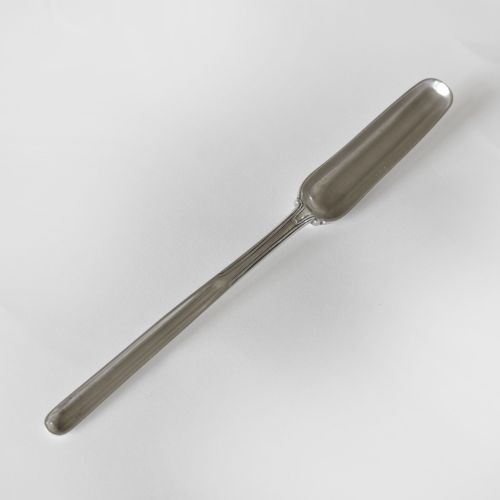


British Silver Cutlery
British silver cutlery brings centuries of dining heritage to the table, offering practical flatware and serving pieces shaped from sterling silver.
British Silver Cutlery
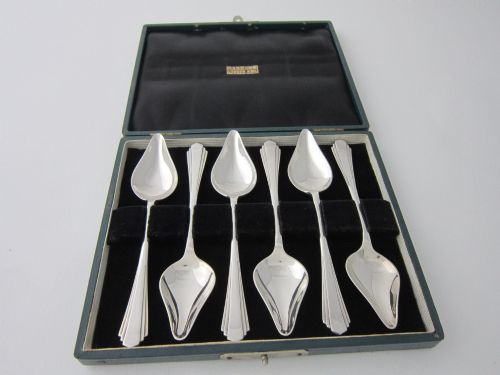
British silver cutlery encompasses a diverse array of dining implements ranging from eighteenth-century tablespoons and marrow scoops to twentieth-century grapefruit spoons and enamel teaspoons. These items reflect the shifting fashions of domestic dining across the Georgian, Victorian, and later eras. Pieces on this page span several centuries of British craftsmanship, showcasing both utilitarian tools and decorative serving ware.
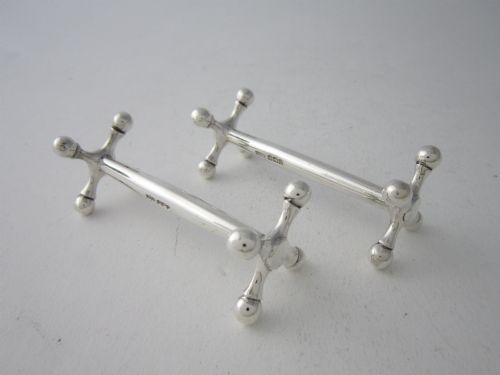
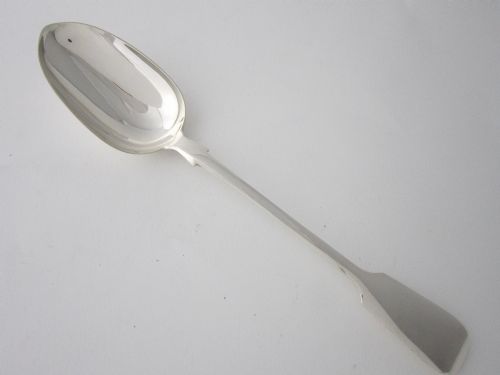
Buyers seeking traditional flatware will encounter matched serving spoons, forks, and sugar tongs alongside specialised items like caddy spoons and knife rests. The selection includes regional and period-specific designs, such as fiddle pattern basting spoons and campaign cutlery sets tailored for travel. Each object serves a distinct function at the table while displaying the distinct aesthetic of its period of origin.
The assortment on this page draws together items fashioned from sterling silver, often paired with functional elements of steel or horn, and occasionally housed in leatherette or fabric cases. Pieces range from early Georgian tablespoons bearing London hallmarks to Art Deco enamelled teaspoons. Collectors and daily users alike find practical utility and historical resonance within this category.
Materials and construction
British silver cutlery relies principally upon sterling silver for bowls, handles, and prongs, providing both a lustrous appearance and the necessary durability for daily use. Makers frequently incorporated steel for the working edges of knives and campaign sets to ensure a resilient cutting surface. Additional materials like horn appear in specific functional components, while enamel adds colour to decorative teaspoon sets.
Techniques evolved from early hand-wrought Georgian production to more mechanized Victorian and twentieth-century manufacturing methods, though traditional silversmithing skills remained central. Hallmarks stamped directly into the metal record the assay office, standard of silver, and date of manufacture, offering a permanent record of origin. Specialised forms such as marrow scoops and basting spoons required careful hammering and shaping to achieve their balanced proportions.
Listings feature items spanning the Georgian, Victorian, and twentieth-century eras, including sterling silver, enamel, horn, and steel.
Evaluating quality and distinction
Quality in British silver cutlery rests upon the thickness and weight of the metal, which determines the rigidity and longevity of the spoon or fork. Heavier pieces, such as substantial knife rests or large basting spoons, demonstrate a more generous use of silver during production. Finer items retain crispness in their engraved patterns, hallmarks, and decorative motifs without excessive wear from past use.
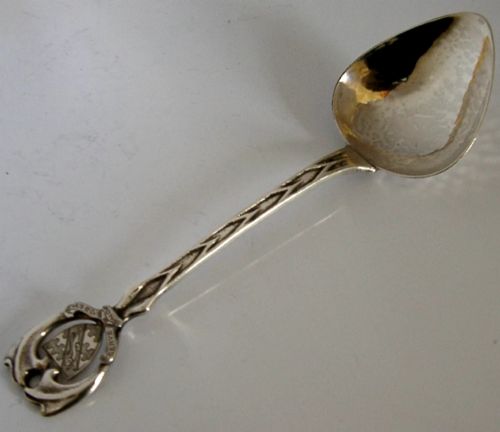
The reputation of the maker and the clarity of the assay marks significantly influence the standing of an individual piece. Work by established silversmiths or commissioned items, such as livery company spoons, carry historical documentation that enhances their interest. Preservation of original fitted cases, such as leatherette boxes for enamelled sets, also contributes to the integrity of the object.
Connell·George Unite·Walter and John Barnard
The British Silver Cutlery Glossary
- Sterling silver
- A silver alloy containing 92.5 percent pure silver by mass and 7.5 percent other metals, usually copper, to increase hardness. This standard has governed British silver production for centuries.
- Hallmark
- A series of official marks stamped on items to show the content of silver, the maker, the assay office, and the year of manufacture. These symbols provide the primary means of dating British silverware.
- Fiddle pattern
- A popular nineteenth-century flatware design featuring a stem that flares out near the terminal into a shape resembling a fiddle. It remains one of the most recognizable styles in British dining silver.
- Caddy spoon
- A short-handled spoon specifically created for measuring dry tea leaves from a tea caddy into a teapot. These miniature spoons often display inventive nineteenth-century designs.
- Basting spoon
- A large spoon used in the kitchen or at the table for scooping pan juices over roasting meat. In British silver, these are among the largest serving spoons produced.
British Silver Cutlery: Frequently Asked Questions
How do I date British silver cutlery?
Dating British silver relies on the system of hallmarks stamped directly into the metal by official assay offices. These marks include a date letter that corresponds to a specific year of manufacture.
Additional marks typically identify the maker's mark and the lion passant denoting sterling standard silver. Consulting published hallmark registers allows collectors to establish the exact provenance of a spoon or fork.
What are campaign cutlery sets?
Campaign cutlery sets were portable dining kits used by officers, travellers, and diplomats on the move during the eighteenth and nineteenth centuries. They often packed multiple utensils into a compact, durable format.
These sets were built to withstand the rigours of travel while maintaining the civilised comforts of dining away from home. They frequently incorporate materials like steel and horn alongside silver.
Can I use antique silver cutlery every day?
Sterling silver cutlery is durable enough for regular daily use provided it receives proper care and hand washing. Avoiding harsh dishwashers preserves the finish and structural integrity of older pieces.
Using antique flatware connects the modern dining table to centuries of domestic tradition. Regular handling also helps prevent tarnish from accumulating heavily on the silver surface.