






British Silver Cup
A british silver cup carries centuries of metalwork and ceramic history, offering tangible craftsmanship for your collection.
British Silver Cup
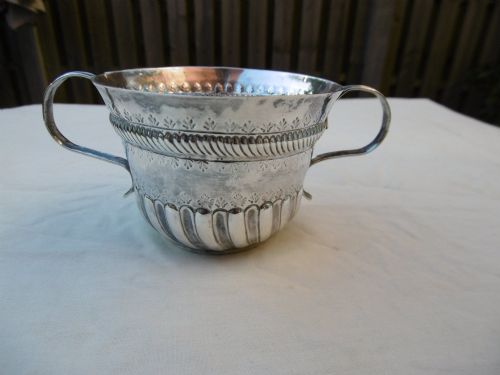
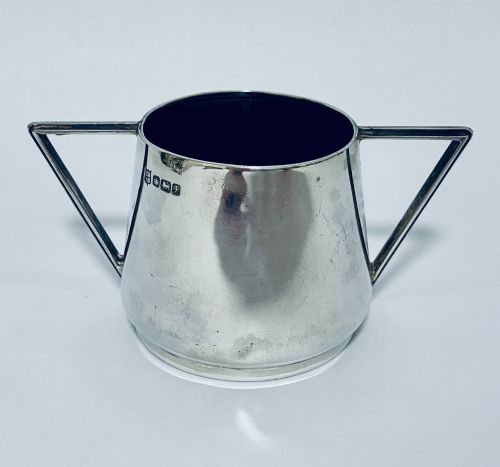
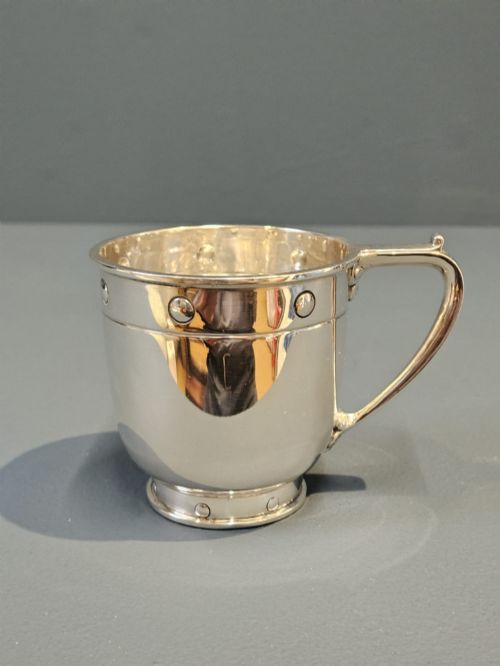
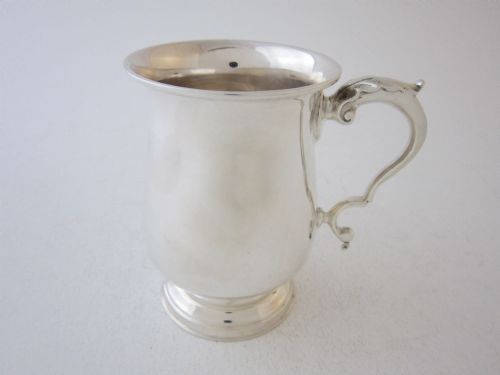
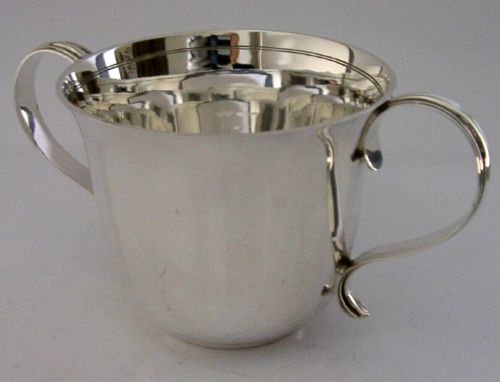
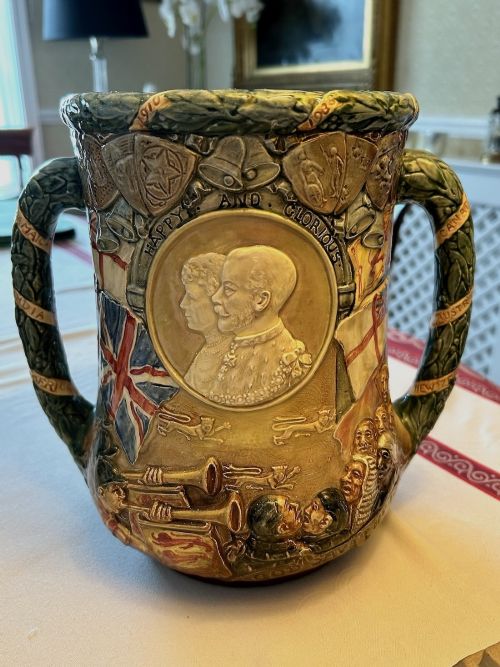
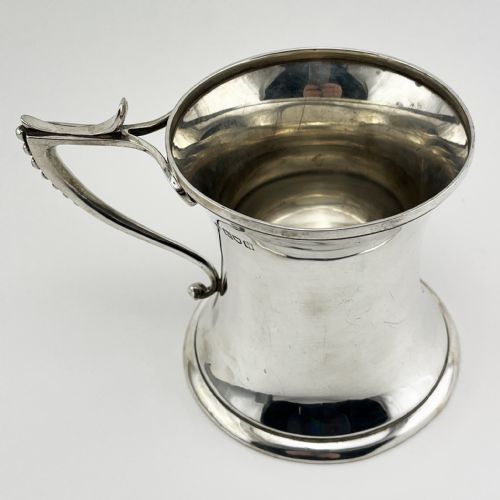
A British silver cup encompasses a variety of forms including two-handled porringers, christening mugs, loving cups, and silver-mounted stoneware beakers. These pieces emerge from periods spanning the seventeenth century through to the mid-twentieth century, showing diverse designs from William III through to Art Deco and Mid-Century British aesthetics.
The most likely versions you will encounter on this page are sterling silver mugs and bowls from the George V and Edwardian eras, alongside commemorative ceramic vessels featuring silver mounts. Makers and manufacturers range from traditional silversmiths to major potteries like Doulton Lambeth and Royal Doulton.
Materials and Techniques
Silversmiths utilised sterling silver and silver gilt, shaping metal into mugs and bowls with scroll handles or twin handles. Hallmarking provides clear evidence of origin and date, while construction methods involve hammering, casting, and joining components with precision.
Ceramic vessels incorporate stoneware and earthenware bodies, sometimes decorated by notable artists and finished with salt glazing. These ceramic bodies are frequently enhanced with silver mounts, rims, or handles that bridge pottery and metalwork traditions.
British Silver Cup Retail Price Guide 2026
Typical asking prices for british silver cup among the pieces listed under this phrase on Sellingantiques today, from the lower quarter to the upper quarter. They describe what is for sale here now, not the wider market.
Florence Barlow famously applied pâte-sur-pâte decoration to Doulton stoneware using slip squeezed from a pastry bag.
Factors of Quality
Quality in these objects rests upon the crispness of the silversmith's work, the weight of the metal, and the clarity of the hallmarks stamped into the silver. Subtleties in handle attachment, engraving, and overall form distinguish standard production items from finer workshop pieces.
For ceramic pieces with silver mounts, the artistic execution of the pottery body and the secure integration of the metalwork dictate the standard of the piece. Hand-painted or incised decoration by named artists adds distinction to ceramic bodies.
Barker Bros·Royal Doulton·Florence E Barlow·R E Stone·Doulton Lambeth
The British Silver Cup Glossary
- Sterling silver
- An alloy of silver containing 92.5 percent pure silver and 7.5 percent other metals, usually copper. This standard defines the majority of British silver items.
- Porringer
- A two-handled bowl or cup used historically for porridge or liquids. Examples often date to the seventeenth and early twentieth centuries.
- Tyg
- A large drinking vessel with multiple handles, usually ceramic. These pieces frequently date to the nineteenth century and often feature stoneware bodies.
- Hallmark
- A official mark stamped on precious metals in Britain to certify purity and origin. These stamps reveal the assay office, date letter, and maker's mark.
- Kiddush cup
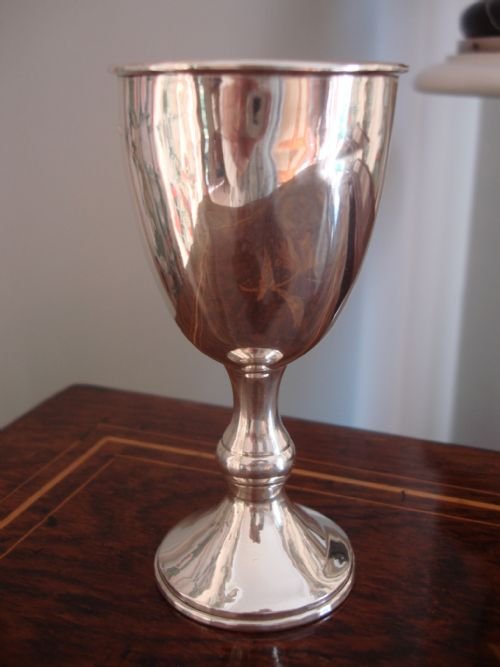
- A goblet used for sanctifying wine on Shabbat and Jewish holidays. These silver cups reflect religious ceremonial use.
British Silver Cup: Frequently Asked Questions
What is a porringer cup?
A porringer is a shallow vessel equipped with one or two horizontal handles, historically used for soft foods or liquids.
In British silver, these pieces date back to the seventeenth century and showcase early metalworking techniques.
How are christening mugs used?
Christening mugs serve as traditional gifts for newborns to mark baptism ceremonies.
Families often keep them as treasured keepsakes or decorative items rather than everyday tableware.
What is a Doulton Lambeth tyg?
A tyg is a multi-handled ceramic drinking vessel designed for communal sharing.
Doulton Lambeth produced salt-glazed stoneware versions featuring elaborate ornamentation and distinctive applied decoration.
How do I identify silver hallmarks?
Hallmarks consist of a series of tiny stamped symbols indicating the purity standard, the assay office, and the year of manufacture.
Consulting reference guides allows you to decode these marks and date your silver precisely.