





British Silver Box
A british silver box brings tactile craftsmanship into daily use, offering small-scale silverwork spanning Georgian elegance to mid-century modern design.
British Silver Box
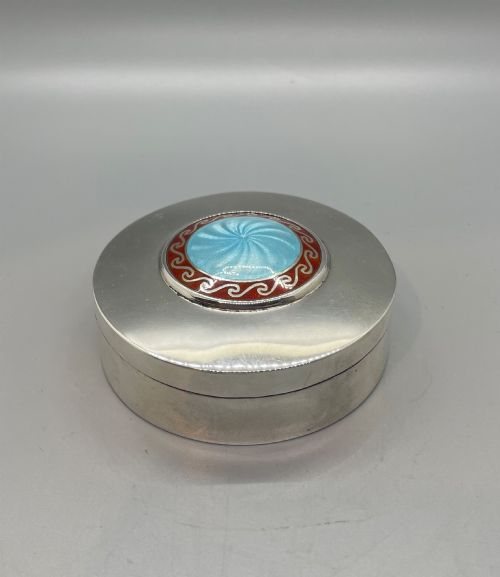
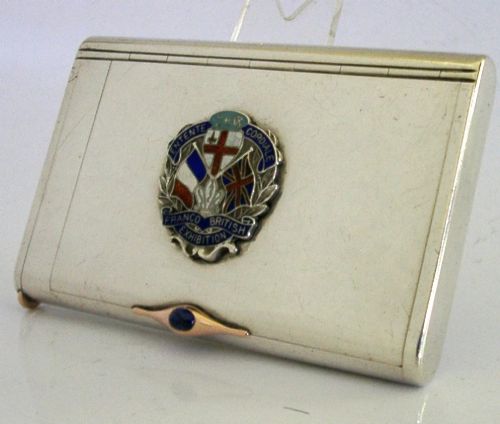
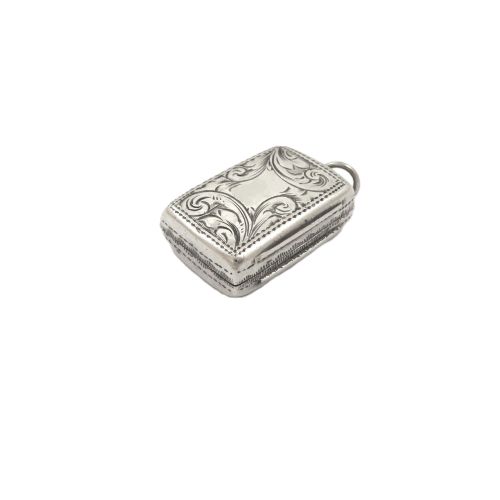
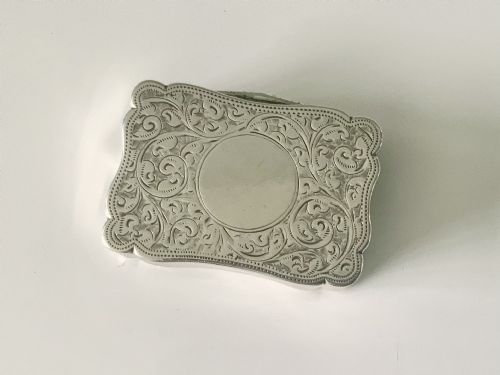
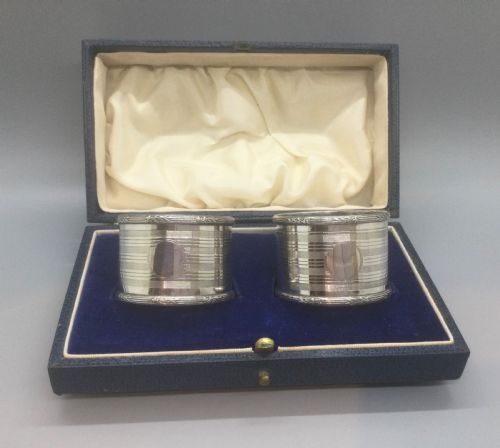
Victorian and Edwardian examples sit alongside George V and Art Deco designs, demonstrating how makers adapted these receptacles for specific domestic and personal uses over two centuries. Buyers encounter both plain polished surfaces and elaborately decorated exteriors featuring enamel work or gold highlights.
Materials and Techniques
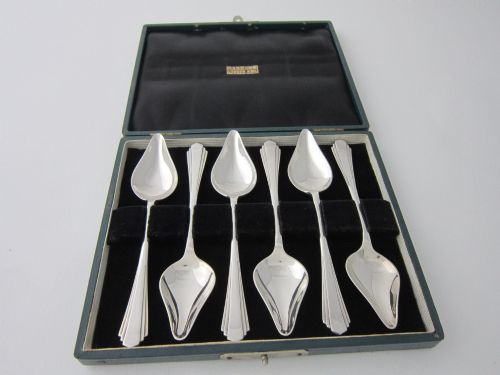
Silversmiths constructed these pieces primarily from sterling silver, employing techniques such as hammering, stamping and hand-chasing to shape the metal. Interior compartments frequently incorporate contrasting textures through the use of velvet, leatherette or satin lining.
Surface decoration relies on skilled craftsmanship including guilloche enamel and vitreous enamel applications, which fuse coloured glass powder onto textured metal bases. Makers also integrated specialised elements like pierced silver grilles inside vinaigrettes to hold aromatic sponges.
Listings feature items from the Georgian, Victorian, Edwardian, and mid-century periods, utilising sterling silver, enamel, velvet, and glass.
Markers of Quality
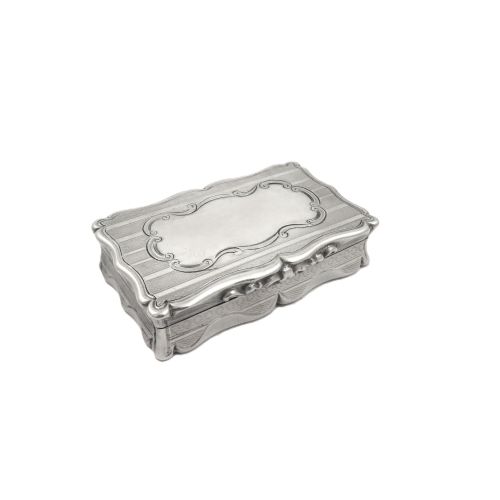
Quality in a british silver box depends on the crispness of the chased or engraved detail and the structural integrity of the hinges and closures. Superior pieces maintain tight lids that snap shut securely without play.
The presence of undamaged enamel work and clear, legible hallmarks significantly elevates a piece. Better examples show careful hand-finishing on interior surfaces and well-fitted linings of velvet or satin.
Aaron Lufkin Dennison·R E Stone·Mappin & Webb·Goldsmiths of London·REILY AND STORER
The British Silver Box Glossary
- Hallmark
- Official stamps struck into precious metals to guarantee purity, origin, and date. These marks provide a reliable anchor for dating British silver.
- Vinaigrette
- A small hinged box containing a pierced internal grille, designed to hold a sponge soaked in aromatic vinegar. Victorians carried these to mask unpleasant odours in public spaces.
- Guilloche
- A decorative technique where a precise, intricate pattern is mechanically engraved into metal beneath a translucent enamel layer. This creates a shimmering, geometric depth.
- Sterling silver
- An alloy consisting of ninety-two point five percent silver and seven point five percent other metals, usually copper. This standard ensures the durability required for functional boxes.
British Silver Box: Frequently Asked Questions
What are silver snuff boxes?
Silver snuff boxes are small pocket-sized containers engineered with tight-fitting lids to keep powdered tobacco dry and aromatic. Makers produced them in various geometric and rounded shapes from the Georgian era onwards.
Gentlemen and ladies carried these pieces for social use, displaying fine metalwork, engraving, and occasionally gilded interiors designed to resist corrosion from tobacco.
How do I date a silver box?
Dating a british silver box relies primarily on the stamped hallmarks, which include maker marks, city assay office symbols, and date letters. Each assay office used specific alphabetic cycles that correspond to exact years of testing.
Style also offers clear indicators, as the clean geometric lines of Art Deco pieces contrast sharply with the ornate floral chasing typical of Victorian and Edwardian examples.
What is a silver vinaigrette?
A silver vinaigrette is a small container specifically designed to hold a fragrant vinegar-soaked sponge. They resemble standard snuff boxes externally but feature a hinged internal grille pierced with decorative patterns.
These pieces date predominantly from the Georgian and Victorian periods, serving as personal accessories for individuals navigating unhygienic urban environments or crowded rooms.
How do I clean antique silver?
Cleaning antique silver requires mild soapy water and a soft cloth to remove surface dirt without abrading the metal. Avoid harsh commercial dips that strip away desirable patination and damage delicate enamel work.
Store silver boxes in dry environments away from direct sunlight, and if lined with velvet or satin, keep them well-ventilated to prevent moisture retention in the fabric.
What is guilloche enamel?
Guilloche enamel involves mechanical engraving of a geometric pattern onto silver before applying translucent coloured glass enamel over the top. The underlying carved pattern reflects light through the coloured glaze to create visible depth.
This technique appeared frequently on Edwardian and Art Deco accessories, adding vibrant colour to cigarette cases, pill boxes, and compacts.