



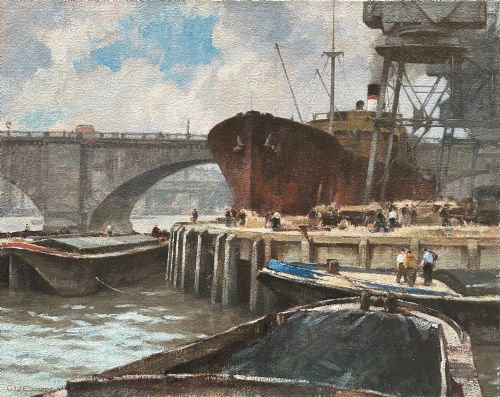
British River Scene Painting
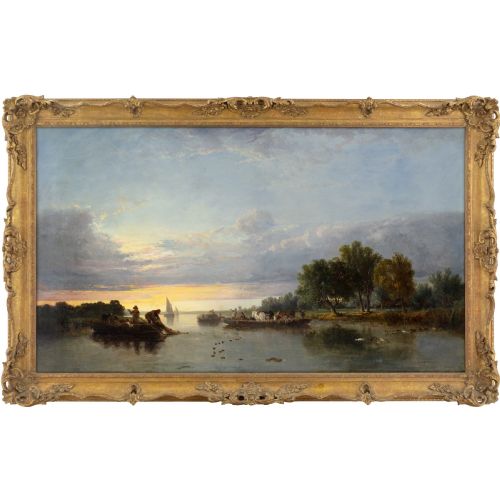
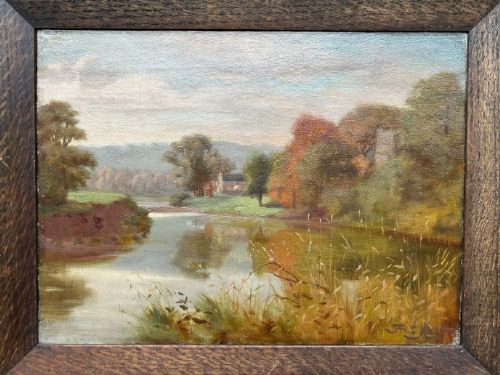
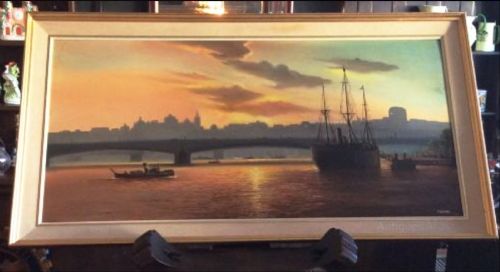
A british river scene painting captures the watercourses, banks and bridges of the countryside and capital across multiple centuries.
British River Scene Painting
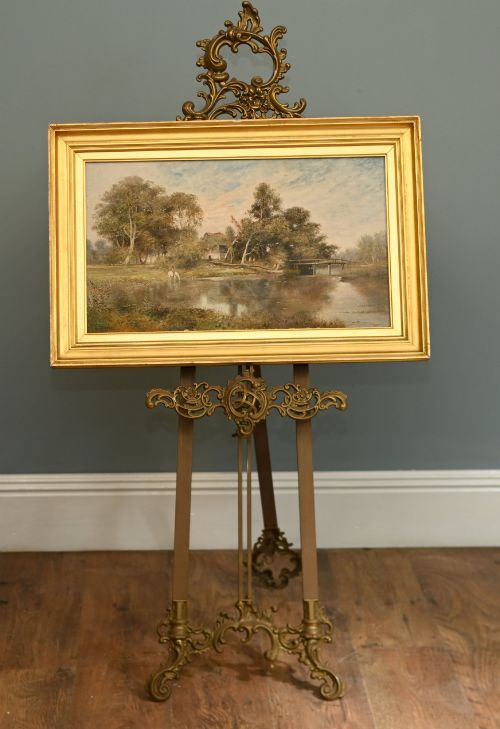
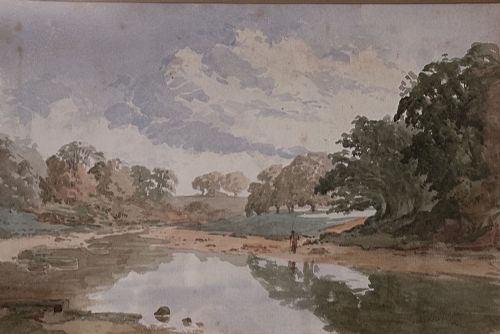
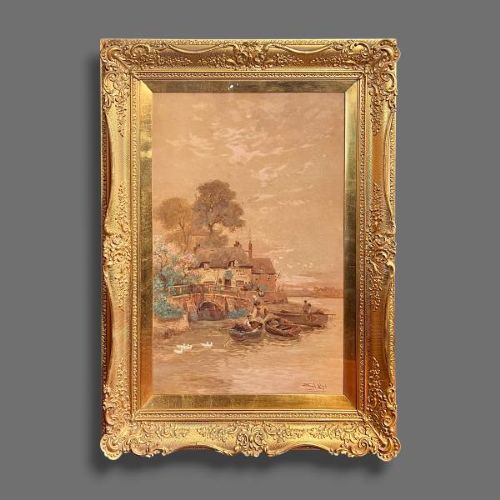
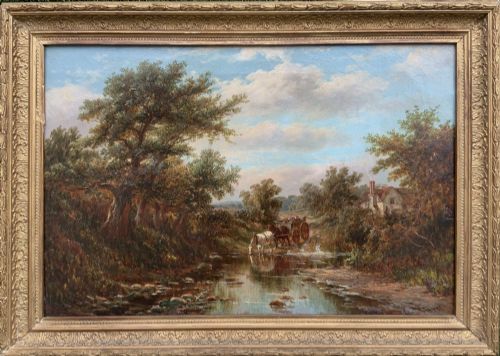
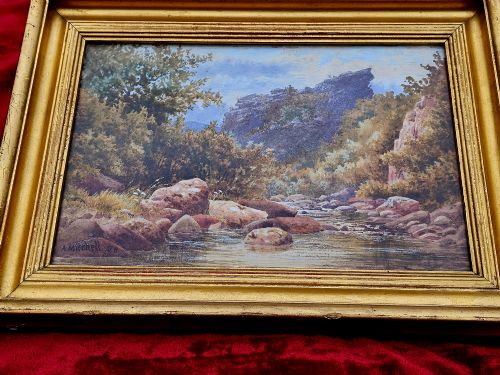
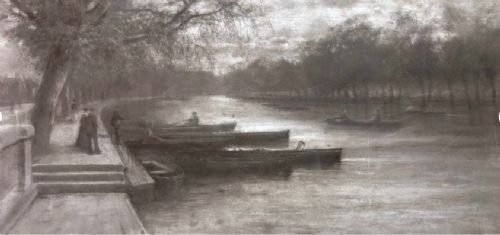
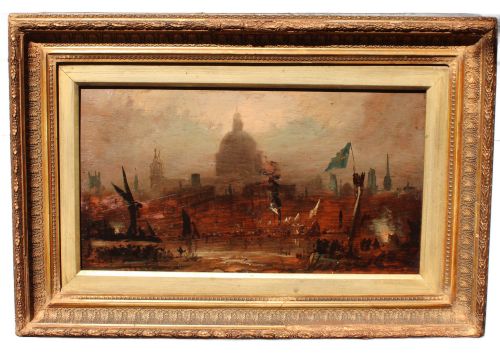
A british river scene painting portrays waterways, estuaries, and pastoral banks across the British Isles in various historic mediums. These artworks document specific locations from the Thames and the Severn to remote Welsh streams and northern rivers.
The selections available range from 19th-century Victorian watercolours to early 20th-century oils on canvas and board. Buyers encounter both detailed topographical depictions and broader atmospheric impressions executed by named painters and anonymous British school hands.
Materials and Techniques
Artisans applied oil paint to stretched canvas, wooden panels, and card, building rich textures for landscape foliage and water reflections. Watercolours on paper offered a lighter, fluid medium frequently utilised for atmospheric river valleys and coastal estuaries.
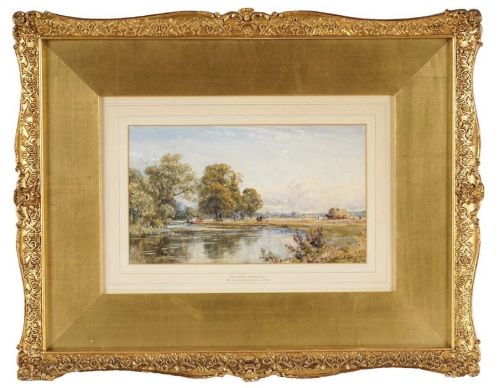
Framing typically involved giltwood or carved wood surrounds that complemented the palette of the canvas or paper within. Supporting materials included charcoal and acrylic on paper, capturing rapid preparatory sketches alongside finished studio works.
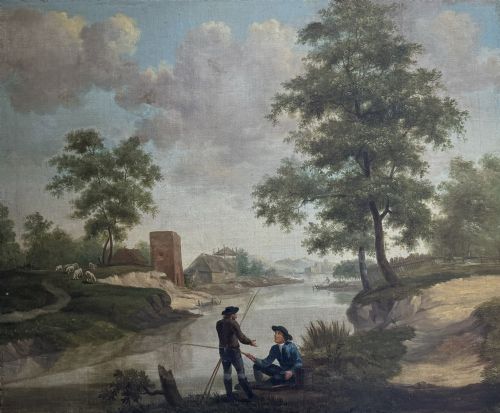
Several canvases quietly record anglers and livestock lingering by historic locks where commerce once moved at the pace of a barge horse.
Evaluating Quality
Quality rests upon the confidence of the brushwork, the handling of natural light on water, and the compositional balance between banks, figures, and sky. Stronger examples display a distinct topographical command or a deft impressionistic mood rather than formulaic repetition.
The depth of provenance and the clarity of artist attribution elevate specific works above standard anonymous school pieces. Preservation of the original paper or canvas, alongside period frames, preserves the integrity of the painting.
Kenneth Cozens·George Graham·Alfred Young Nutt·Frederick Marriott·William Joseph Boyes·Robert Thorne Waite·Cyril Walduck Edwards·George Oyston·Herbert Royle·Florence Adelina Hess·T C Hofland·Henry H Parker·David Cox·Frederick Hines·Sydney Yates Johnson·Hubert Wellington·Thomas Baker·Arthur Herbert Rigg·John Bell·Henry John Kinnaird·Stuart Lloyd·J Phipps·Thomas Spinks·Robert John Hammond·David Watts
The British River Scene Painting Glossary
- Watercolour
- A paint consisting of pigment suspended in a water-based solution, traditionally applied to paper to achieve translucent washes.
- Giltwood
- Wood that has been treated with a thin layer of gold leaf or gilt powder, commonly found on traditional picture frames.
- Panel
- A flat piece of wood used as a rigid support for oil paintings prior to the widespread adoption of canvas.
- Provenance
- The chronological record of ownership and exhibition history that establishes the authenticity and history of an artwork.
British River Scene Painting: Frequently Asked Questions
What periods do these paintings cover?
The works span from the 18th century through the Victorian era into the mid-20th century. Examples include foundational academic studies alongside later impressionistic interpretations.
Each period utilises distinct palettes and supports, reflecting the changing aesthetic priorities of British landscape artists over generations.
How were these river scenes used?
Historic owners displayed these artworks within domestic parlours, drawing rooms, and studies to bring rural scenery indoors. Many served as records of familiar local waterways or memorable travel destinations.
Artists also produced smaller studies on panel or paper as preparatory works for larger academy exhibitions.
How do I live with antique watercolours?
Paper works require careful placement away from direct sunlight to prevent the fading of delicate watercolours and pigments. Maintaining stable indoor humidity levels protects both the paper substrate and the integrity of the antique frame.
Glazing with appropriate conservation glass further safeguards works on paper from environmental degradation.
How do I distinguish school works from named artists?
Works attributed to a British School lack a specific individual master's signature but exhibit the stylistic conventions of a particular era. Signed pieces carry the distinct hand of a recorded artist whose biographical dates provide a tighter window of creation.
Comparison with documented exhibition pieces helps clarify the origin of unsigned landscapes.