

British Oil Portrait Canvas
A british oil portrait canvas brings centuries of society, character, and craftsmanship directly to your walls.
British Oil Portrait Canvas
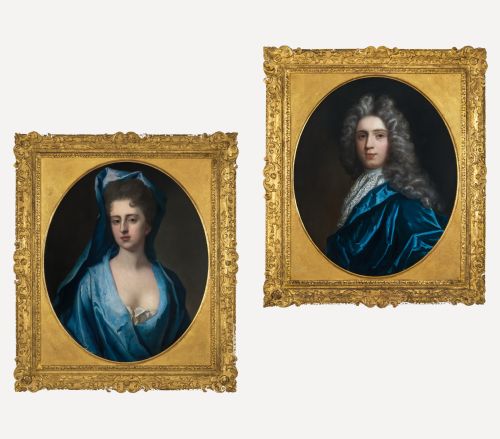
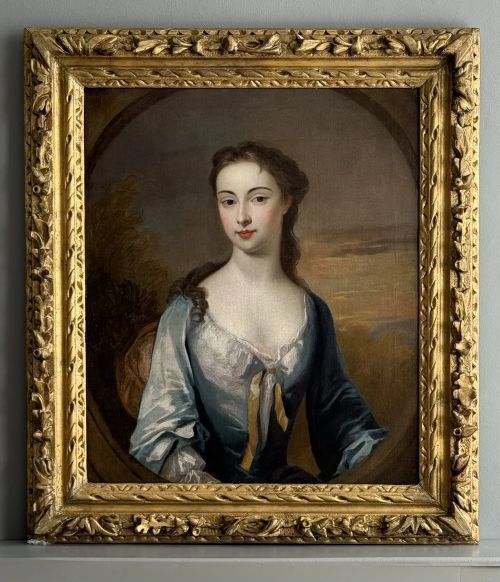
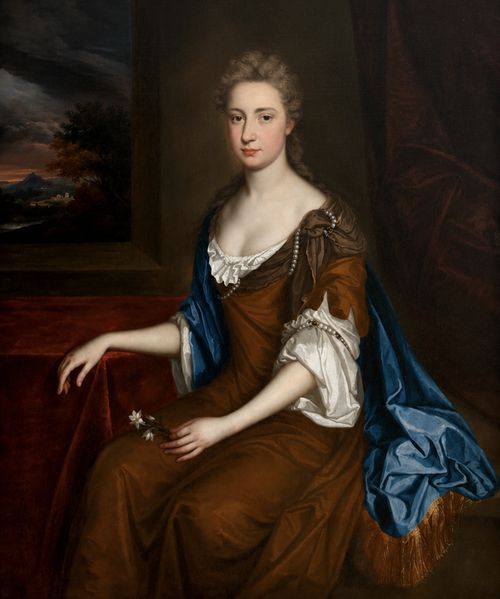
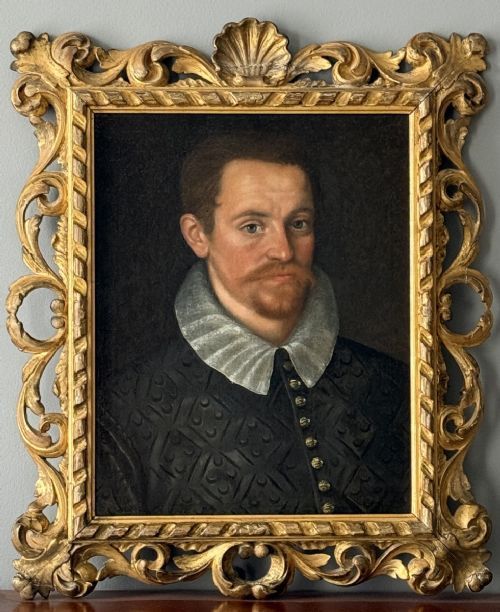
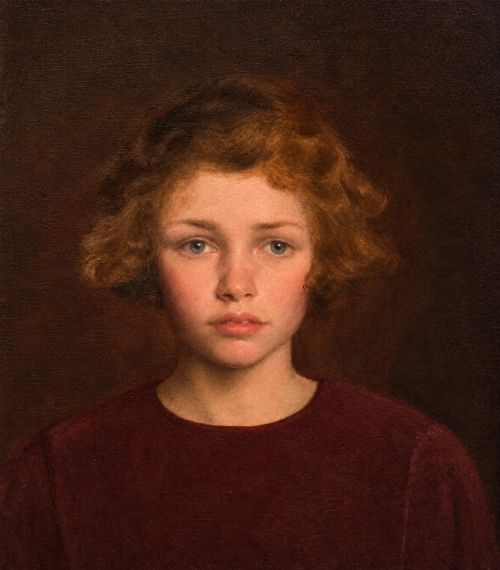
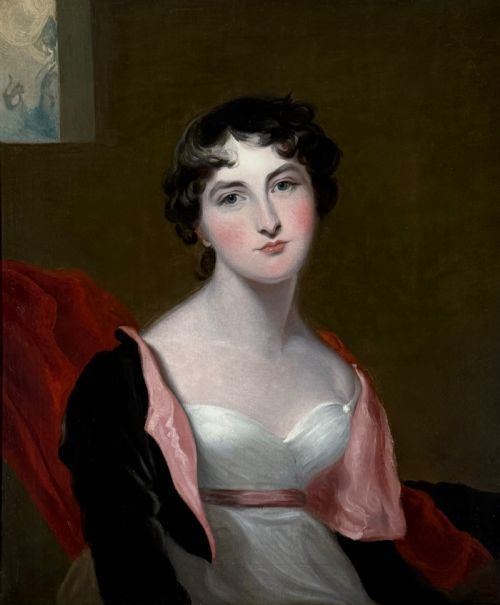
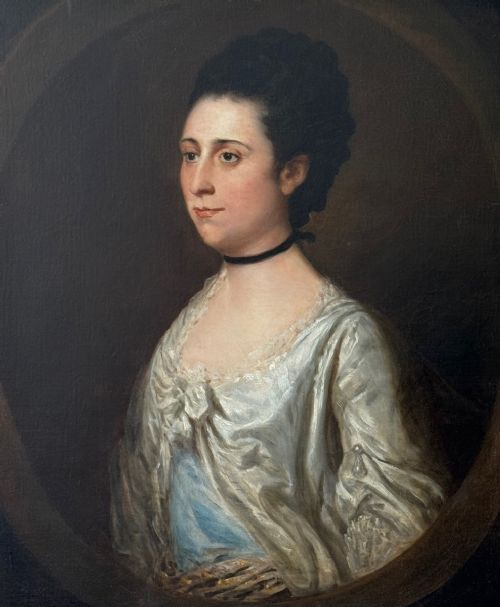
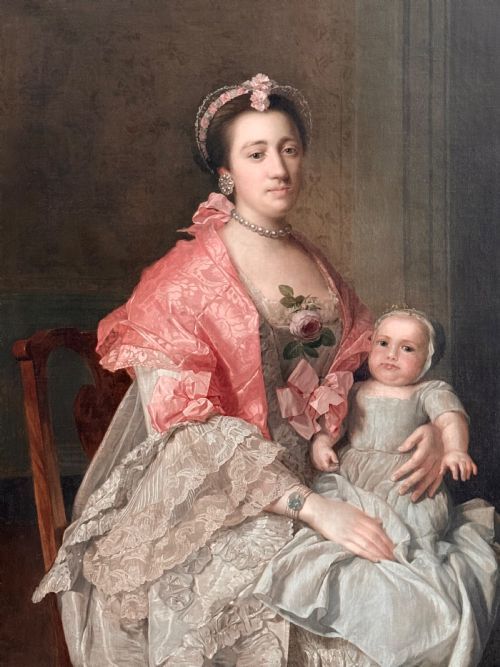
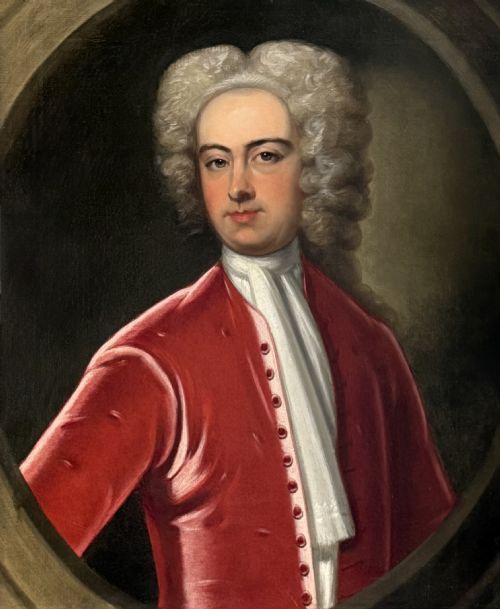
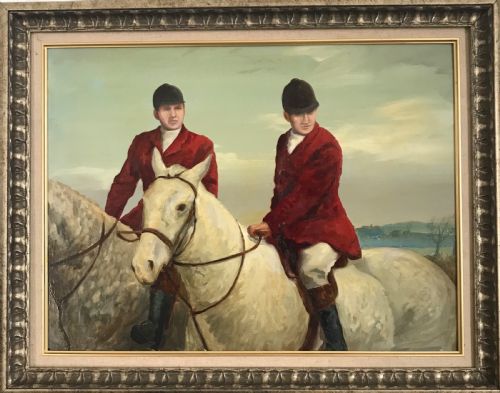
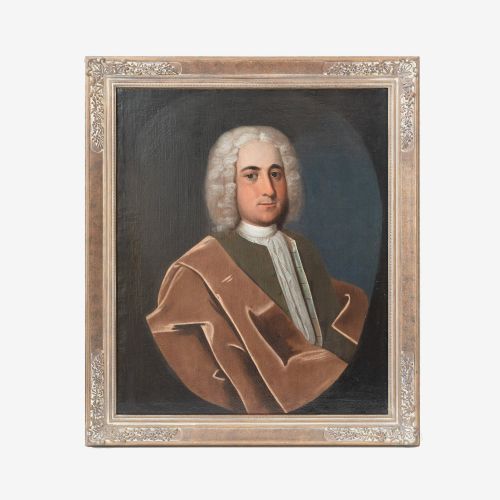
A british oil portrait canvas captures subjects ranging from seventeenth-century nobility in elaborate ruffs to nineteenth-century officers, ladies, and children. You will find works spanning the seventeenth, eighteenth, and nineteenth centuries, alongside Victorian examples and mid-twentieth-century pieces.
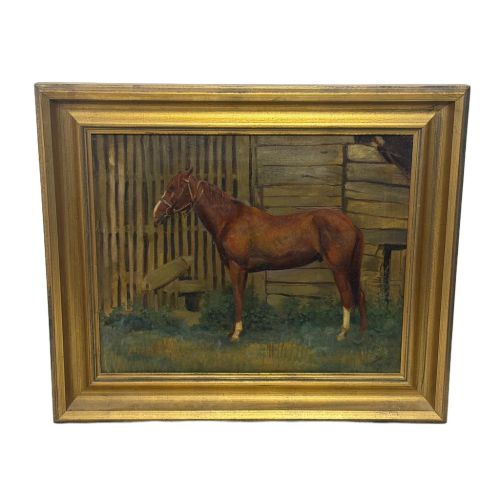
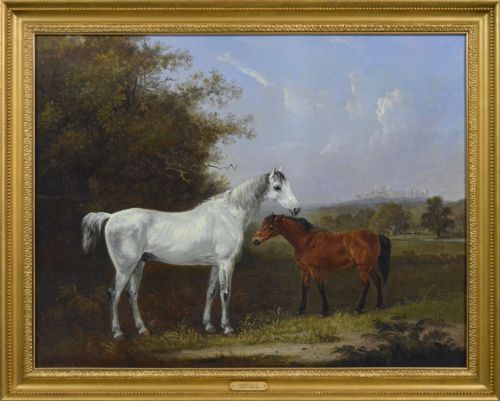
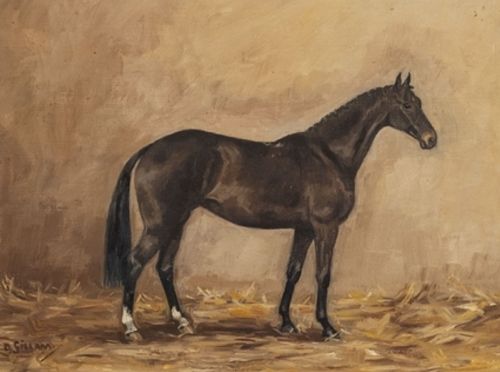
The selection encompasses formal studio commissions, circle-of attributions to notable painters, and works by the British School. Beyond human subjects, the category extends to sporting animals, prize bulls, and racing pigeons rendered in oils.
Materials and construction
Artists painted primarily in oil on woven canvas supports, occasionally utilising board where canvases were laid down for stability. Frames formed an integral part of the presentation, frequently constructed from carved wood, giltwood, or finished with gold leaf.
The application of oil paint allowed for subtle layering of pigment, deep shadows in drapery, and luminous flesh tones. Pigments were worked onto stretched canvas using traditional bristle brushes to build texture and depth over time.
Materials recorded across the archive include oil paint, stretched canvas, gold leaf, and carved giltwood framing.
Distinctions in quality
The provenance and strength of attribution also influence standing, distinguishing accomplished studio output and named artists from anonymous regional provincial works.
Sir Martin Archer Shee·Sir Peter Lely·Charles Jervas·John Opie·Thomas Beach·Sir Joshua Reynolds·Jean Baptiste Van Loo·Sir Godfrey Kneller
The British Oil Portrait Canvas Glossary
- Canvas
- A heavy woven fabric stretched across a wooden frame to serve as the foundational support for oil paintings.
- Giltwood
- Wood carved and surfaced with a thin layer of gold leaf or metallic powder, commonly used for period picture frames.
- Attributed to
- A designation used when a work shows the style of a specific master but lacks definitive documentation confirming direct authorship.
- British School
- A term applied to paintings produced by artists working in Britain whose specific individual identities remain unrecorded.
- Baroque
- An ornate artistic style spanning the seventeenth and early eighteenth centuries, characterised by drama, rich colour, and deep contrast.
British Oil Portrait Canvas: Frequently Asked Questions
How do I date a portrait canvas?
Dating relies heavily on the style of clothing, hairstyles, and ruffs or collars worn by the sitter. Costume historians use these specific sartorial details to narrow down the decade.
Secondary clues include the stretcher construction behind the canvas, framing styles, and the type of canvas weave utilised by the artist.
What does attribution to a circle mean?
Attribution to a circle indicates that the painting originated in the workshop or immediate following of a master artist. These works reflect the direct stylistic influence and techniques of the named painter.
Such pieces offer high artistic competency from the period without commanding the documentation of a signed primary work.
Are animal portraits common in this category?
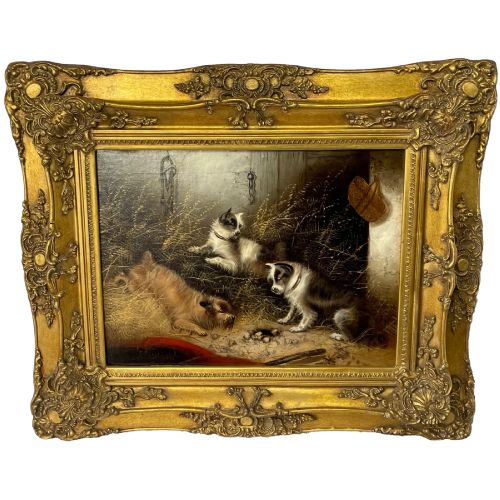
Animal subjects appear regularly alongside human sitters in British art history. Listings include prized shorthorn bulls, hunting dogs, lurchers, and racing pigeons.
Wealthy landowners and breeders commissioned these canvases to document prized livestock and sporting animals with the same seriousness as family members.
How should I hang an oil painting?
Oil paintings require stable wall environments away from direct sunlight, heating vents, and damp exterior walls. Consistent temperature and humidity protect both the canvas support and the oil pigments.
Secure hanging utilises robust picture hooks rated well above the combined weight of the canvas and its heavy giltwood frame.