




Regency Woman Portrait Painting
A regency woman portrait painting captures the elegance and distinct character of the period through oils, watercolours, and pastels.
Regency Woman Portrait Painting
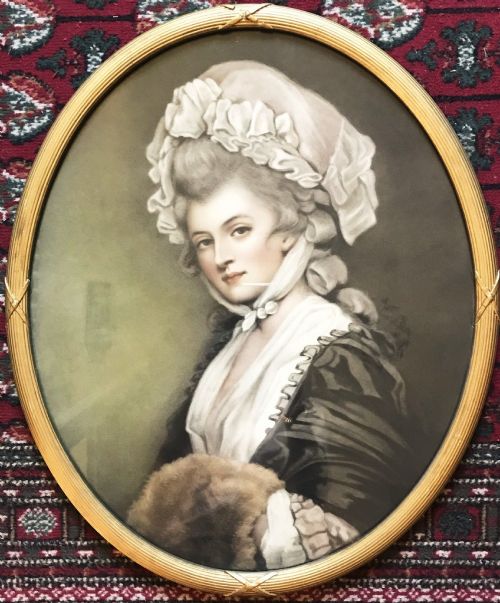
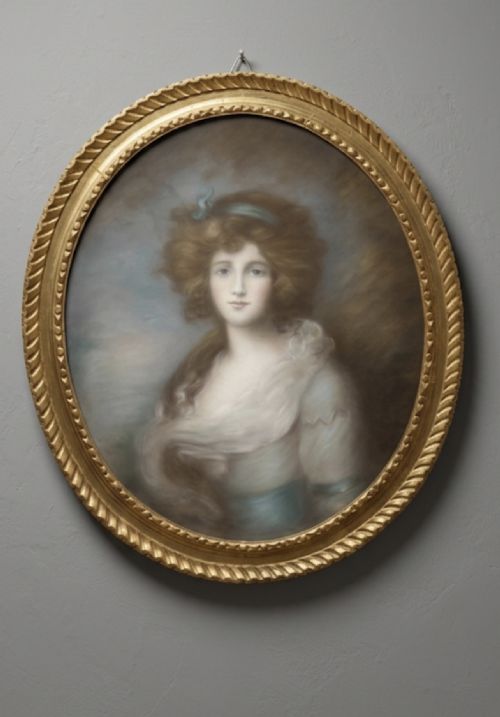
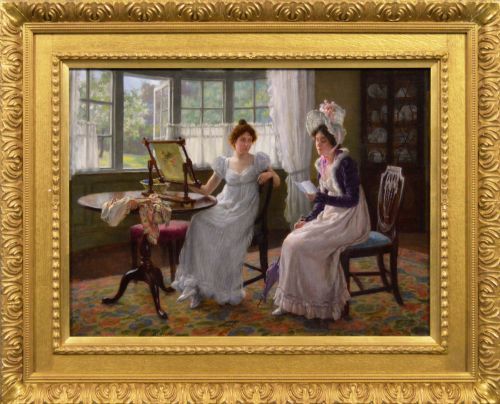
A regency woman portrait painting typically depicts female subjects in oil on canvas, pastel, watercolour, or gouache, originating from the Georgian and Regency eras through the nineteenth century. These works frequently appear as framed wall art, small watercolour studies, or delicate miniature portraits.
The pieces on this page range from oil paintings on canvas to intimate portrait miniatures on ivory and porcelain plaques, often housed in original maple or giltwood frames. Collectors encounter everything from full-scale oils attributed to British schools to delicate gouache miniatures by named artists.
Subjects often wear period attire such as bonnets, feather hats, or white dresses, sometimes accompanied by accessories like coral necklaces. Many capture specific sitters from history, such as novelists or actresses, alongside anonymous female models.
Materials and Technique
Artists of the period painted primarily with oil on canvas, though pastel and gouache on paper were equally common for intimate portraiture and preparatory studies. Miniatures required immense precision, executed on materials such as ivory or porcelain plaques with fine watercolours.
Frames played an integral role in presentation, utilising carved giltwood or polished maple to complement the artwork. Glazing protected delicate works on paper and miniature watercolours from environmental damage.
Several ladies in these portraits sport elaborate feather hats and bonnets that defy modern notions of practical headwear.
Evaluating Quality and Execution
Original framing significantly elevates a piece, particularly when period maple or giltwood surrounds the canvas or paper intact. The strength of provenance, whether linked to a documented studio or a known sitter, further separates decorative examples from collector-grade pieces.
Sir Thomas Lawrence·Thomas Gainsborough·Charles Haigh Wood·Emma Kendrick·Edward Smyth·William Owen·George Henry Harlow
The Regency Woman Portrait Painting Glossary
- Gouache
- An opaque watercolour medium used to achieve rich, matte colour and fine detail in portrait miniatures.
- Pastel
- A dry medium consisting of pigment and binder, favoured during the period for soft tones and immediate textures.
- Portrait Miniature
- A small, highly detailed painting, frequently executed on ivory, porcelain, or vellum for intimate gifting or collection.
- Giltwood
- Wood carved and coated with gold leaf, commonly used for traditional portrait frames during the Regency and Georgian eras.
- English School
- A term denoting British artists working within a shared national tradition during a specific century, often anonymous.
Regency Woman Portrait Painting: Frequently Asked Questions
How do I date a regency portrait?
Dating relies on the sitter's costume, hairstyles, and framing materials, alongside any signatures or biographical details on the reverse.
Regency portraits typically feature high-waisted dresses, soft curls, and specific framing styles characteristic of the early nineteenth century.
Are these portraits original period pieces?
The selection includes authentic works produced during the Georgian and Regency eras, alongside nineteenth-century copies and studies after earlier masters.
Examining the canvas, paper support, and pigments helps determine the exact age and origin of each artwork.
How should I display antique portrait paintings?
Display these works away from direct sunlight and fluctuating humidity to protect delicate watercolours, pastels, and oil on canvas.
Ensure wall fixings securely support the weight of original giltwood or maple frames without straining the structure.
What is the difference between miniatures and standard portraits?
Miniatures are exceptionally small portraits painted on ivory, paper, or porcelain, designed for personal viewing or small spaces.
Standard portraits are larger oil paintings on canvas intended for prominent display on interior walls.