

British Impressionist Canvas
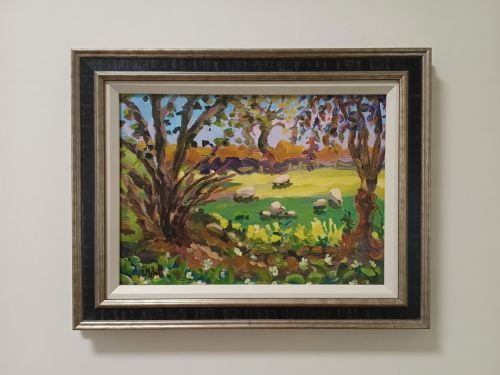
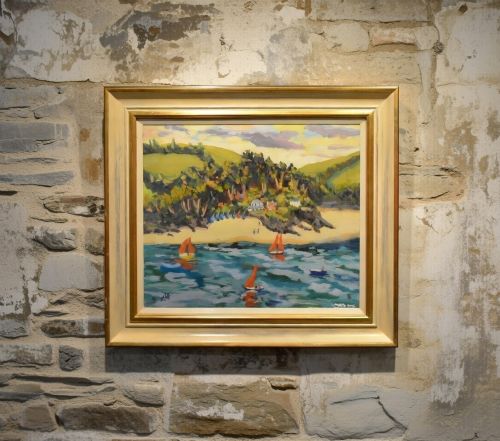
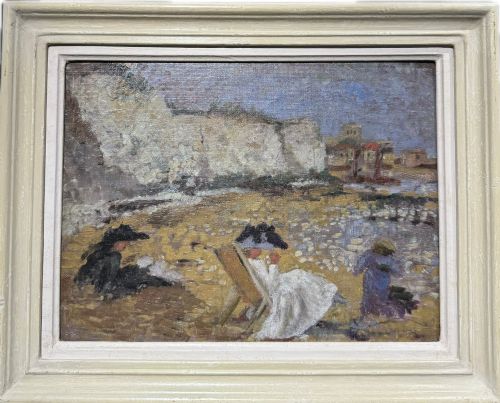
A british impressionist canvas captures light and domestic or coastal scenery through textured oil paint laid upon fabric support.
British Impressionist Canvas
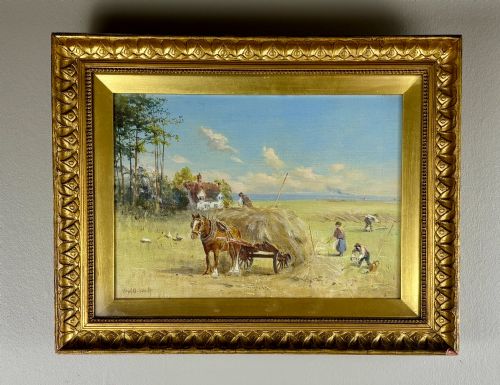
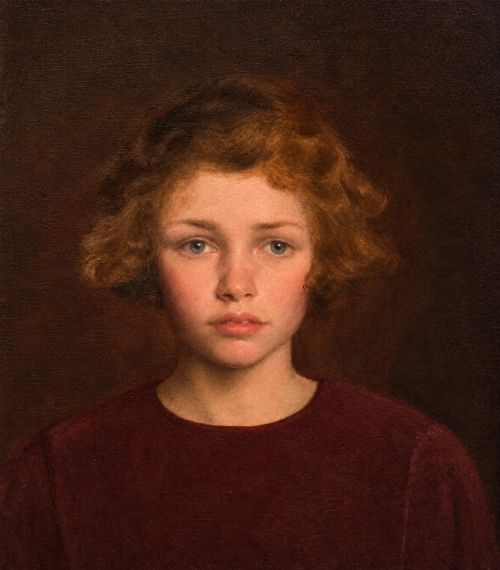
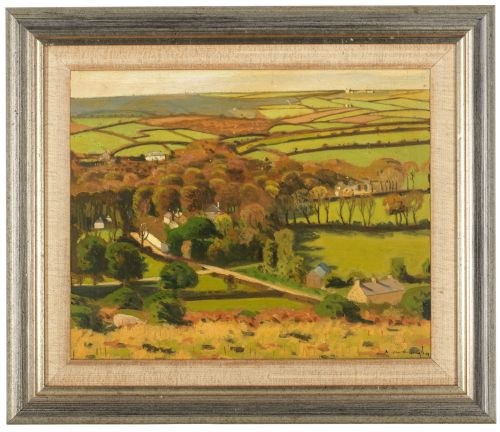
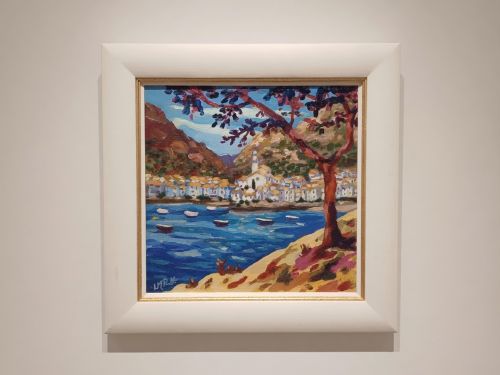
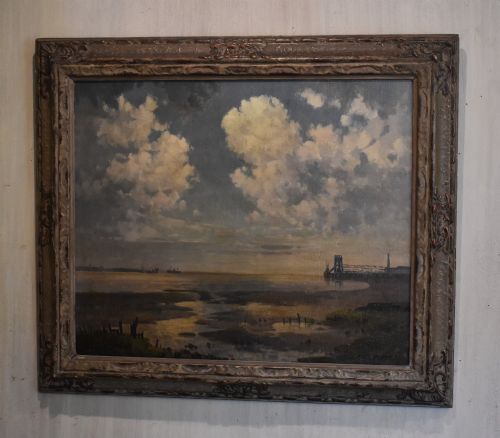
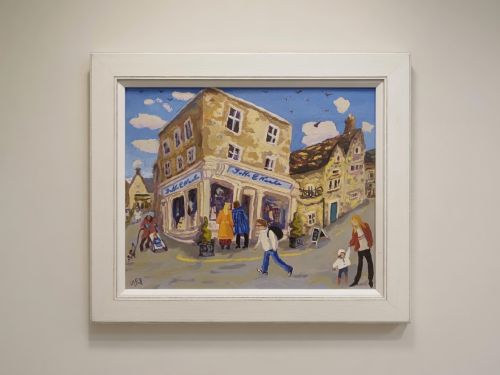
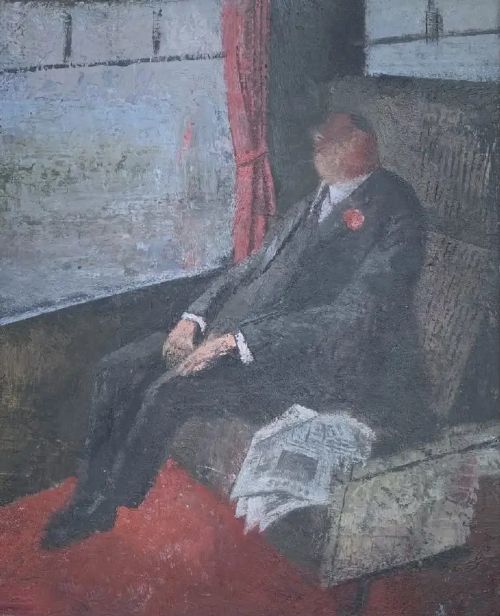
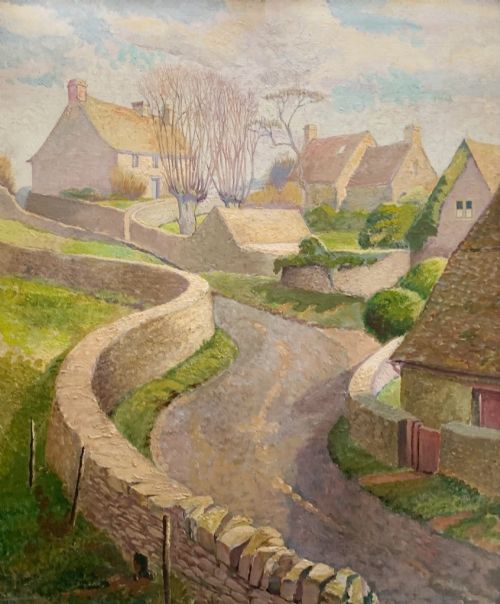
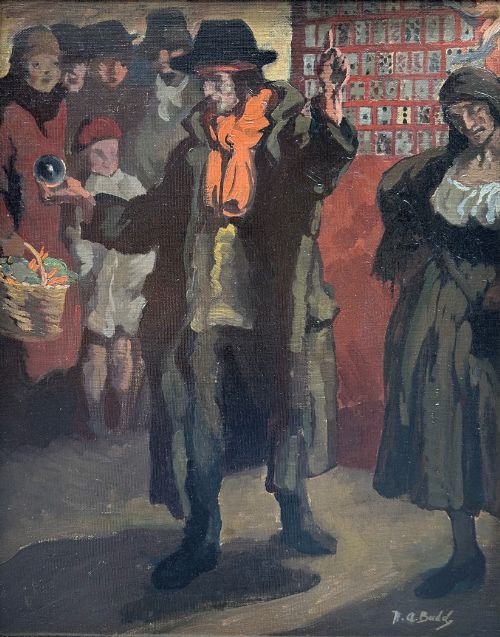
A british impressionist canvas brings together works from the nineteenth century through the mid twentieth century, encompassing styles such as modern british, post-impressionism, and british realism. Collectors encounter marine landscapes, country scenes, floral still lifes, and portraits executed with varying degrees of loose brushwork.
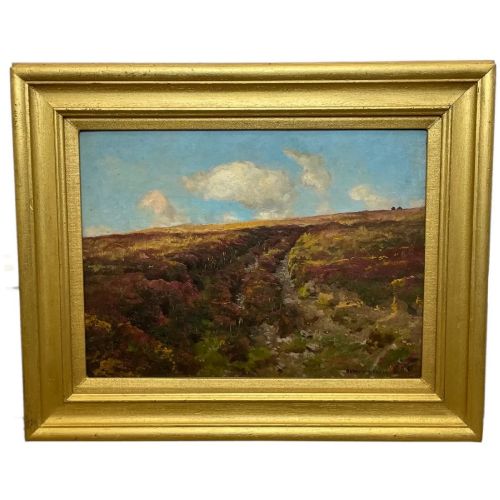
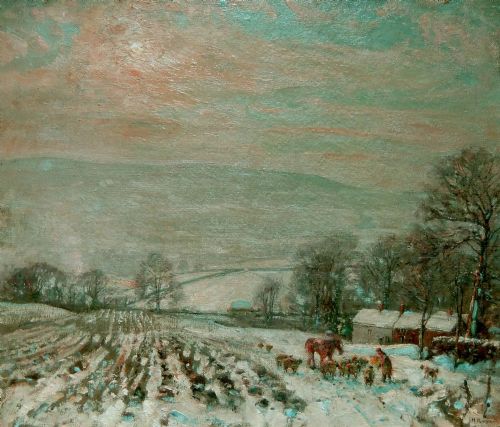
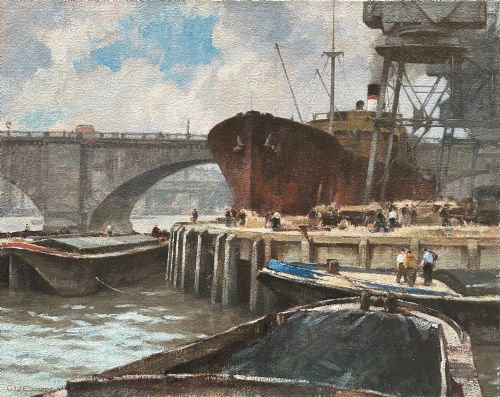
The subjects range from coastal views in Cornwall and Yorkshire landscapes to urban street scenes and studio self-portraits. Artists capture specific regional light, whether on the Dorset coast or near London Bridge, often working outdoors directly from nature.
Many examples originate from named practitioners working across different decades of the twentieth century, accompanied by pieces attributed to regional British schools or studio circles. The primary support remains woven fabric stretched across wooden frames, frequently housed in gilt and gesso frames.
Materials and Techniques
Painters applied oil paint directly onto stretched canvas supports using loaded brushes, palette knives, or a combination of both to build visible texture. The resulting impasto surfaces capture the immediacy of outdoor light and atmospheric shifts.
Wooden stretchers and frames embellished with gesso and gilt complete the physical construction, providing structural tension for the textile and a finished boundary for the composition. The interplay between the oil pigment and the woven fabric ground defines the structural integrity of each work.
Several canvases record local sheep, stableyard ponies, and Dartmoor horses observing the painter right back.
Factors That Distinguish Quality
Quality rests upon the confidence of the brushwork and the artist's command of light, colour harmony, and spatial depth within the composition. Stronger examples display purposeful handling of pigment that animates the subject without relying on excessive detail.
The integrity of the canvas support, the stability of the oil paint layer, and the preservation of the original gilt and gesso frame contribute significantly to the standing of a piece. Works retaining their historical framing and stable paint surfaces hold greater visual coherence.
George Graham·Clifford Hanney·Arthur Wardle·Herbert Royle·Robert Morson Hughes·Lucy Pratt·Clive Browne·Cyril Walduck Edwards·Herbert Ashwin Budd·Alfred Wolmark·Eric Brown·Gladys Marguerite Baker·Ernest Higgins Rigg·John Hodgson Lobley·Sir Alfred East·Cecil Allan Mould·Thomas Hodgson Liddell·Philip Naviasky·Ronald Ossory Dunlop·William Thomas Wood·John Holland·John Horace Hooper·Owen Bowen·Joseph Edward Hennah·Charles Walter Simpson
The British Impressionist Canvas Glossary
- Impasto
- Paint applied thickly to a canvas, leaving prominent brush or palette knife marks that stand proud of the surface. This technique catches natural light to create physical depth and tactile energy.
- Gesso
- A plaster-like mixture applied to wooden frames as a smooth base before gilding or painting. It provides a crisp surface that accepts metallic leaf and decorative moulding.
- Gilt
- A thin layer of gold leaf or gold paint applied to the surface of a wooden frame. This decorative finish enhances the framing boundary around an oil painting.
- Post-Impressionism
- An artistic movement following impressionism that explores emotional resonance and structural form rather than optical realism alone. Artists working in this idiom prioritize expressive colour and simplified shapes.
- Stretcher
- The wooden frame framework that holds a painted canvas taut under tension. Traditional designs utilise corner keys to allow minor adjustments to fabric tension over time.
British Impressionist Canvas: Frequently Asked Questions
What defines a british impressionist canvas?
These works combine the atmospheric light studies of continental impressionism with distinct British landscapes, coastal views, and domestic subjects. Painters utilised expressive oil techniques on fabric supports to record fleeting natural effects.
Most examples date from the late nineteenth century through the mid twentieth century, reflecting shifting regional styles from Cornwall to Yorkshire. The focus remains on painterly execution rather than strict academic realism.
How should I care for an oil painting on canvas?
Keep the artwork away from direct sunlight, high humidity, and rapid temperature fluctuations that can cause the canvas fabric or wooden stretcher to warp. Maintain stable indoor environmental conditions to protect the oil paint layer.
Dust the surface gently with a soft, dry brush without applying pressure to the impasto texture. Avoid using liquid cleaners or chemical solvents on either the painted canvas or the gilt frame.
How can I tell different painting periods apart?
Earlier works from the Victorian era and early twentieth century tend toward tonal balance and traditional regional scenery. Mid-century pieces often embrace looser brushwork and brighter palettes influenced by modern developments.
Examining the canvas preparation, stretcher construction, and framing style provides additional chronological context. Signatures, exhibition labels, and artist inscriptions on the reverse offer definitive dating clues.
Where were these paintings typically displayed?
Original owners hung these works in domestic drawing rooms, country houses, and urban townhouses to bring natural light and rural scenery indoors. Many pieces also appeared in regional exhibitions and annual gallery shows.
The inclusion of original gilt and gesso frames indicates that makers designed these canvases for prominent interior display from the outset.