



British Figurative Sketch
A british figurative sketch captures character and form through direct hand-applied media, offering an immediate glimpse into twentieth-century artistic vision.
British Figurative Sketch
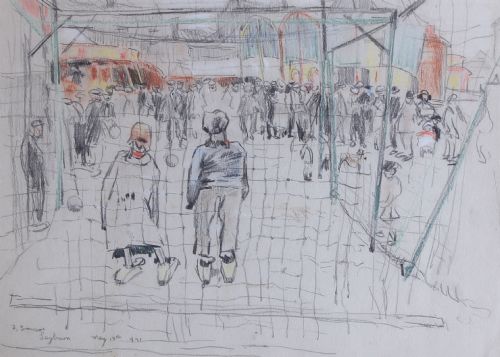
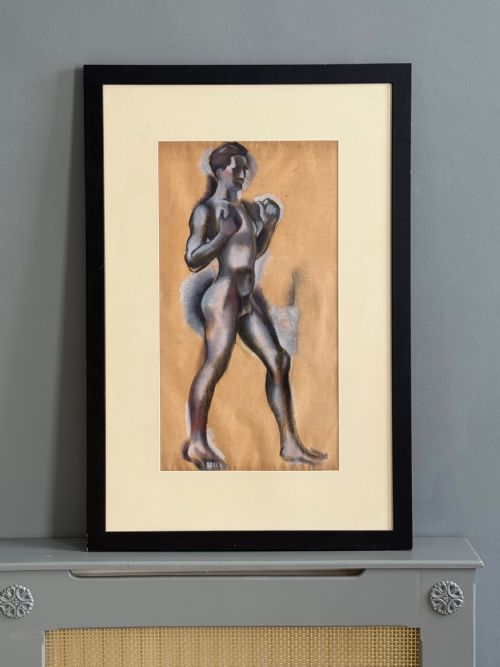
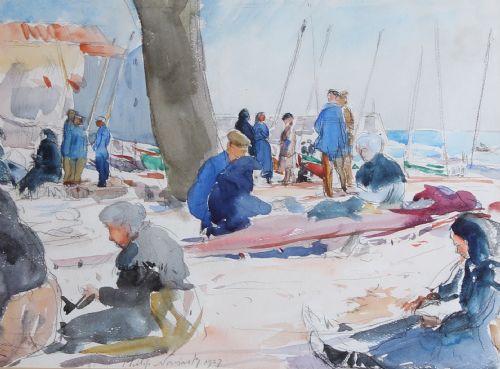
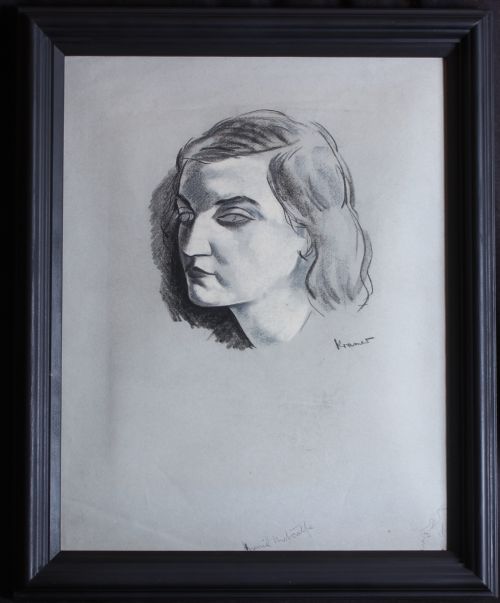
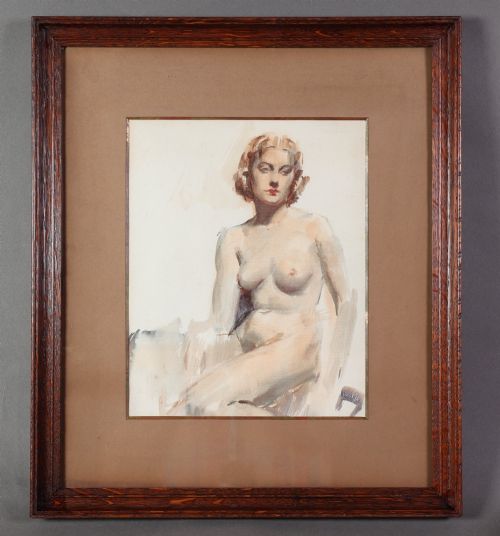
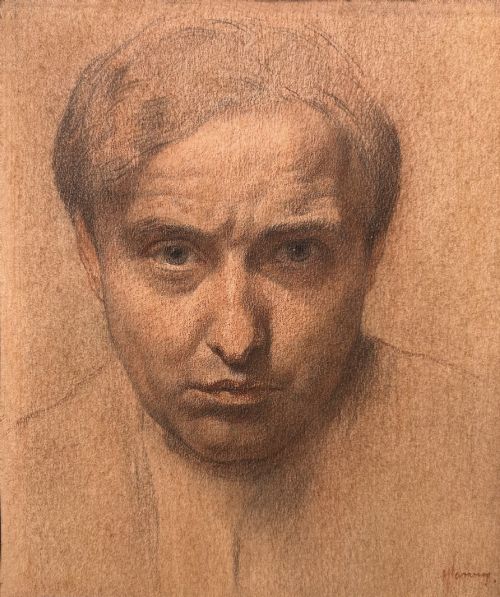
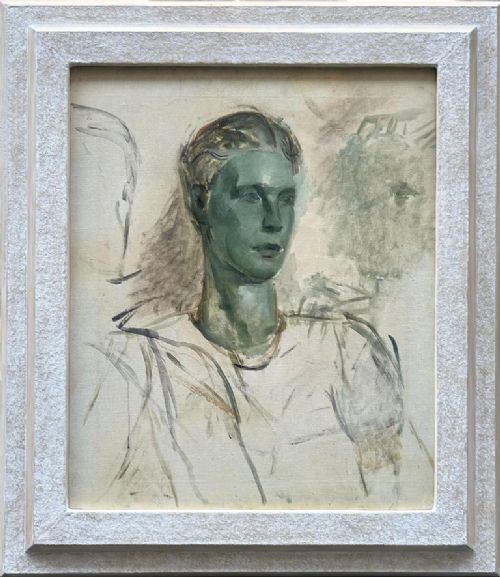
A british figurative sketch embodies the human form and portraiture through varied twentieth-century practices, spanning the nineteen-hundreds to the nineteen-sixties. These works range from quick pencil studies to finished watercolours and pastels.
Makers on this page include known artists such as Philip Naviasky, Jacob Kramer, James Stroudley, Oliver Messel, Herbert Johnson Harvey, John Merrifield, Augustus Edwin John, Raoul Millais, Denis William Reed, Lucien Freud, Frank Dobson, Dame Laura Knight, and Sonia Lawson R.A. Anonymous examples from the British School also appear.
Subjects encompass coastal scenes, portraits, Olympic themes, ballet dancers, funfairs, and reclining figures. Each piece functions as wall art, original artwork, or framed artwork.
Materials and Techniques
Artists executed these works on paper using ink, charcoal, pastel, watercolour, graphite, and pen. Some examples incorporate lithograph bases or framing behind glass.
The combination of dry media like charcoal and graphite with wet media such as watercolour and ink creates distinct linear dynamics and tonal depth across the surface.
British Figurative Sketch Retail Price Guide 2026
Typical asking prices for british figurative sketch among the pieces listed under this phrase on Sellingantiques today, from the lower quarter to the upper quarter. They describe what is for sale here now, not the wider market.
Listings feature works created on paper using ink, charcoal, glass, pastel, watercolour, and graphite across various twentieth-century decades.
Assessing Quality
Quality rests in the economy of line and the confidence of the mark-making, distinguishing a hurried jotting from a decisive study. The handling of medium directly shapes the vitality of the human subject.
The preservation of the paper support and the vibrancy of watercolours, inks, and pastels influence the visual impact of the composition.
Philip Naviasky·Jacob Kramer·James Stroudley·Herbert Johnson Harvey·John Merrifield·Augustus Edwin John·Raoul Millais·Denis William Reed·Lucien Freud·Frank Dobson·Dame Laura Knight·Sonia Lawson R.A.
The British Figurative Sketch Glossary
- Watercolour
- A paint consisting of a pigment suspended in a water-based solution. It is applied to paper to create translucent washes.
- Pastel
- A dry art medium in the form of a stick, consisting of powdered pigment and a binder. It produces rich, velvety colour fields.
- Graphite
- A form of carbon used as a drawing material in pencils. It allows for varied tonal shading and precise line work.
- Triptych
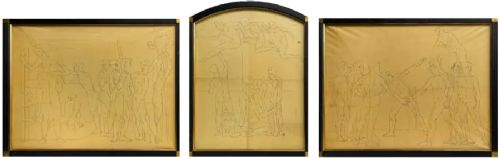
- A piece of artwork divided into three sections or panels. These panels are displayed together to form a single visual narrative.
- Lithograph
- A print technique from a flat surface treated to repel or accept ink. Artists occasionally draw over these prints with pastel.
British Figurative Sketch: Frequently Asked Questions
What is a british figurative sketch?
A british figurative sketch is an original artwork on paper focusing on human subjects, created by artists working in Britain during the twentieth century.
These pieces utilise media such as pencil, ink, charcoal, and watercolour to capture portraits, dancers, nudes, and everyday scenes.
How should I frame works on paper?
Works on paper require framing behind glass with acid-free mounts to protect the delicate medium from dust, moisture, and ultraviolet light.
Keeping the paper from direct contact with the glass preserves the integrity of charcoal, pastel, and watercolour layers over time.
How do I date these drawings?
Dating relies on stylistic markers of mid-century and early twentieth-century British art, alongside signatures, inscriptions, and biographical details of the artists.
Many works carry specific dates or reflect the distinct aesthetic movements of the nineteen-twenties, thirties, and fifties.
Where do these sketches originate?
These pieces originate from British artists and schools active throughout the twentieth century, capturing domestic scenes, portraits, and public events.
The listings reflect diverse regional practices and modernist developments across Britain during this era.