


British Country Landscape Art
British country landscape art captures rural scenes across canvas and paper through the hands of painters working from the nineteenth century into the twentieth.
British Country Landscape Art
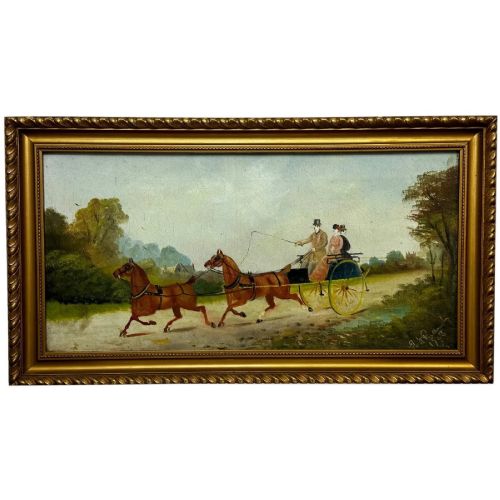
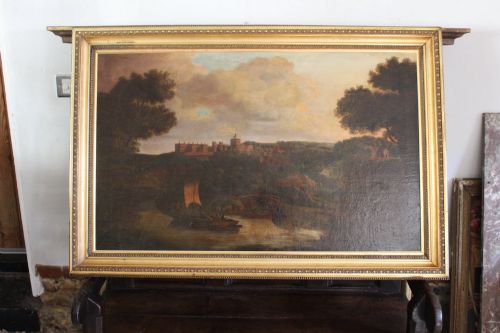
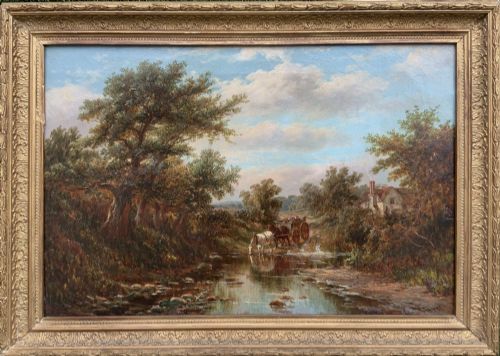
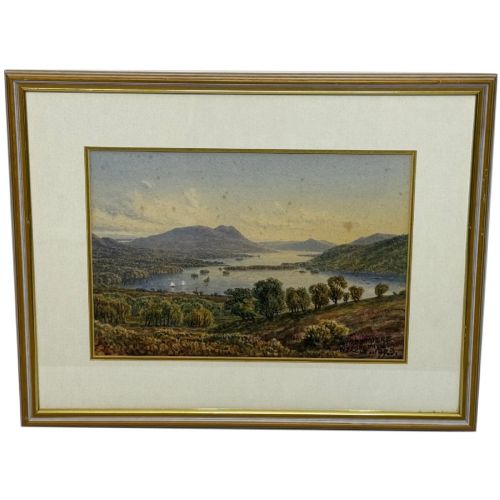
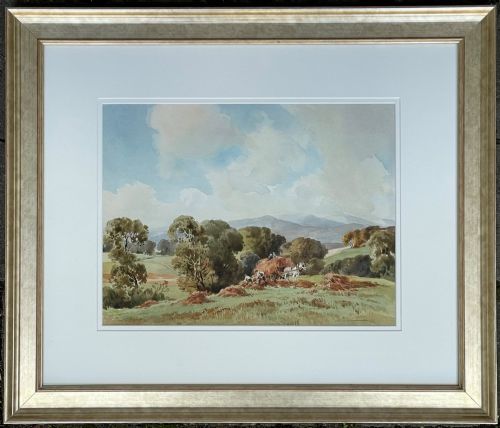
When you search for British country landscape art, you encounter original paintings, watercolours and drawings depicting fields, rivers, villages and livestock. The selection spans the nineteenth century through the Edwardian period and into the nineteen-forties, capturing rural life and topography.
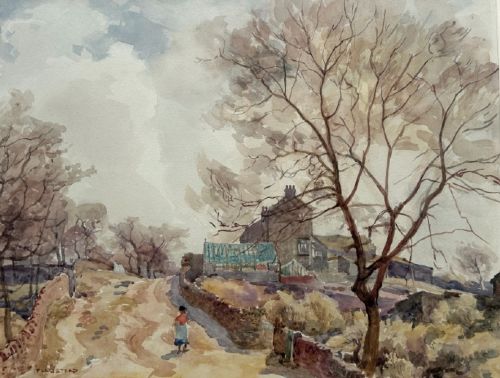
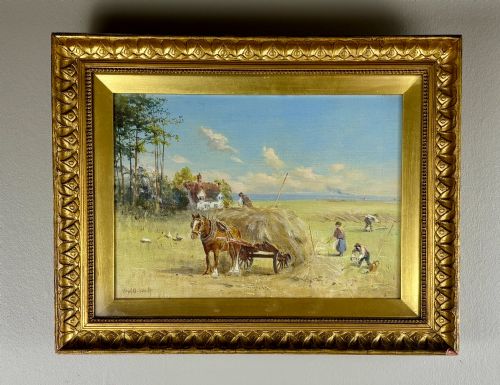
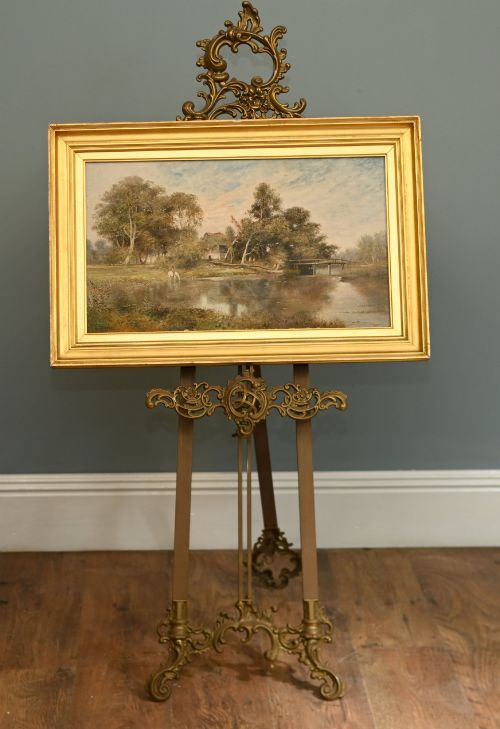
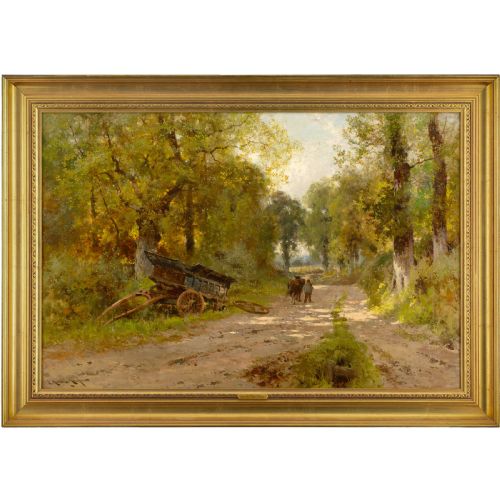
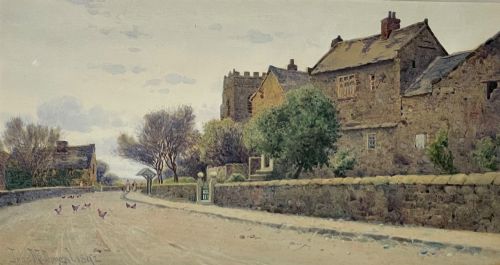
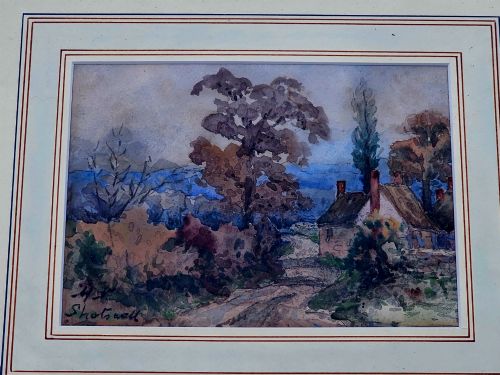
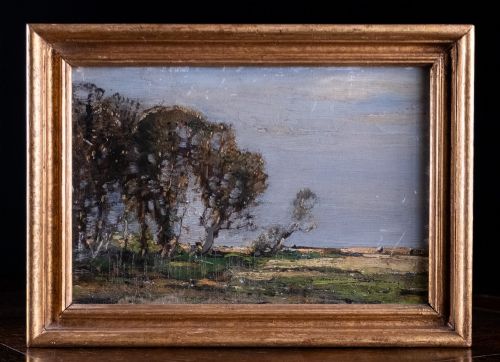
Most pieces you meet on this page originate from the Victorian and Edwardian eras, executed in oils or watercolour on canvas, panel or paper. These works document specific locations, from Yorkshire and Devon to Cornwall and the Thames, often including figures, cottages or farm animals.
Makers and schools represented range from named regional painters to anonymous English School works. Buyers discover both finished exhibition pieces and smaller plein air studies recording the changing British countryside.
Materials and technique
Painters utilised oil paint applied to canvas, wooden board or wooden panels, building rich textures and deep tones. Watercolours on paper provide a lighter, more translucent record of rural light and weather.
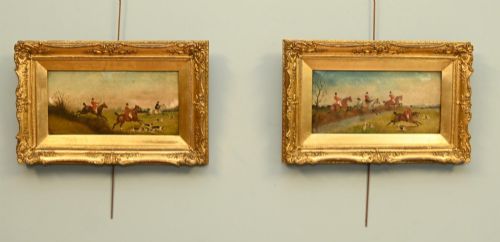
Draftsmanship underpins these works, whether through delicate pencil sketches, ink and watercolour drawings, or pastels and gouache on paper. Framing often includes period wooden mouldings that complement the palette of the scene.
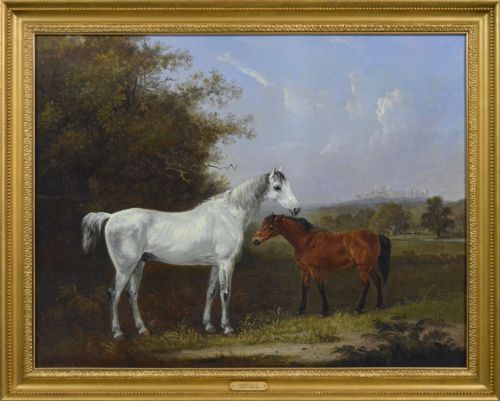
Several sheep and ponies clearly refused to stand still, appearing immortalised mid-munch in wild garlic and stableyards.
Judging quality in rural scenes
Quality rests in the handling of light, atmosphere and perspective, where accomplished artists render convincing depth and naturalistic skies. Weaker examples show stiff drawing or heavy, unvaried brushwork without atmospheric depth.
The strength of composition and confidence of the touch separate standard topographical records from compelling artistic interpretations of the countryside. Surfaces preserved in original condition with stable paint layers retain greater visual integrity.
Percy Lancaster·William Howard Hardy·John Horace Hooper·John McDougal·Kershaw Schofield·Robert Morson Hughes·Robert John Hammond·Walter Heath Williams·Robert W. Macbeth·Fred Lawson·Robert Thorne Waite·John Smith Atherton·Lucy Pratt·Raymond Booth·Frederick James Kerr·Sir Edwin Henry Landseer·George Wright·Herbert Royle·Percy Lancaster·T C Hofland·Henry H Parker·Joseph Knight·Sydney Yates Johnson·F.J. Snell·A M Gauci
The British Country Landscape Art Glossary
- Oil on Canvas
- Pigment mixed with drying oil applied to stretched fabric. This medium allowed artists to build rich layers and luminous tones.
- Watercolour
- Pigments suspended in a water-soluble vehicle applied to paper. It delivers transparent washes of colour suited to capturing shifting weather.
- Plein Air
- Painting outdoors to capture direct observations of natural light and atmosphere. This practice gained prominence among nineteenth-century landscape painters.
- English School
- A designation for works produced by British artists whose specific individual identities remain unrecorded. These pieces reflect prevailing national artistic training.
- Norwich School
- A regional grouping of artists founded in the early nineteenth century who painted local Norfolk scenery. They drew inspiration from Dutch landscape traditions.
British Country Landscape Art: Frequently Asked Questions
What periods do these landscapes cover?
The selections span from the early nineteenth century through the Victorian and Edwardian eras up to the nineteen-forties. You will find works from eighteen-hundred onwards reflecting changing artistic movements.
Victorian and Edwardian pieces dominate the selection, offering a window into rural life before widespread modernisation altered the topography.
How do I distinguish watercolours from oils?
Watercolours are painted on paper, often under glass, showing transparent washes and delicate handling of light. Oils are heavier, applied to canvas, board or panel with visible texture and opaque coverage.
Examining the surface reveals the medium; oils catch light across raised paint strokes, while watercolours present a flat, absorbent finish.
Where were these rural scenes painted?
Artists worked across diverse British regions, documenting locations in Yorkshire, Devon, Cornwall, Gloucestershire and along the Thames. Specific village roads, coastal moors and agricultural fields form the primary subjects.
Many titles record the exact geographic spot, allowing collectors to trace the topography and historical appearance of specific countryside locations.
How should I frame and display them?
Antique landscape paintings benefit from wooden frames that match the period of the artwork and complement its tonal palette. Paper works like watercolours require conservation framing with mounts to protect them from moisture.
Keep pieces away from direct sunlight to preserve the integrity of oil pigments and prevent watercolours from fading over time.