





British Cattle Painting
When you seek a British cattle painting, you find framed watercolours and oils on canvas depicting pastoral landscapes, riversides, and prized livestock from the nineteenth and early twentieth centuries.
British Cattle Painting
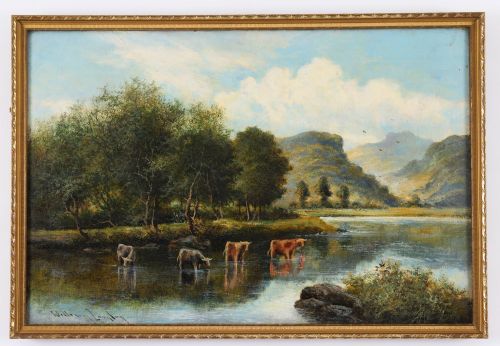
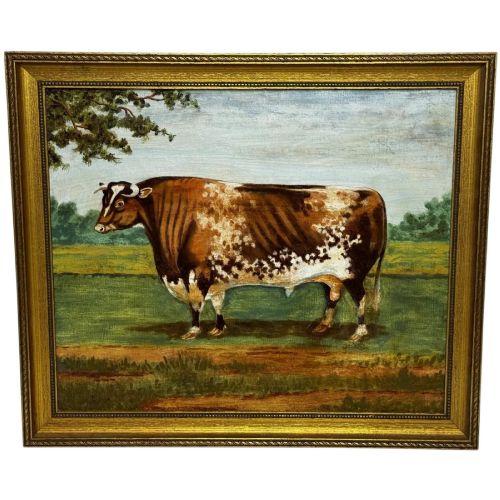
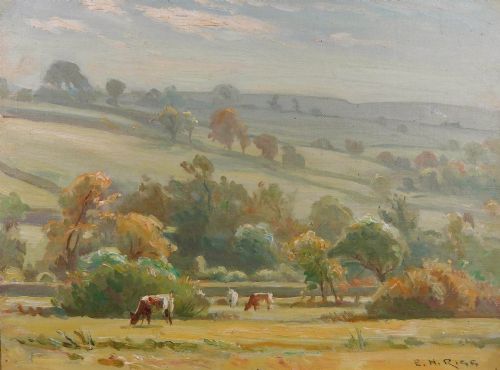
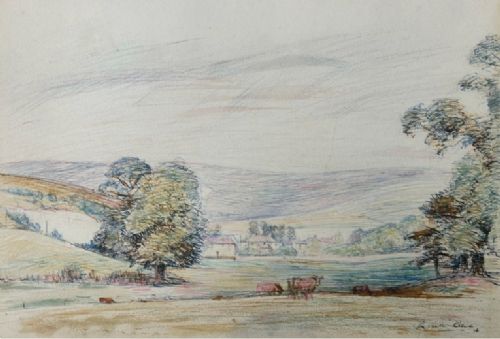
A British cattle painting typically captures rural scenes, ranging from Victorian pastoral views to Edwardian farmland landscapes. These artworks place working farm animals, shorthorn bulls, and milking cows at the centre of riverscapes, woodlands, and highland valleys.
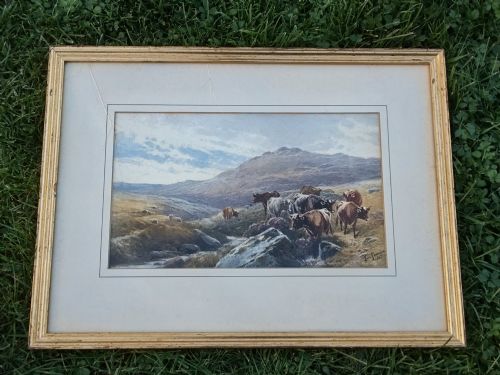
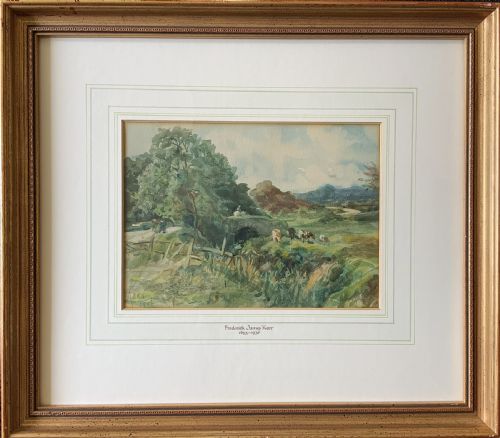
The selection on this page spans the nineteenth century through to the early twentieth century, encompassing Victorian naturalism, British impressionism, and traditional watercolour painting. Works vary from intimate depictions of calves by a river to grand depictions of drovers crossing stone bridges.
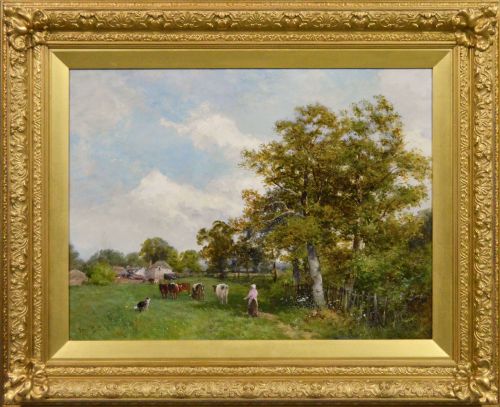
Artists frequently pair cattle with figures, sheep, or horses to construct a complete narrative of agrarian life. Whether executed in oil on canvas or delicate watercolour on paper, each piece reflects the prevailing nineteenth and twentieth-century fascination with the British countryside.
Materials and Techniques
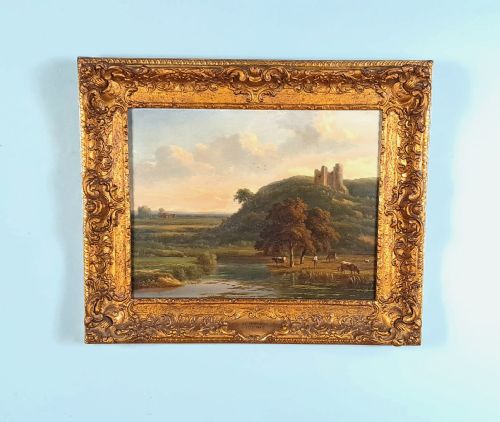
Painters utilised oil on canvas or oil on board to achieve rich textures and deep colour variation, often mounting finished works within period giltwood frames highlighted with gold leaf. Alternatively, watercolours executed on paper rely on transparent washes to capture the light of rural rivers and skies.
Canvases stretch across wooden bars, sometimes bearing historical inscriptions or signatures on the reverse, while watercolours sit beneath protective glass. The construction of the frame often matches the period of the artwork, using traditional joinery and gilt finishes.
British Cattle Painting Retail Price Guide 2026
Typical asking prices for british cattle painting among the pieces listed under this phrase on Sellingantiques today, from the lower quarter to the upper quarter. They describe what is for sale here now, not the wider market.
Evaluating the Range
The distinction between tiers rests upon the artist's command of anatomy, light, and atmosphere. Master painters render the musculature of a shorthorn bull and the interplay of sunlight on river water with convincing depth, whereas lesser works rely on formulaic foliage and stiff animal forms.
Provenance and condition also dictate distinction within the category. Original framing, signed compositions, and clear attribution to established nineteenth-century or Edwardian painters elevate a piece above anonymous works of the same era.
William Langley·Thomas Rowden·David Bates·Ernest Higgins Rigg·T C Hofland·A M Gauci·Henry Hillier Parker·Ernest Pile Bucknall·William Sydney Cooper·George Vicat Cole·Sidney Richard Percy·Robert Thorne Waite·Thomas Baker of Leamington·Claude Cardon·William Traies·Alfred de Breanski·Henry Brittan Willis·Harry Stinton
The British Cattle Painting Glossary
- Pastoral landscape
- A genre of art depicting rural life, shepherds, herdsmen, and livestock in an idealized countryside. These scenes emphasise the peaceful harmony between humans, animals, and nature.
- Oil on canvas
- A painting technique where pigments suspended in drying oils are applied to stretched woven fabric. This medium allows for rich blending of colour and varied surface textures.
- Watercolour painting
- Art created using water-soluble pigments applied to paper. It produces translucent washes that capture luminous atmospheric effects in landscapes.
- Giltwood
- Wood carved and coated with a thin layer of gold leaf or metallic powder. It provides the ornate, reflective framing standard for nineteenth-century fine art.
- British School
- A term used to classify artists trained or working within Britain during a specific historical era. It groups stylistically similar works sharing regional subject matter.
British Cattle Painting: Frequently Asked Questions
What periods do these paintings date from?
The available selection primarily spans the nineteenth century through to the early decades of the twentieth century. This includes Victorian naturalism, Edwardian watercolours, and early twentieth-century British impressionist works.
Dates range from the early eighteen-hundreds up to the nineteen-thirties. Many pieces carry signatures, dates, or stretcher inscriptions that anchor them securely within this historical window.
How should I care for an antique watercolour?
Antique watercolours on paper require protection from direct sunlight to prevent the pigments from fading over time. Keeping them in stable environmental conditions away from damp walls preserves both the paper and the original mount.
Glazing helps shield the delicate washes from dust and atmospheric pollutants. Ensure the framing remains sealed to protect the paper from humidity.
How do I identify a Victorian pastoral scene?
Victorian pastoral scenes typically feature domestic livestock such as cattle and sheep integrated into rolling British countryside or river valleys. Human figures like herdsmen or drovers frequently appear tending to the animals.
The palette relies on natural earth tones, greens, and soft blues to evoke a tranquil rural atmosphere. Lighting often mimics early morning or late afternoon sun to enhance the sense of calm.