



British Spoon
A british antique spoon is a domestic implement of metal or pewter, collected for its weight of history and variety of form.
British Spoon
A british antique spoon spans several centuries of domestic silver and metalwork, encompassing forms from the Queen Anne period through to the mid-twentieth century. Buyers encounter specialised serving pieces, caddy spoons, marrow scoops, and everyday teaspoons across this selection.
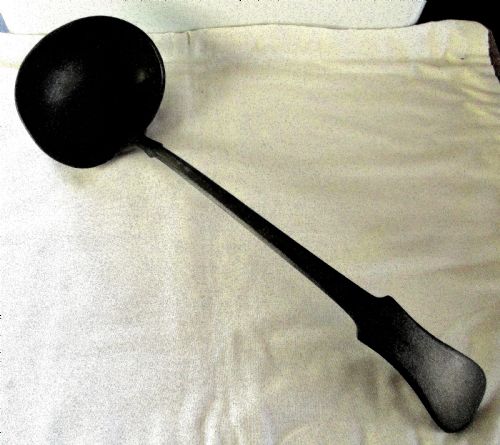
The material record runs from early pewter ladles to sterling silver tablespoons and caddy spoons shaped with shell bowls or novelty handles. These items reflect the shifting dining habits and tea equipage of Georgian, Victorian, and later households.
How they were made
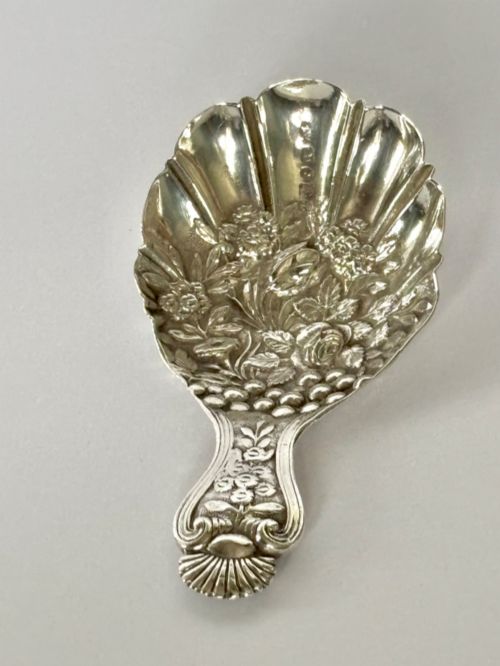
Makers shaped these spoons predominantly from sterling silver and pewter, employing hammering, casting, and piercing techniques suited to the form. Handles often display fiddle patterns or engraved crests, while caddy spoons feature stamped and chased bowl designs.
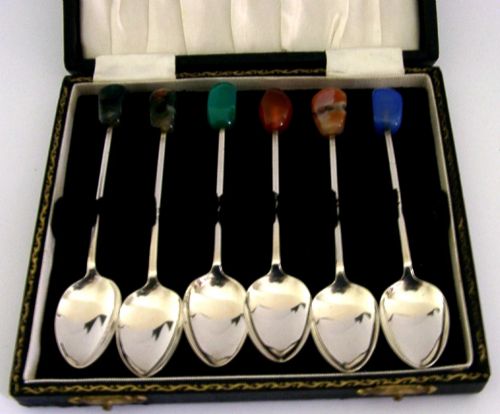
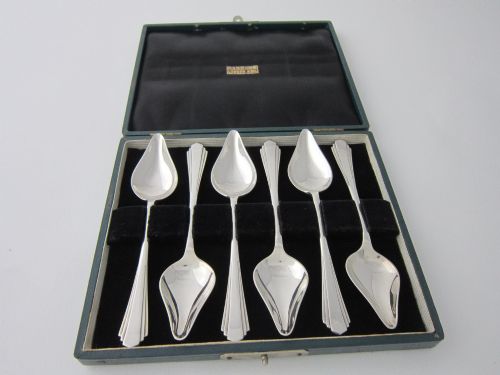
Fitted presentation boxes incorporate materials such as leatherette, fabric, silk, and velvet to house matched pairs or sets. Metal components bear assay office marks and maker stamps that record their origin.
British Spoon Retail Price Guide 2026
Typical asking prices for british spoon among the pieces listed under this phrase on Sellingantiques today, from the lower quarter to the upper quarter. They describe what is for sale here now, not the wider market.
The listings include sterling silver, pewter, and metal objects spanning the Georgian, Victorian, and mid-twentieth-century periods.
What varies in quality
Quality rests upon the crispness of the maker marks, the retention of original engraving depth, and the integrity of the bowl shape against wear. Early examples with distinct rattail attachments or crisp shell bowls represent the finer end of the scale.
The weight of the metal and the balance of the handle within the hand distinguish standard domestic production from exceptional silversmith output. Boxes lined in silk or velvet that retain their fitted structure add context to paired servings.
Joseph Willmore·Dixon and Son·Mappin and Webb·George Unite·Walter and John Barnard·Lawrence Coles
The British Spoon Glossary
- Caddy spoon
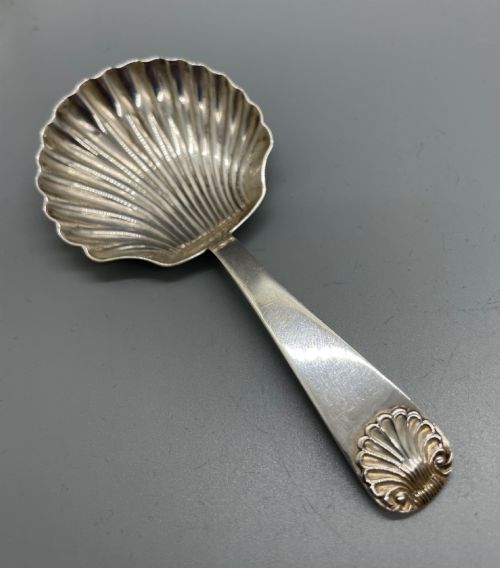
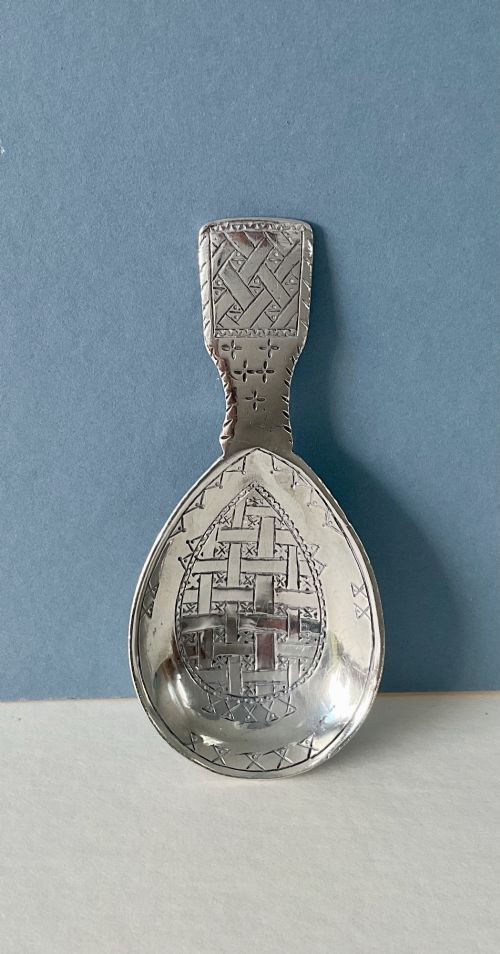
- A short-handled spoon designed specifically for measuring tea leaves from a caddy. These often feature decorative shell or leaf bowls.
- Fiddle pattern
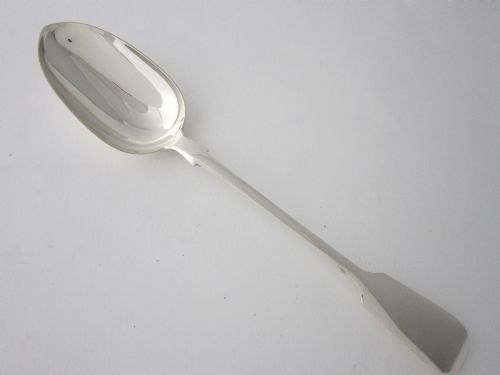
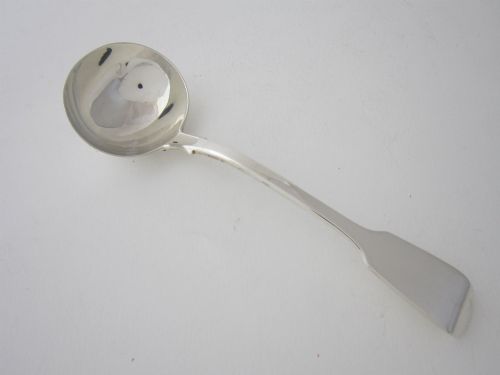
- A nineteenth-century handle shape characterised by a widened, flattened shoulder resembling a fiddle. It appeared frequently on basting and serving spoons.
- Marrow scoop
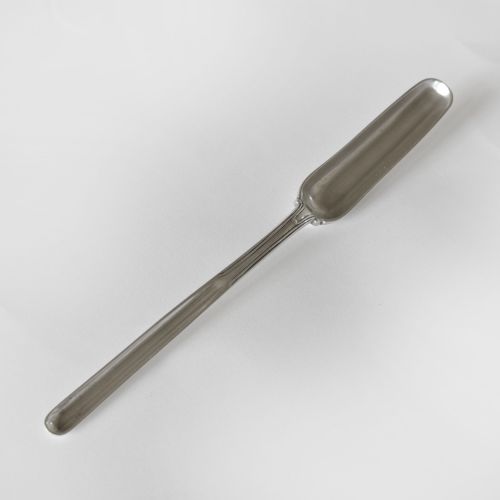
- A narrow, elongated utensil with troughs at both ends designed for extracting marrow from bones. Examples date across the eighteenth and nineteenth centuries.
- Rattail
- A slender tongue of metal extending down the back of a spoon bowl from the stem for reinforcement. This feature appears on early pieces such as Queen Anne spoons.
- Assay office
- An official body responsible for testing the purity of precious metals and stamping items with hallmarks. Marks identify the city of testing and the year of production.
British Spoon: Frequently Asked Questions
What is a caddy spoon?
A caddy spoon is a small utensil created to scoop loose tea leaves from a storage caddy into a teapot.
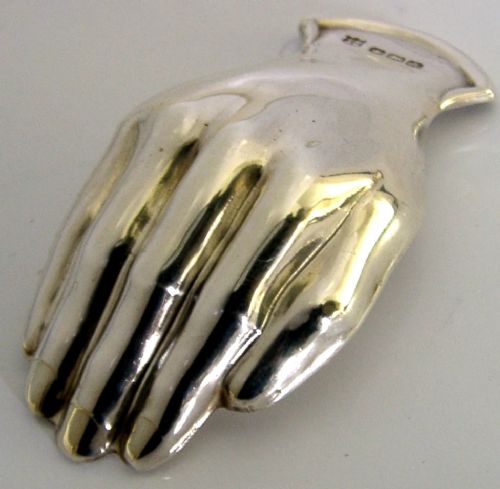
These pieces often display decorative bowls formed as shells, leaves, or hands, originating across the Georgian and Victorian eras.
How do I know the date?
Makers stamped sterling silver spoons with hallmarks that include a date letter, assay office mark, and standard sterling symbol.
Comparing these stamps against reference tables reveals the exact year and city of manufacture for pieces spanning the eighteenth to twentieth centuries.
How were marrow scoops used?
Marrow scoops were utilised at the dining table to extract bone marrow from joints during formal meals.
Their double-ended trough design allowed diners to reach both narrow and wide bone cavities cleanly.
Are these spoons made of sterling silver?
The selection includes items fashioned from sterling silver alongside pewter and base metal examples.
Assay marks and metal stamps on the reverse of the stems confirm the specific composition of each piece.