


British Dining Table
These british antique dining table pieces span pine, mahogany and pollard oak forms from the nineteenth century onward.
British Dining Table
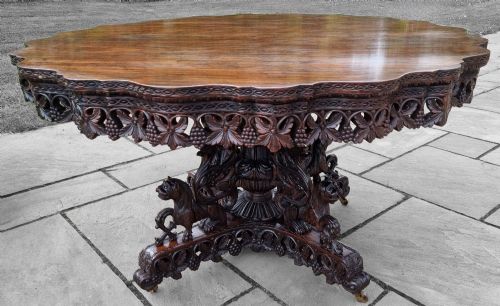
A british antique dining table covers large scale pine examples alongside centre tables in pollard oak and figured mahogany. Buyers encounter these forms across Victorian, Regency, George III and Edwardian periods.
The selection ranges from massive pine boards through to circular breakfast tables on octagonal pillars and dropleaf gateleg constructions. Each piece reflects the functional dining requirements of its specific period.
Materials and Construction
Timbers such as pine, mahogany, padauk and pollard oak form the structural core of these pieces. Cabinetmakers utilised solid woods alongside detailed figuring to create stable dining surfaces.
Joinery techniques span traditional gateleg mechanisms, pillar supports and heavy framework construction. These methods ensure structural durability across large scale formats.
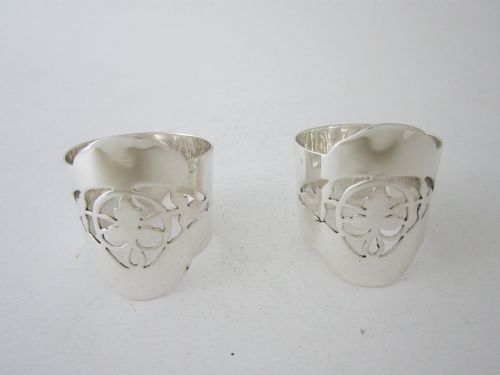
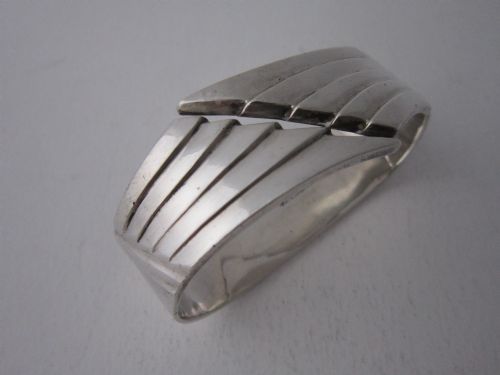
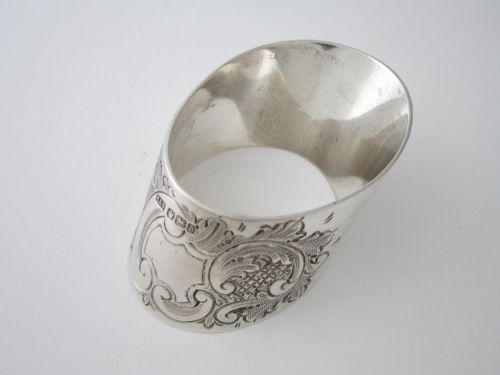
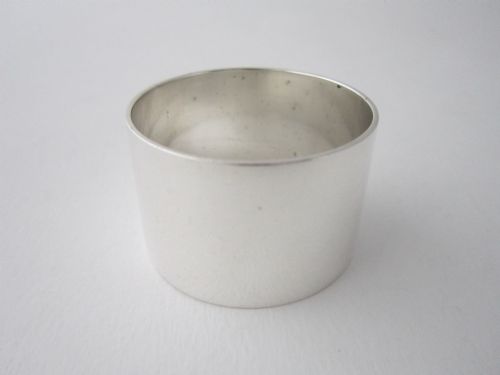
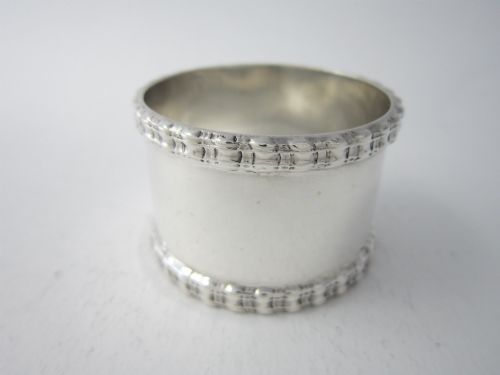
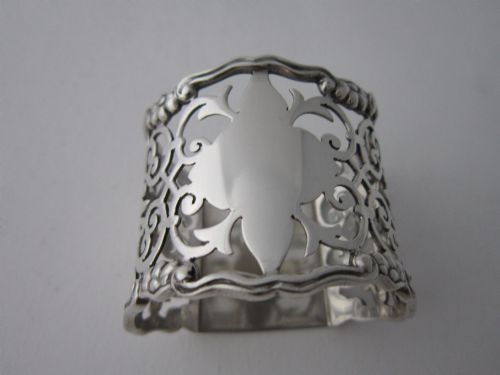
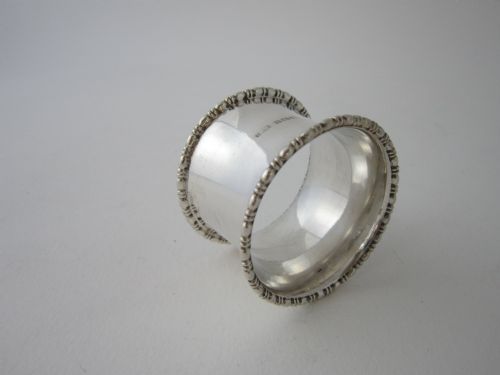
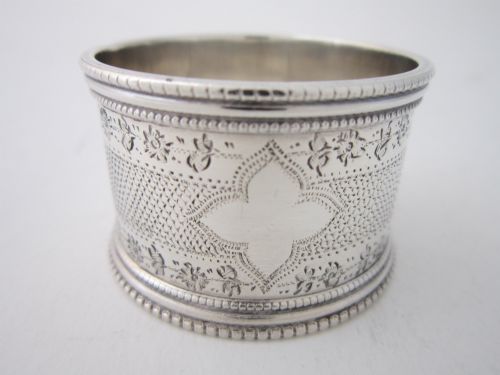
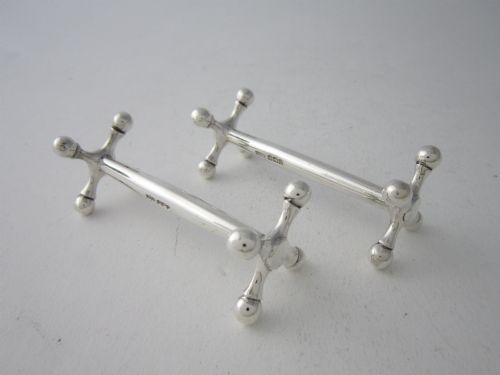
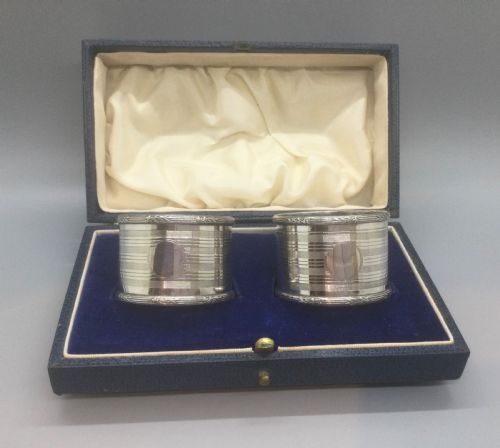
Some dining tables come paired with silver napkin rings and knife rests from Birmingham workshops.
Assessing Quality
The calibre of timber figuring and the depth of the grain define the visual standing of each piece. Superior examples display carefully selected mahogany or pollard oak surfaces with natural lustre.
Proportional harmony and the execution of structural supports distinguish finer dining tables from standard utility pieces. Construction integrity within pillars, pedestals and gatelegs indicates superior workshop practice.
R. E. Stone
The British Dining Table Glossary
- Pollard Oak
- A decorative timber obtained from pollarded oak trees, noted for its clustered knot formation and rich grain patterns.
- Padauk
- A dense exotic hardwood valued for its deep reddish-brown colour and stability in large furniture pieces.
- Gateleg Table
- A table with hinged leaves supported by swing-out legs that resemble the main frame.
- Breakfast Table
- A small dining or centre table popular in the nineteenth century, typically featuring a single central pillar and circular top.
British Dining Table: Frequently Asked Questions
What periods do these tables cover?
The available pieces span the nineteenth century, Regency, Victorian, Edwardian and George III eras.
Each period brings distinct timber choices and structural proportions to the dining room.
How do I care for antique wood?
Maintain stable room humidity and keep wooden surfaces away from direct heat sources to prevent timber splitting.
Apply traditional wax polishes sparingly to nourish the finish without building up heavy residues.
What timbers were used?
Cabinetmakers utilised pine, figured mahogany, pollard oak and exotic padauk.
These woods provided both the structural strength needed for dining and decorative grain patterns.
Are gateleg tables practical?
Drop-leaf gateleg tables offer flexible surface areas for smaller spaces by folding down when not in use.
Their hinged leg supports provide sturdy reinforcement when the leaves are fully extended.