



British Crest
British antique crest pieces bring historic heraldry and military lineage into your home through cast iron, silver, carved wood, and embroidered silk.
British Crest
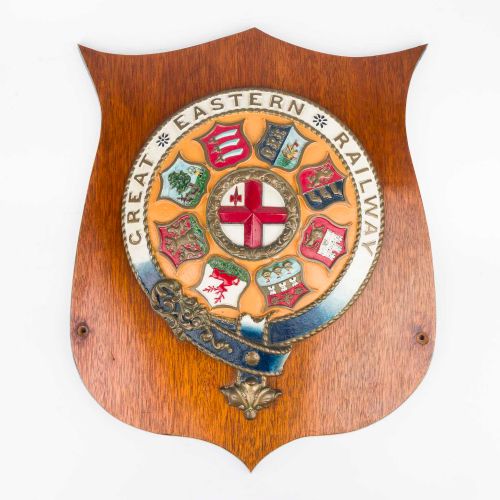
When you search for a British antique crest, you encounter a diverse collection of heraldic wall plaques, silver spoons, military memorabilia, and carved armorial panels spanning several centuries. These pieces carry the visual identity of regiments, railway companies, and historic livery companies through traditional symbols.
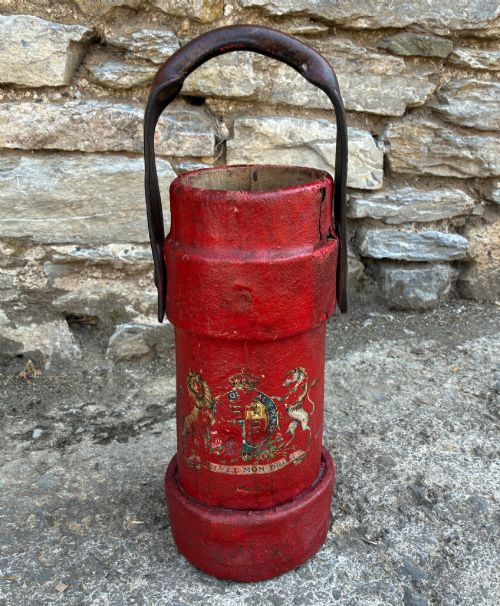
The versions you are most likely to meet on this page include large cast iron Royal coat of arms wall sculptures from the Victorian and Edwardian eras, alongside framed military embroideries and trench art. Each item serves as a tangible link to British institutional, railway, and military history.
Objects range from Georgian needlework and hand-carved polychrome armorial crests to 20th-century railway plaques and silver-plated walking sticks. This variety reflects how heraldry appeared across different tiers of British society, from grand municipal settings to personal military service.
Materials and construction methods
Makers utilised robust metals like cast iron and brass for monumental wall plaques and architectural pieces, applying enamel paint to define heraldic tinctures. These heavy iron castings required skilled pattern-making to capture intricate lions, unicorns, and royal mottos with sharp relief.
Organic materials appear in carved camphorwood military chests, wooden panels, and detailed silk needlework commemoratives. Textile pieces rely on careful embroidery stitches using coloured threads to render regimental badges and royal ciphers accurately on fabric.
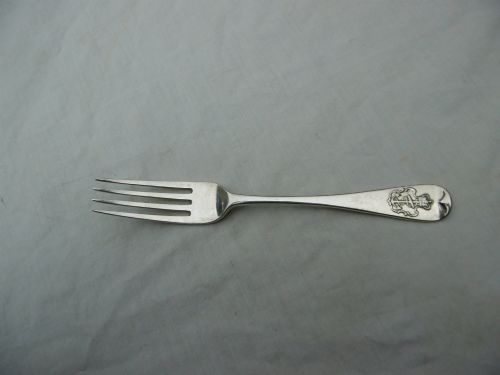
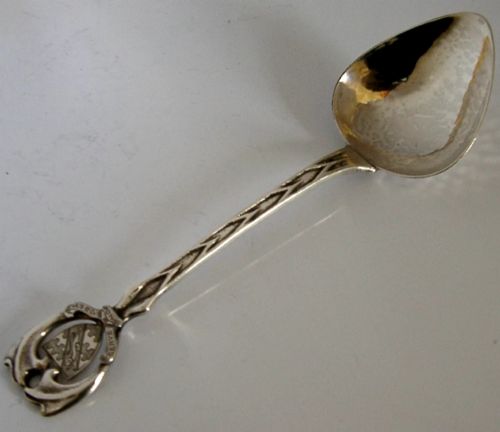
Precious metals and base metals shaped smaller items, seen in sterling silver spoons bearing livery company crests and silver-plated walking sticks from British India regiments. Trench art examples demonstrate repurposing, shaping spent shell cases into durable carriers and decorative objects.
British Crest Retail Price Guide 2026
Typical asking prices for british crest among the pieces listed under this phrase on Sellingantiques today, from the lower quarter to the upper quarter. They describe what is for sale here now, not the wider market.
A spent artillery shell from the First World War transformed into a proud Royal Artillery crest.
Factors that define quality
Original surface preservation dictates the standing of an antique crest. Retaining authentic polychrome paint, untouched patination on cast iron, or unpolished silver highlights the piece's history without modern over-restoration masking its age.
The historical significance and documentation of the specific regiment, railway, or livery company add depth to an object. Pieces tied to identifiable historical makers or precise historical events carry greater documentary weight than generic decorative items.
CONNELL·Joan Blaeu
The British Crest Glossary
- Armorial crest
- The uppermost component of a full coat of arms, traditionally worn upon a helmet. In these listings, the term often describes broader heraldic displays and wall plaques.
- Trench art
- Decorative or utilitarian objects made by soldiers, prisoners of war, or civilians from war debris and military surplus materials. Examples include carved artillery shell cases bearing regimental badges.
- Polychrome
- Painted in several colours. This technique brings heraldic coats of arms to life with correct historical tinctures on wood or plaster.
- Livery company
- One of the ancient trade guilds of the City of London. Their specific heraldic crests appear on commemorative silver and institutional items.
British Crest: Frequently Asked Questions
What is a British antique crest?
A British antique crest is a historical artefact bearing official heraldry, military insignia, or institutional symbols. These pieces include cast iron wall plaques, carved wooden armorials, and embroidered silk panels.
They represent centuries of British heritage, ranging from Royal coat of arms displays to railway company emblems and regimental memorabilia.
How were cast iron crests displayed?
Large cast iron Royal coat of arms plaques were originally mounted above judges' benches in courts, on municipal buildings, or at railway stations. Their substantial weight required robust fixings to secure them to stone or timber walls.
Today, collectors hang these monumental pieces as interior statement focal points in libraries, hallways, or living spaces.
How do I care for wooden and iron crests?
Cast iron pieces benefit from gentle dusting and occasional light waxing to protect the surface without altering the historic finish. Avoid harsh chemical cleaners that can strip original paint or patination.
Camphorwood chests and carved wooden panels require stable indoor humidity levels away from direct heat sources to prevent timber movement or cracking.
How can I tell the period of a crest?
Dating relies on stylistic shifts in the crown designs, royal ciphers, and the specific materials used. Victorian and Edwardian cast iron pieces often feature registration marks or distinct foundry characteristics.
Comparing the heraldic details and accompanying documentation helps place embroidered silks, trench art, and carved panels into their correct historical decades.