

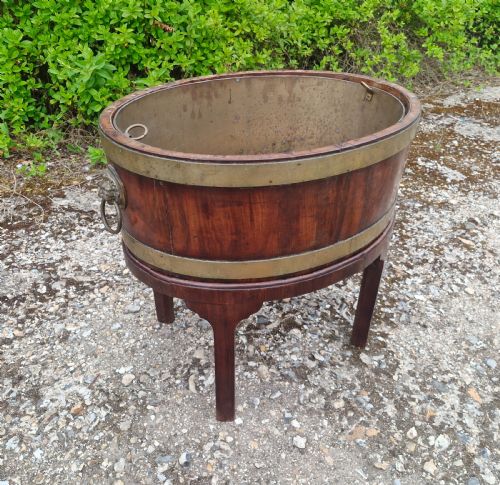
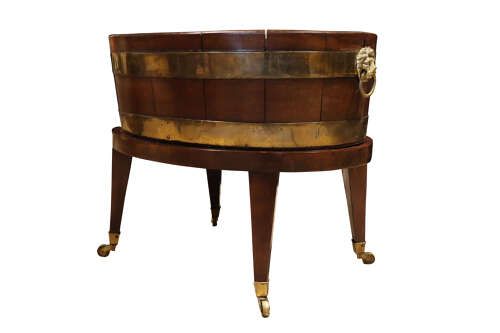

Brass Wine Cooler Stand
A brass wine cooler stand holds bottles at table height, bringing architectural form and polished metal to dining rooms.
Brass Wine Cooler Stand
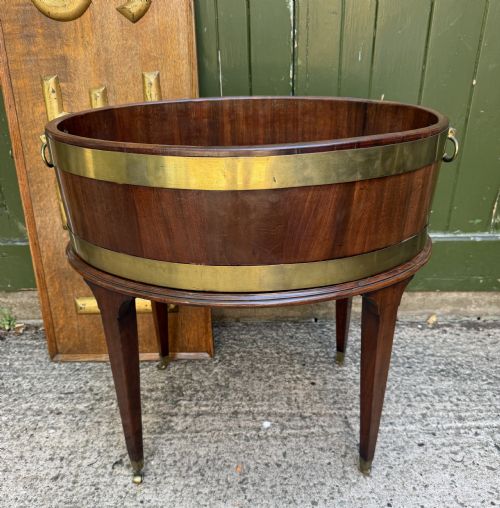
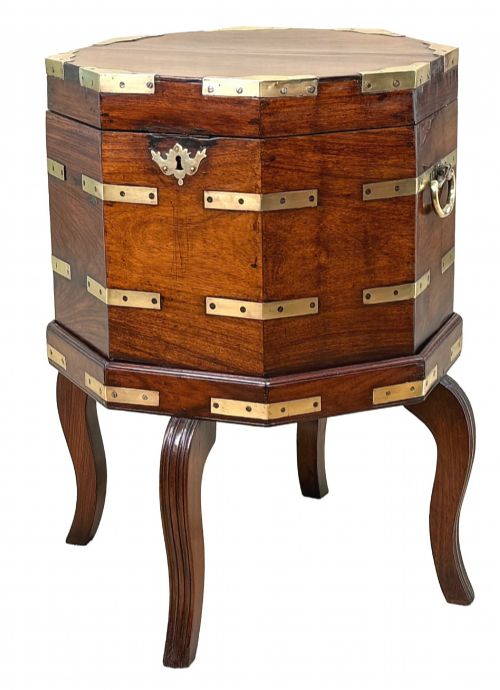
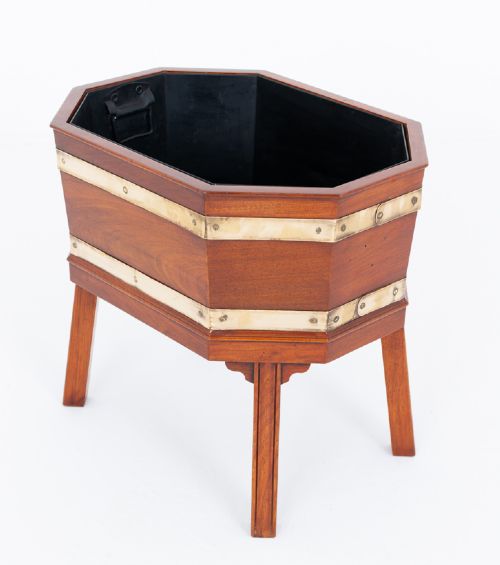
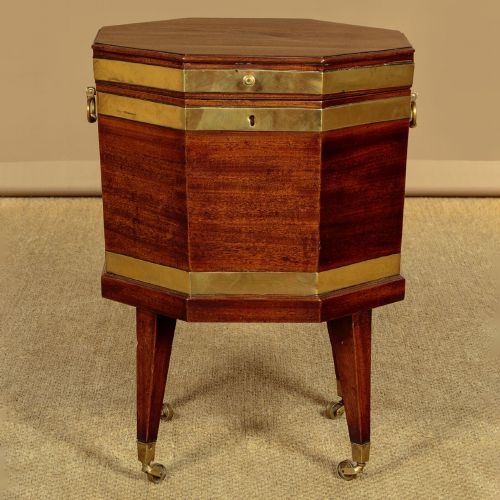
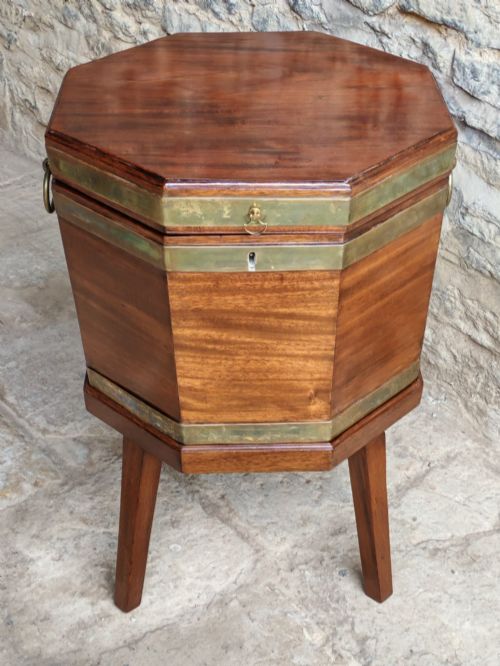
A brass wine cooler stand brings together timber vessels and metalwork designed for dining and entertaining. When you search for a brass wine cooler stand, you encounter oval and octagonal forms originating from Georgian, Victorian, and Edwardian periods.
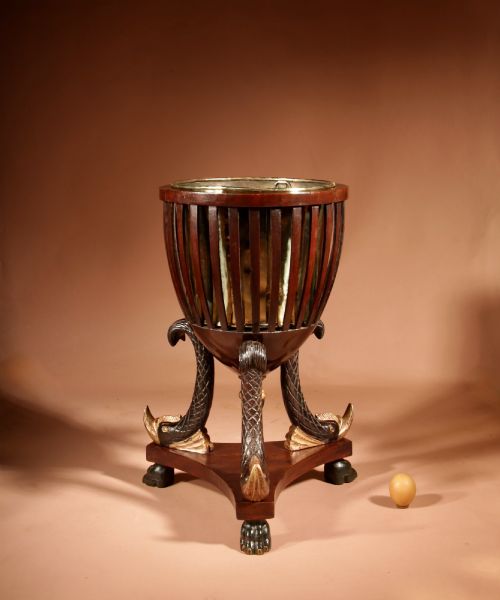
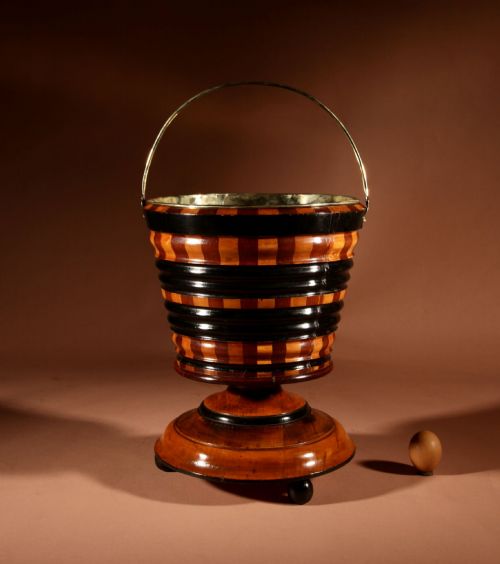
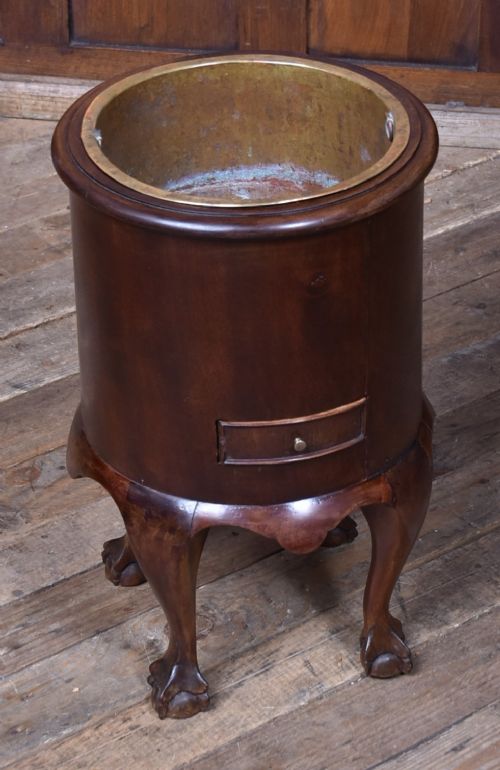
The objects frequently double as jardinières, planters, and cellarettes, reflecting centuries of shifting domestic uses for coopered wooden tubs and metal linings.
What varies in quality
Quality rests in the fidelity of the cooperage, the weight of the brass banding, and whether the stand is original to the vessel. Pieces retaining their fitted interior linings and deep timber patination command greater attention.
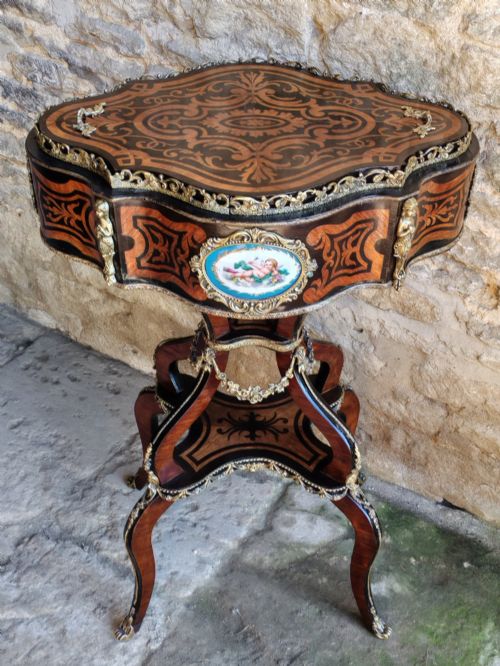
Subtle differences in dovetailing, timber choice such as padouk or satinwood, and crispness in cast brass mounts separate standard vernacular items from finer formal workshop examples.
Listings span Georgian, Victorian, and Edwardian periods, utilising mahogany, oak, walnut, and rosewood combined with brass and zinc.
The Brass Wine Cooler Stand Glossary
- Coopered
- Constructed from curved wooden staves joined tightly together with metal bands, much like a barrel. This technique ensures the vessel holds liquids without leaking.
- Cellarette
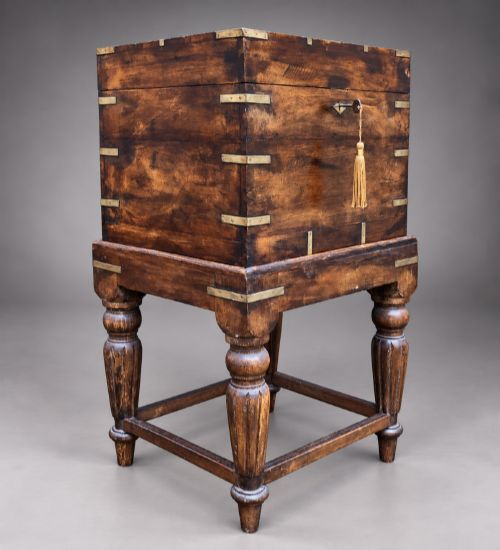
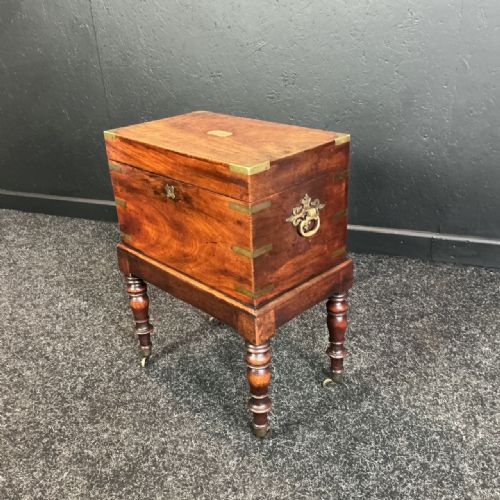
- A lockable storage chest or box designed to hold wine bottles securely near the dining table. They frequently sit upon dedicated wooden or brass-mounted stands.
- Jardiniere
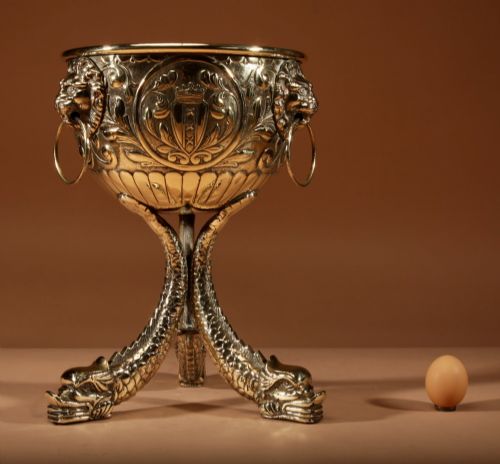
- An ornamental pot or stand designed to hold growing plants and flowers. Many surviving examples share identical forms with wine coolers.
- Dinanderie
- Objects made of beaten or cast brass and bronze, historically produced in the Meuse valley. The term covers embossed metalwork found on jardiniere vessels.
- Patina
- The deep surface sheen developed on wood and metal through age and handling. Good patina shows warmth and regular polishing over centuries.
Brass Wine Cooler Stand: Frequently Asked Questions
What is a brass wine cooler stand used for?
These vessels served historic dining rooms by holding wine bottles chilled in ice or water near the table during lengthy meals.
Today they function equally well as standing planters or decorative containers within reception rooms.
How do I date a Georgian wine cooler?
Georgian examples typically feature solid mahogany staves joined with precision cooperage, accented by hand-cast brass bands and bracket or square-leg stands.
Cabinetmaking details, such as hand-cut dovetails and period timber grain, help separate 18th-century pieces from later reproductions.
Are wine coolers and cellarettes the same thing?
Cellarettes generally refer to enclosed boxes with lids designed to lock away expensive wine, whereas wine coolers often remain open at the top for immediate access.
Both forms frequently appear mounted on matching stands or fitted with metal liners.
Can I use an antique cooler for plants?
Many surviving coolers served dual purposes as plant stands or jardinieres during the 19th century.
Using a plastic liner inside the original zinc or metal insert protects the historic timber from moisture damage.