


Brass Weight Driven Clock
A brass weight driven clock brings precise mechanical movement and rich timber cases into a room, spanning wall-hung lanterns to towering floor models.
Brass Weight Driven Clock
When you search for a brass weight driven clock, you encounter timepieces spanning the seventeenth century through to the Edwardian period, housed in various timber cases. Longcase clocks and wall clocks dominate the selection, alongside traditional lantern clocks and regional Dutch or Austrian regulators.
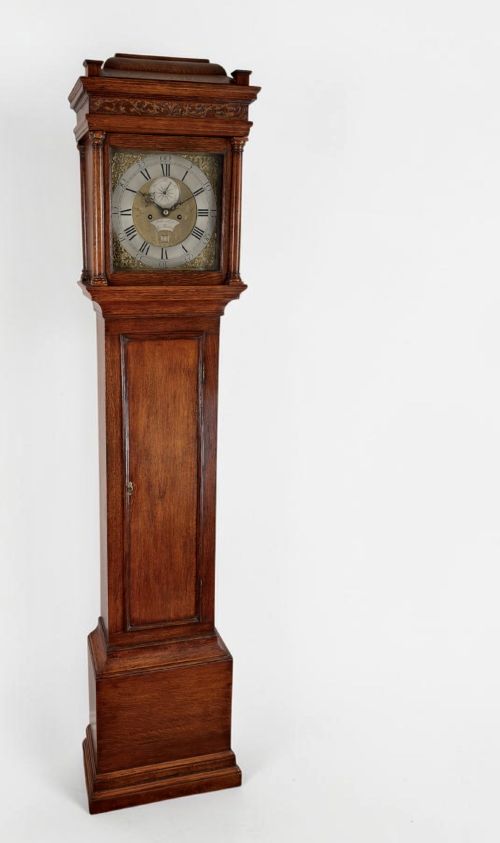
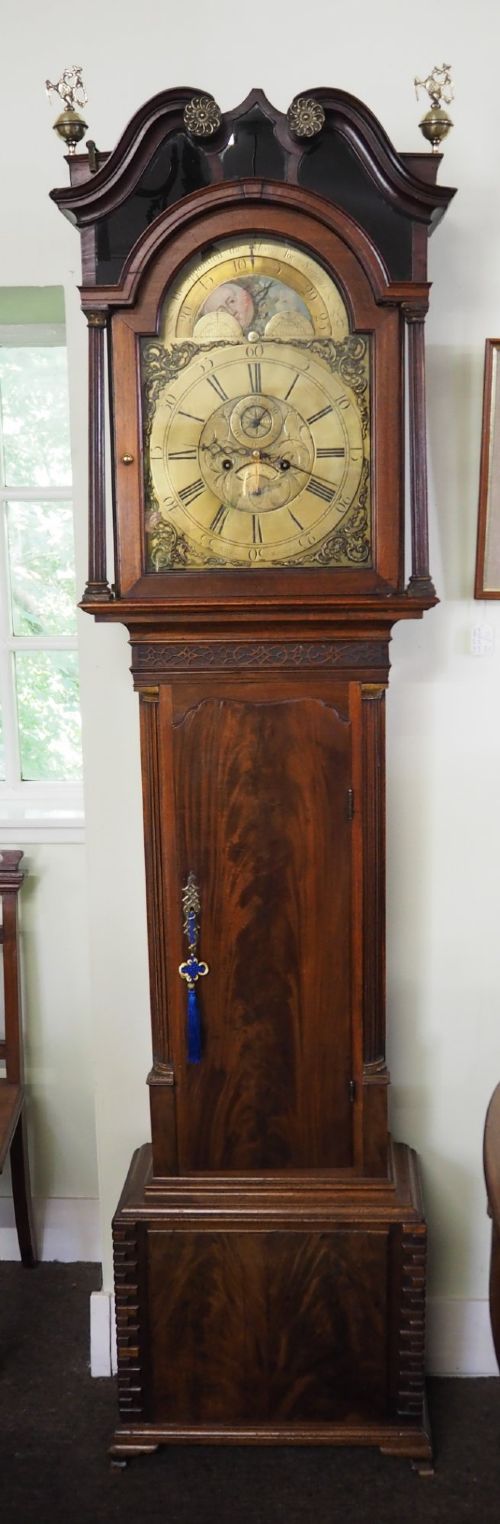
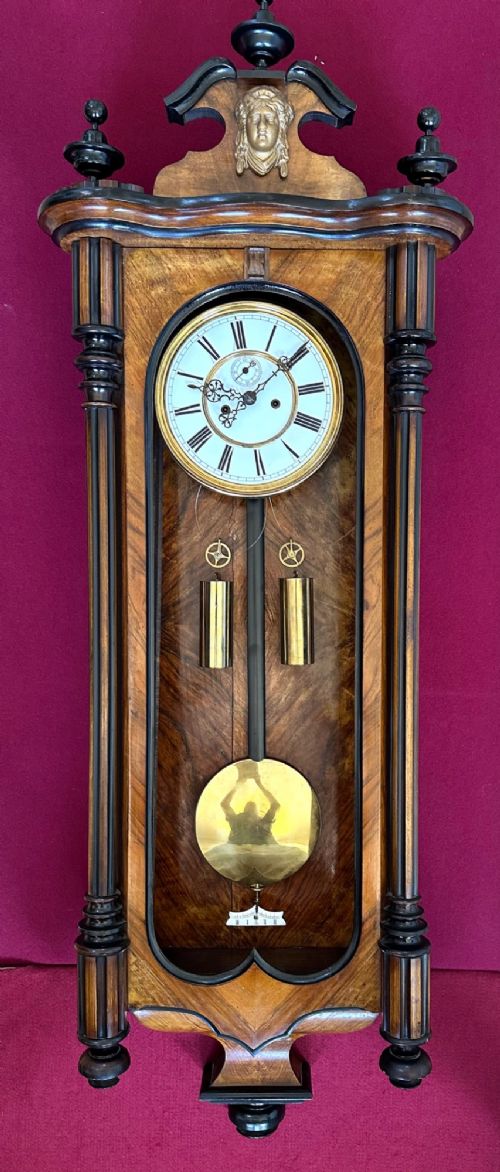
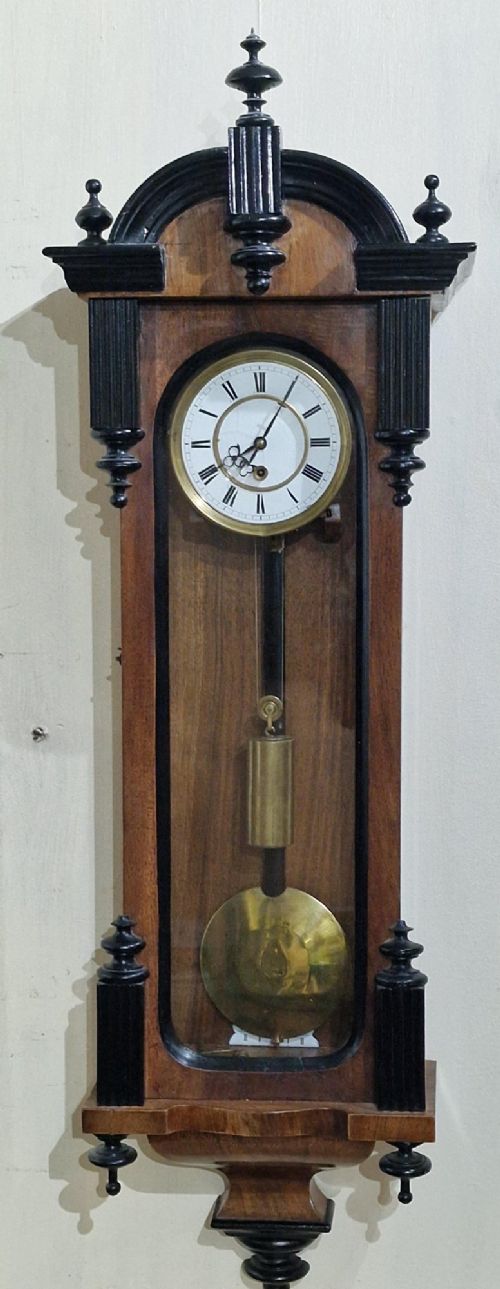
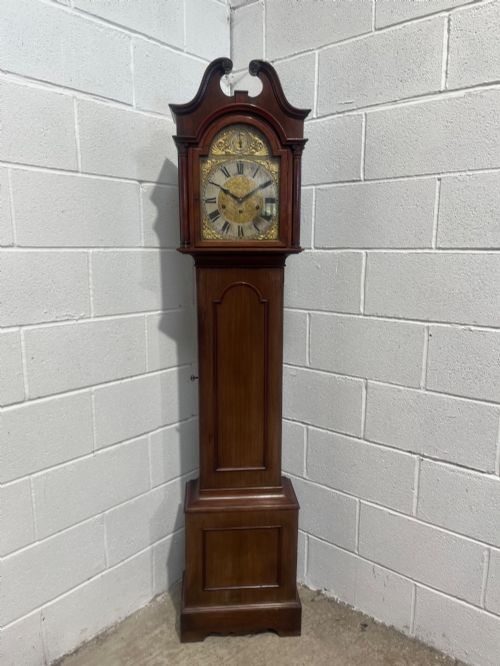
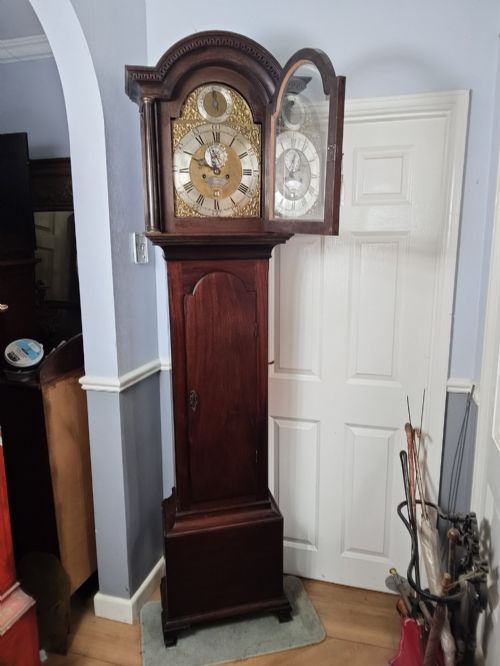
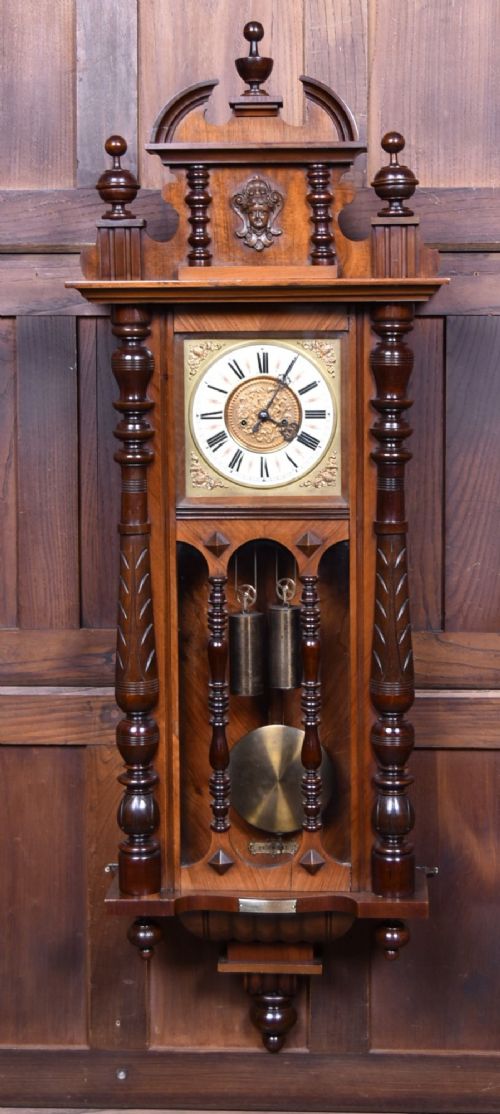
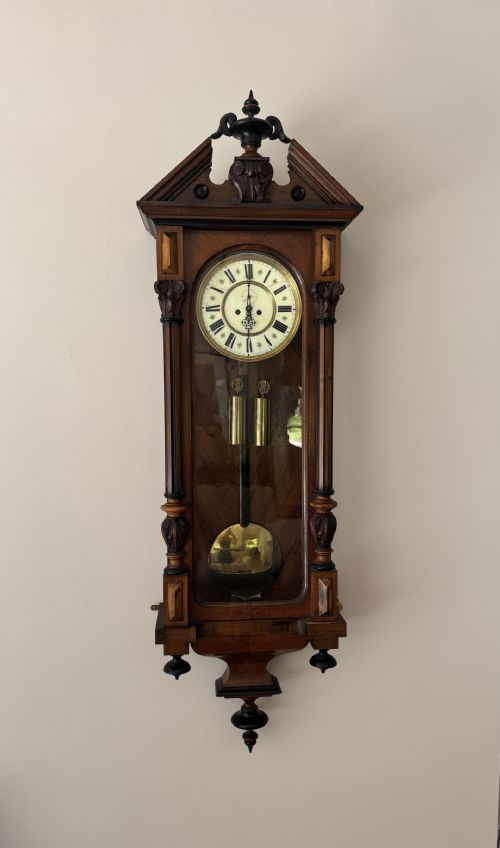
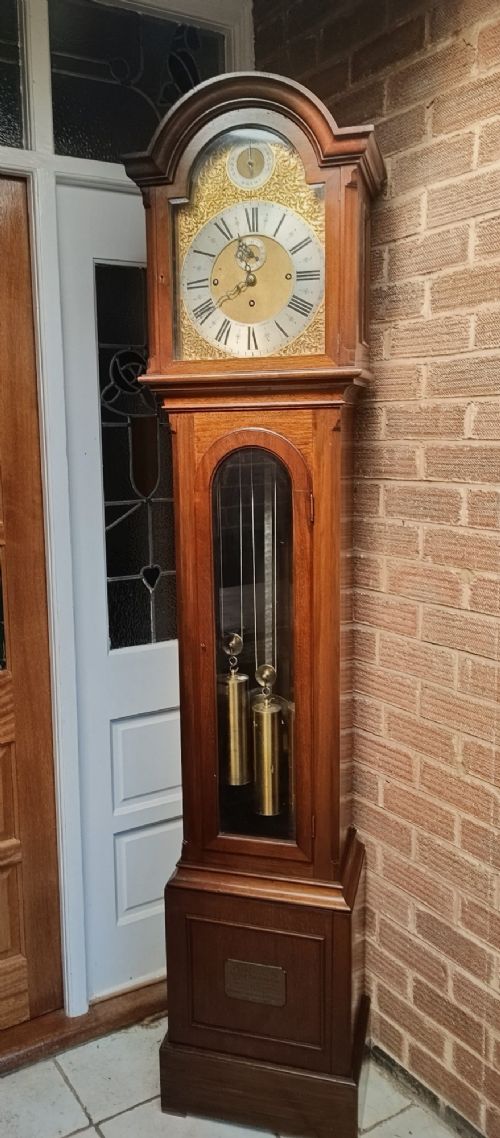
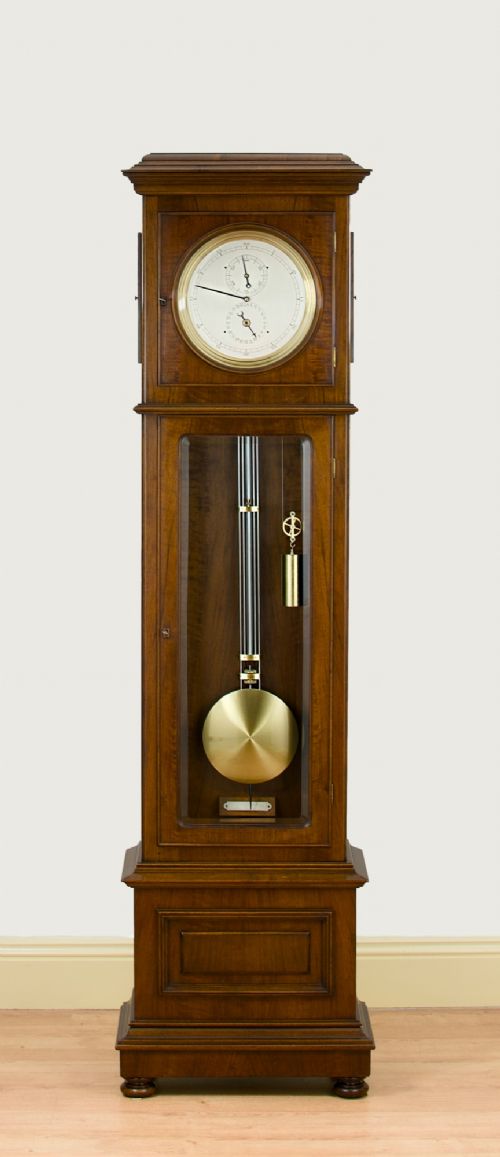
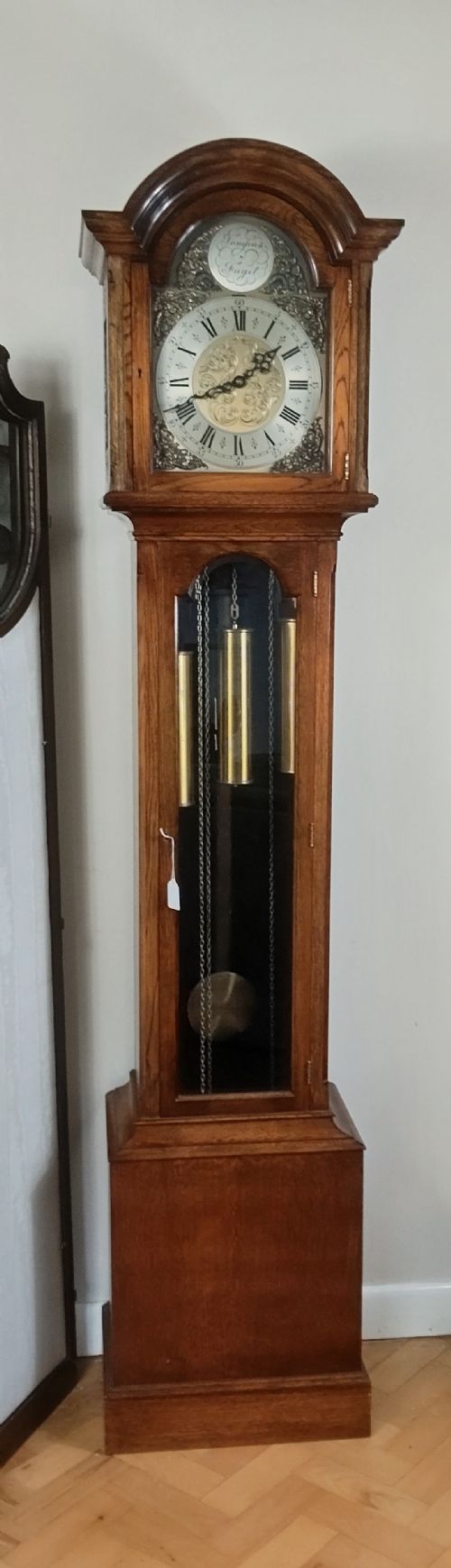
Floor-standing grandfather and grandmother clocks appear in mahogany, oak, and walnut, frequently showing Georgian or Edwardian proportions. Wall-mounted alternatives include Vienna regulators and striking wall clocks driven by dual brass weights.
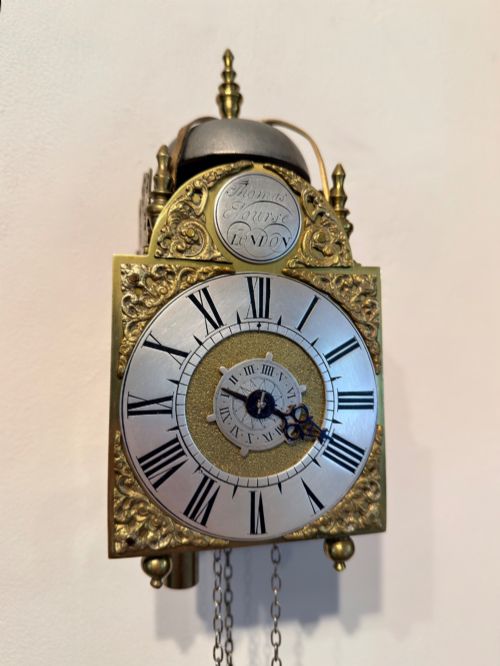
Earlier examples take the form of brass lantern clocks with hook and spike wall mountings, dating from the seventeenth and eighteenth centuries. These traditional pieces rely on exposed weights and lines to power their mechanical movements.
Materials and Construction
Cases utilise dense hardwoods such as mahogany, oak, and walnut, sheltering intricate brass gear trains, enamel dials, and steel components. Glass panels protect the dial and pendulum swing on wall regulators and longcase doors.
Movements combine brass plates and wheels with steel arbors and escapements, powered by suspended brass weights. Dials frequently feature applied brass spandrels, enamel chapters, or engraved brass chapter rings.
Listings feature brass weight driven clock examples across Georgian, Victorian, and Edwardian eras, constructed in mahogany, oak, walnut, and brass.
Distinguishing Quality in Timepieces
The refinement of the movement dictates mechanical excellence, with precision regulators and month-duration movements standing apart from standard eight-day strikes. Finely executed engraving on brass dials and delicate fretwork on lantern clock frets separate workshop standards.
Cabinetry execution marks the broader standard, where figured mahogany veneers, carved walnut details, and inlaid woodwork distinguish high workshop output from simpler utilitarian oak cases.
Lee of Great Marlow·John Spershott of Tetchfield·Windmills and Bennet·Samuel Tinham·Peter Closon·Francis Perigal·Gustav Becker
The Brass Weight Driven Clock Glossary
- Verge escapement
- An early type of escapement mechanism that controls the release of power in pendulum clocks. It works in conjunction with a crown wheel to regulate timekeeping.
- Regulator
- A high-precision clock designed to keep exceptionally accurate time. These movements often feature deadbeat escapements and month-long power reserves.
- Lantern clock
- An early brass chamber clock designed to hang on a wall via a hook and spike. They are driven by weights suspended on cords or chains.
- Vienna regulator
- A precision wall clock developed in nineteenth-century Austria. They typically feature long glass-fronted doors and double brass weights.
- Grandfather clock
- A tall floor-standing pendulum clock housed in a wooden longcase. They usually run for eight days on a single weight wind.
Brass Weight Driven Clock: Frequently Asked Questions
How do weight driven clocks work?
Suspended brass weights descend slowly under gravity, unwinding cords or chains around drums to power the gear train and pendulum. The escapement controls this descent to ensure regular ticking.
Maintaining the clock simply requires pulling the chains or winding the weights back to the top of the case at regular intervals depending on the movement duration.
Where should I place a longcase clock?
Select a structurally stable wall on the ground floor away from heavy vibrations, traffic, and direct sunlight. Floors must remain level to ensure the pendulum swings evenly.
Ensure the room maintains a relatively stable temperature to prevent timber cases from expanding and affecting the alignment of the internal movement.
What is the difference between wall and floor clocks?
Wall clocks hang directly from brackets or wall hooks, encompassing compact lantern clocks and lengthy Vienna regulators. Floor clocks stand independently on their own base using tall wooden longcases.
Floor models accommodate longer pendulums and drop distances for weights, while wall versions suit smaller rooms where floor space is limited.