



Brass Tripod Rack
These brass tripod rack pieces are practical stands built with three-legged supports, offering steady balance and metal-and-wood utility for home libraries and music rooms.
Brass Tripod Rack
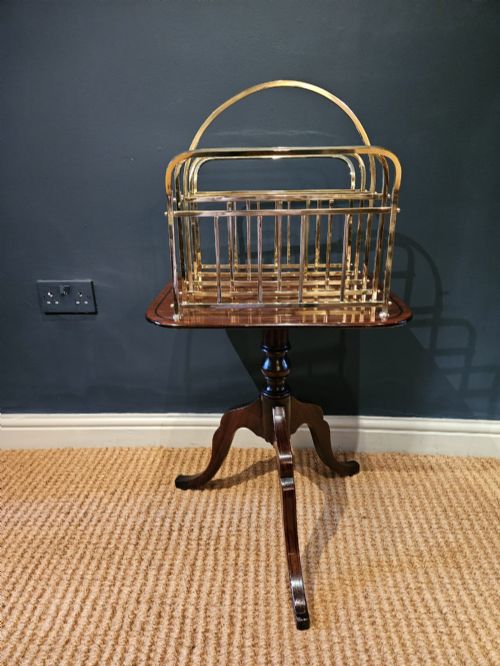
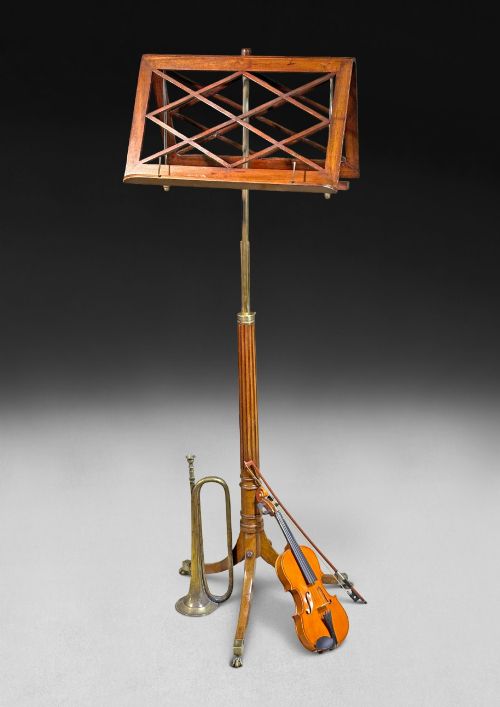
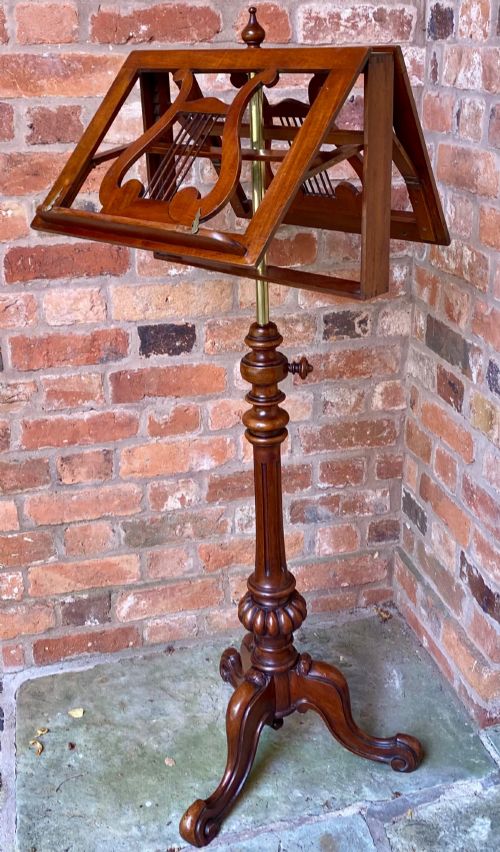
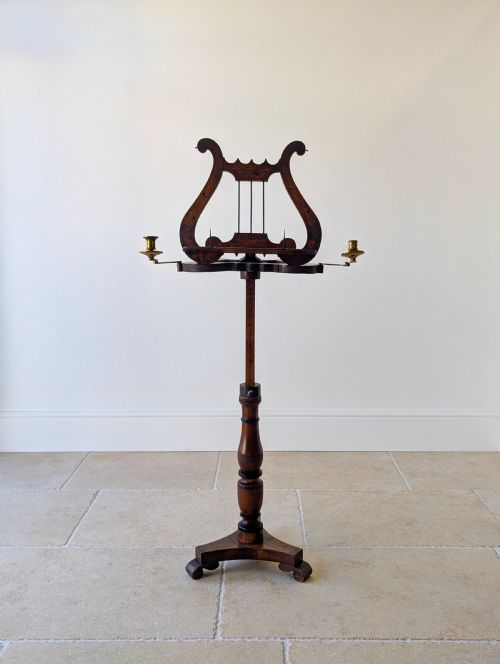
When you search for a brass tripod rack, you encounter a selection of stands and holders rooted in the nineteenth century, including Victorian and Regency designs. The examples appearing here consist primarily of music stands, revolving magazine racks, and bookcases that utilise tripod or pedestal structures.
Makers of these items constructed them from woods like mahogany, rosewood, and burr walnut, combining timber frames with brass fittings and adjustable elements. The majority of these pieces originate from the nineteenth century and the early twentieth century, spanning periods such as William IV, Victorian, and Edwardian eras.
How they were made
Craftsmen built these pieces using solid timbers such as mahogany and oak, often incorporating satinwood inlay and rosewood veneers for decorative finish. Metal components, particularly brass, form the adjustable mechanisms, stands, and structural supports of the racks.
The combination of turned wooden shafts and brass tripod feet required precise joinery to ensure stability, particularly for revolving bookstands and adjustable music rests. Artisans finished the wood surfaces with polishing techniques that highlight the natural grain of burr walnut and mahogany.
Brass Tripod Rack Retail Price Guide 2026
Typical asking prices for brass tripod rack among the pieces listed under this phrase on Sellingantiques today, from the lower quarter to the upper quarter. They describe what is for sale here now, not the wider market.
Materials recorded across the current inventory include brass, mahogany, oak, rosewood, leather, and burr walnut.
What varies in quality
The refinement of the timber selection distinguishes finer examples, with figured mahogany and burr walnut indicating superior workshop standards compared to plain woods. The integration of the brass hardware with the wooden base dictates the mechanical smoothness of revolving or adjustable components.
Detailing such as lyre-form music rests, inlaid satinwood borders, and well-cast brass tripod feet separates standard utility items from more ambitious pieces produced during the Regency and Victorian periods.
Benetfink & Co
The Brass Tripod Rack Glossary
- Tripod
- A three-legged stand or support. This construction provides balanced footing on uneven floorboards.
- Lyre-form
- A shape resembling the ancient musical instrument, frequently used in the open wooden framework of nineteenth-century music stands.
- Revolving
- Describing a bookcase or magazine rack mounted on a central pivot mechanism. This allows the tiers to turn freely for easy access.
- Satinwood inlay
- A decorative technique using contrasting light-coloured wood veneers set into the primary timber surface. It creates geometric or floral borders.
Brass Tripod Rack: Frequently Asked Questions
What is a brass tripod rack used for?
These pieces function as music stands, revolving bookcases, and magazine holders designed to keep reading materials or scores accessible in domestic spaces.
The tripod base provides a stable footprint while the upper racks or shelves rotate or adjust for convenience.
How do I date a brass tripod rack?
Dating relies on stylistic markers from periods like the Regency, Victorian, and Edwardian eras, alongside timber choices such as rosewood or mahogany.
The complexity of the brass mechanisms and the presence of inlay work also help assign pieces to specific decades of the nineteenth and early twentieth centuries.
Are these stands adjustable?
Many of the music stands and related pieces feature adjustable brass stems or tilting desks to suit the user.
Revolving models utilise central axes that let the tiers turn smoothly without altering the stationary tripod feet.
What woods are common in these stands?
Mahogany, oak, and rosewood form the primary structural timbers for these items, often paired with brass hardware.
Finer examples incorporate burr walnut and satinwood inlay to add decorative contrast to the woodwork.