

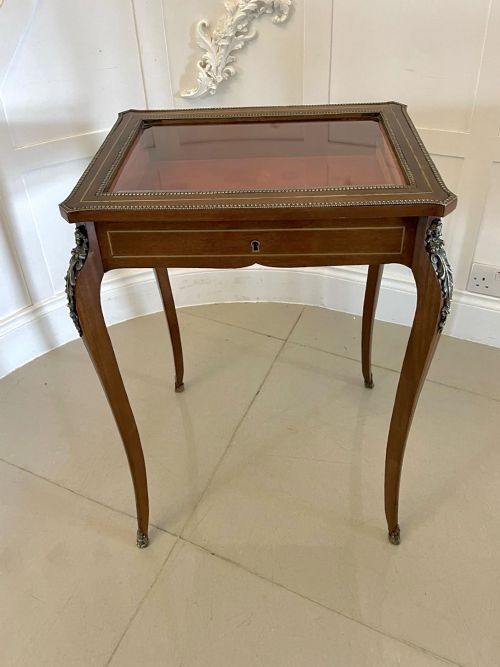
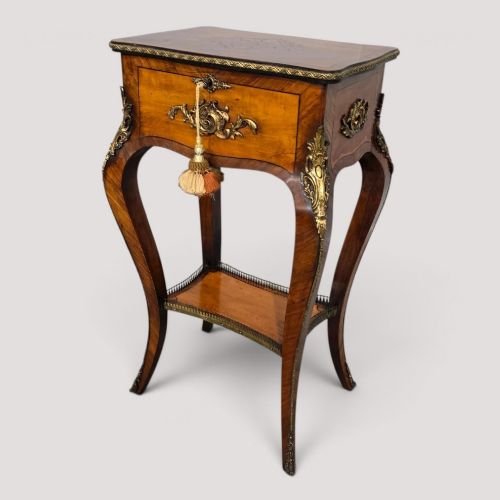
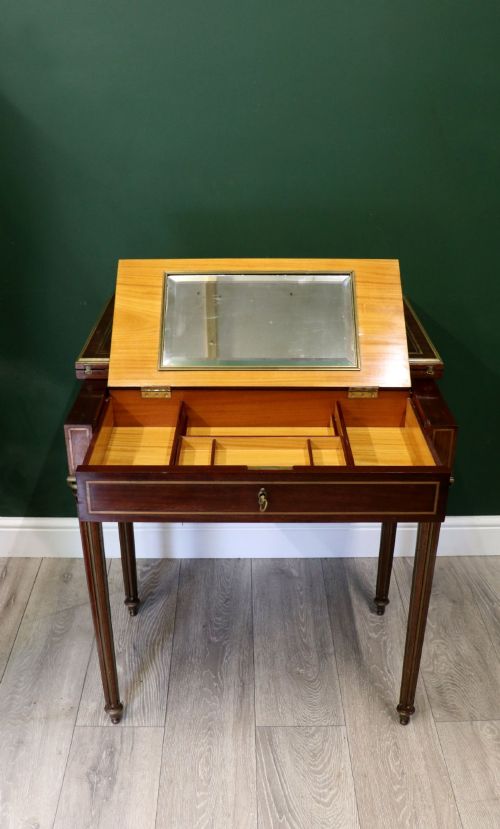
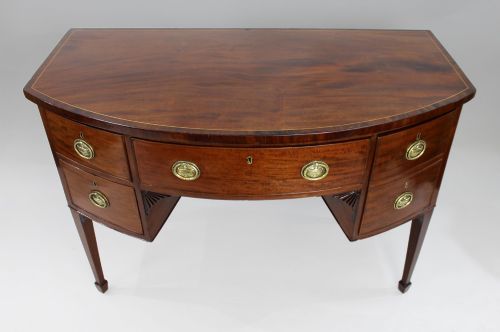
Brass Side Table Cabinet
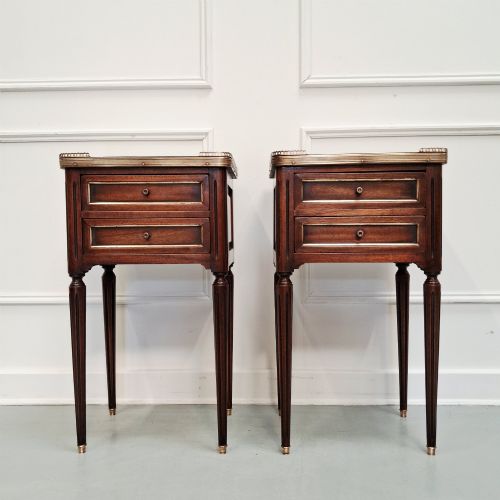
A brass side table cabinet brings together functional storage and decorative metalwork, mostly appearing in French continental designs from the nineteenth and early twentieth centuries.
Brass Side Table Cabinet
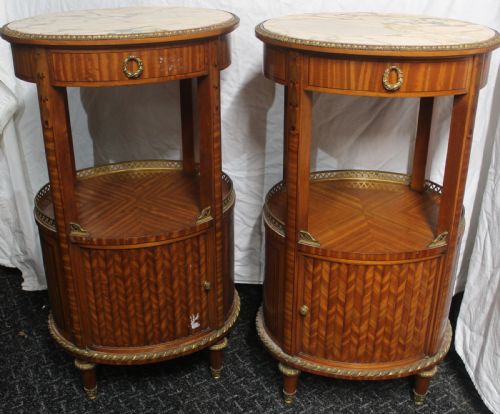
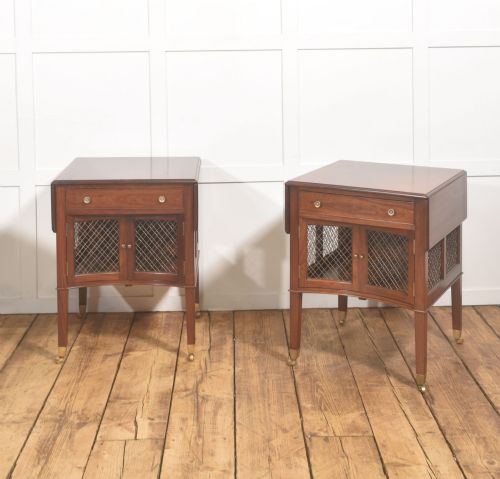
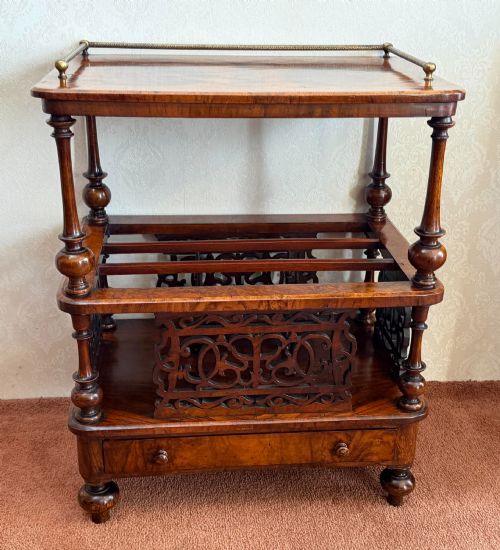
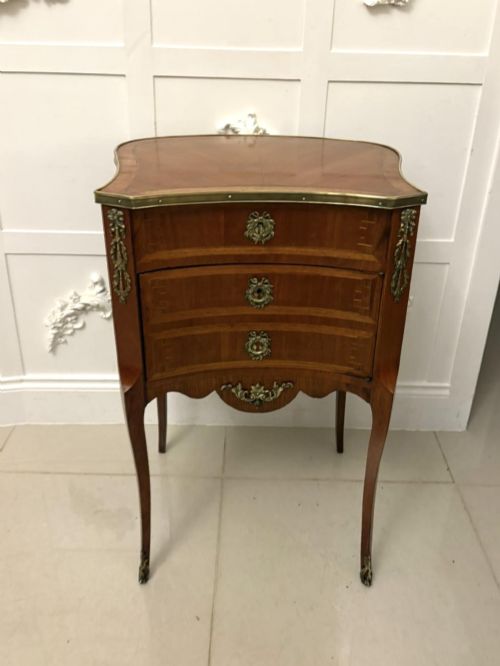
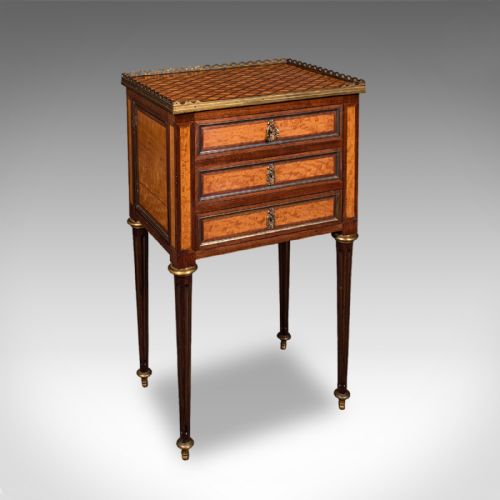
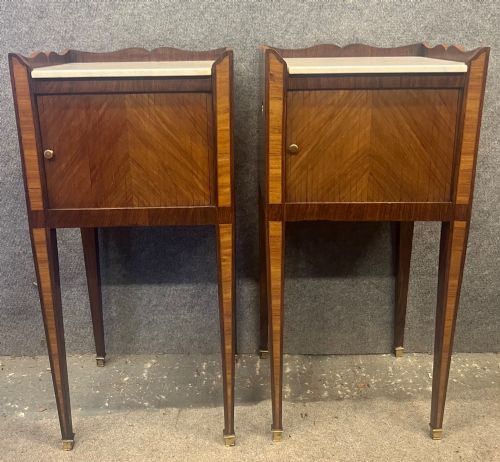
A brass side table cabinet is primarily encountered in forms such as bedside cabinets, nightstands, and small side tables originating from the Victorian period through the nineteen-thirties.
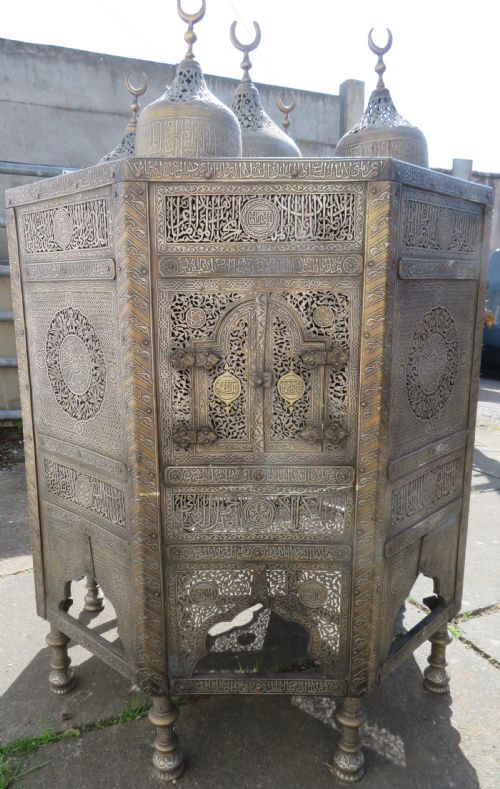
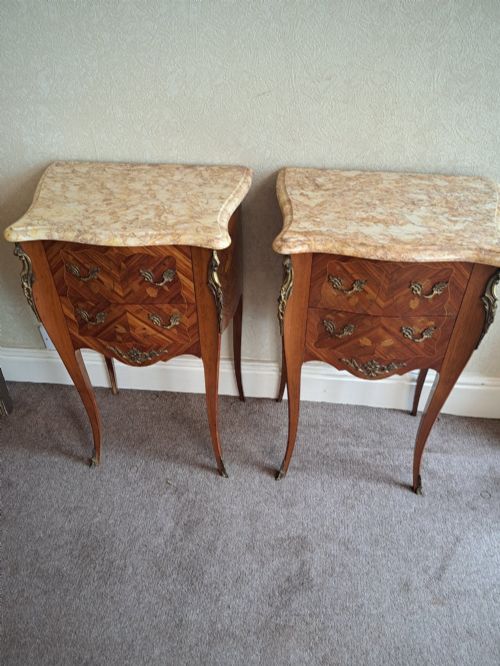
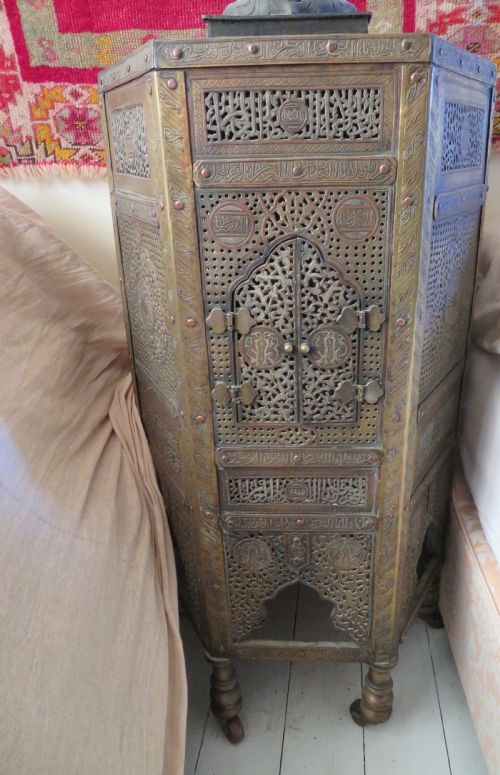
The pieces frequently display continental influences, particularly Louis XV and Louis XVI revival styles, alongside occasional Cairo ware and Empire designs.
Buyers seeking this phrase encounter compact storage furniture designed for domestic rooms, combining small cupboards or drawers with decorative surfaces.
Materials and Construction
Makers utilised timber carcases built from mahogany, walnut, rosewood, kingwood, and satinwood, frequently enhanced by intricate marquetry and inlay work.
Metal detailing forms a primary structural and decorative component, employing brass mounts, handles, and inlays alongside ormolu, copper, and white-metal.
Many surfaces incorporate inset marble tops or glass elements, combining stone and timber with metal trim.
Brass Side Table Cabinet Retail Price Guide 2026
Typical asking prices for brass side table cabinet among the pieces listed under this phrase on Sellingantiques today, from the lower quarter to the upper quarter. They describe what is for sale here now, not the wider market.
Listings combine nineteenth-century Victorian pieces with nineteen-thirties items, uniting mahogany, walnut, and kingwood with brass and marble.
Quality Variations
The standard of a brass side table cabinet rests upon the precision of its marquetry and the crispness of its metal mounts, where hand-chased ormolu contrasts with simpler stamped brass.
Timber selection dictates the distinction between standard production and exceptional examples, particularly in the figuring of kingwood, rosewood, and mahogany veneers.
Integration of materials defines the upper tier, seen in how seamlessly marble tops, brass handles, and inlaid veneers fit into the overall carcase.
The Brass Side Table Cabinet Glossary
- Chevet
- A French bedside table or small cabinet. These pieces typically feature a small cupboard door and sometimes an open shelf.
- Ormolu
- Gilded bronze used for decorative mounts and accents. It provides a bright metallic finish on nineteenth-century furniture.
- Cairo ware
- Metalwork featuring intricate silver and copper inlay on a brass ground. This style appears on occasional tables and stands from the early twentieth century.
- Marquetry
- Inlaid wood veneers forming decorative patterns. Craftsmen use various coloured timbers to create floral or geometric designs on the cabinet surface.
- Bijouterie cabinet
- A display table with a glass top or panels intended for holding small treasures. These items often incorporate fine timber and brass detailing.
Brass Side Table Cabinet: Frequently Asked Questions
What rooms suit a brass side table cabinet?
These compact cabinets fit easily beside a bed or in a living room as an occasional surface. Their enclosed storage holds small items while the top surface supports lamps or decorative objects.
Their varied heights and small footprints allow them to sit comfortably in narrow spaces or hallways without dominating the room.
How do I distinguish Louis XV from Louis XVI style?
Louis XV style pieces emphasise curved lines, cabriole legs, and asymmetrical rococo ornamentation. The forms feel organic and flowing.
Louis XVI style shifts toward straight lines, symmetrical geometry, and neoclassical restraint, often featuring fluted legs and rectilinear carcases.
What is Cairo ware?
Cairo ware describes metalwork originating from Egypt during the late nineteenth and early twentieth centuries, featuring dense copper and silver inlay on brass bases. These pieces bring distinct geometric patterns to occasional tables and stands.
They reflect the Orientalist taste popular among European collectors during that era.
Are marble tops original to these cabinets?
Marble tops frequently appear on nineteenth-century French bedside cabinets and console tables. They provide a durable, water-resistant surface above the timber carcase.
In many cases, the marble is fitted into a recessed wooden frame designed specifically to hold the stone slab.