


Brass Side Chair
A brass side chair brings metallic gleam and sturdy seating to a room, drawing the eye with contrasting wood and polished metal.
Brass Side Chair
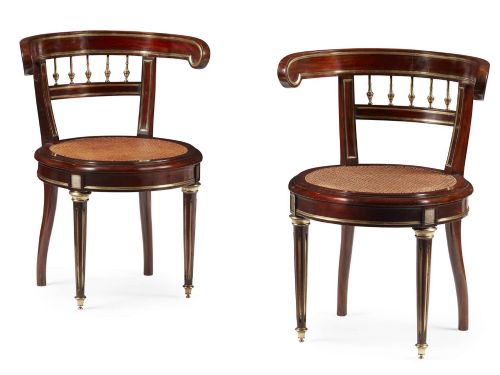
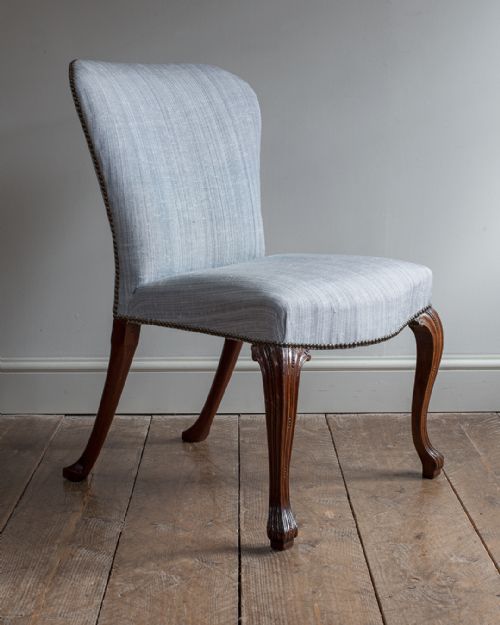
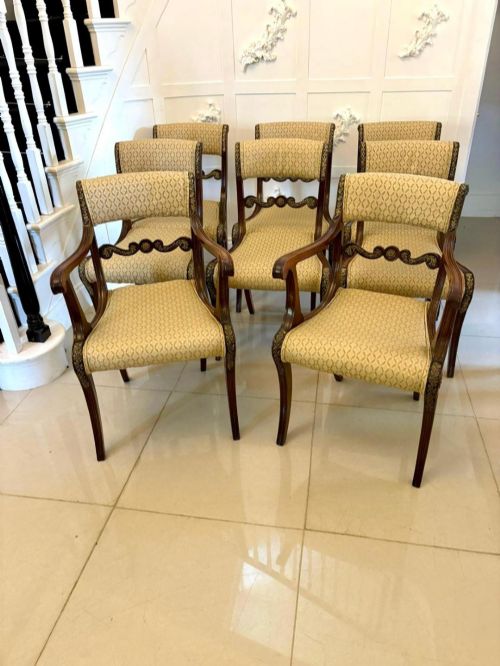
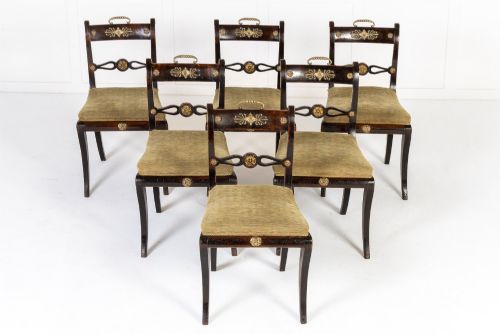
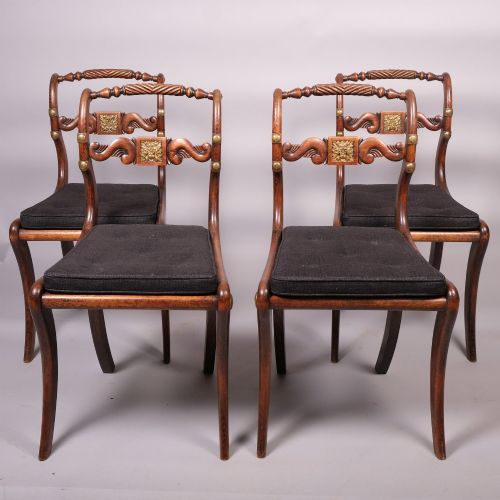
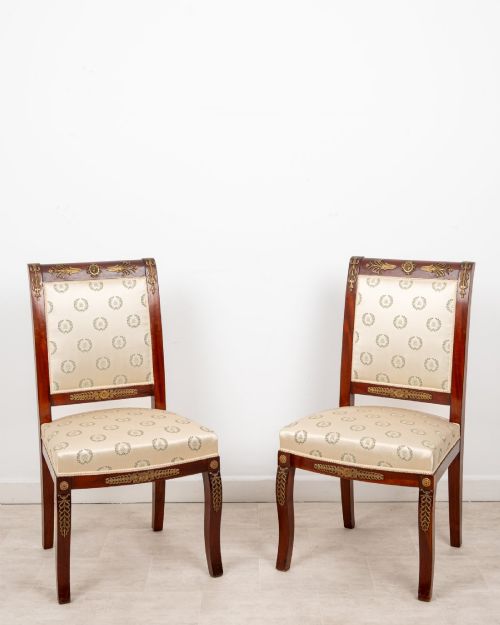
A brass side chair searched for here typically emerges from the Regency and Victorian periods, often styled with inlaid metalwork tracing the timber frame. These pieces function as decorative seating for dining rooms, halls, and salons, originating from English, French, and Spanish workshops.
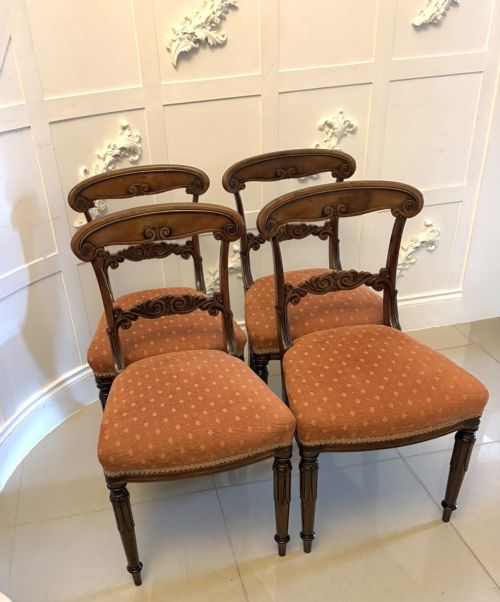
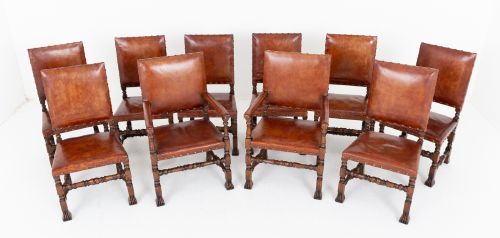
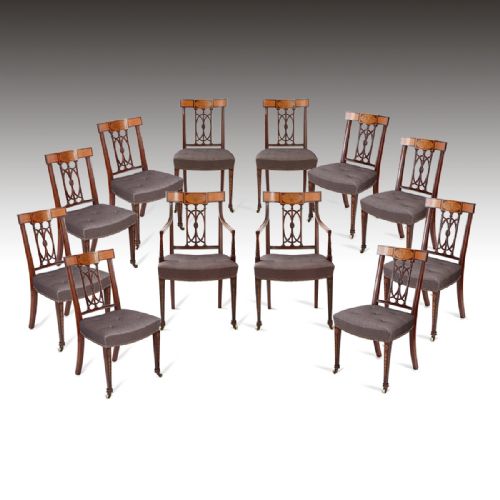
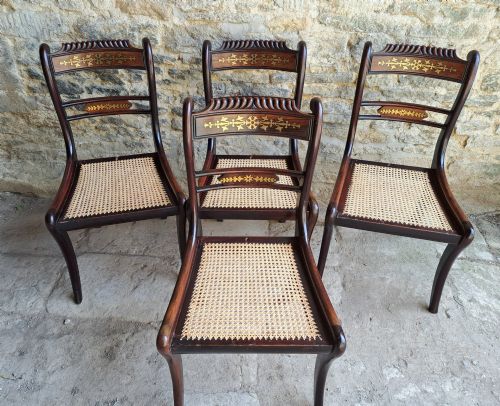
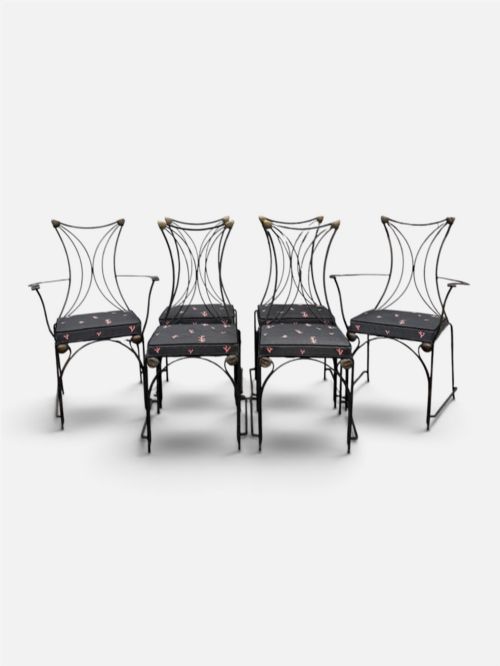
The selection ranges from simulated rosewood dining chairs with delicate brass lines to solid mahogany frames adorned with ormolu mounts and brass inlays. Buyers encounter single occasional seats as well as matched sets spanning four to twelve chairs.
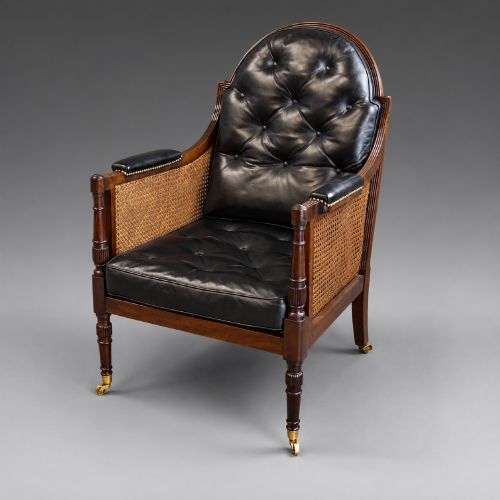
Alongside formal dining chairs, the listings include prayer chairs, hall chairs, and bergere armchairs incorporating brass details. These forms bridge utilitarian seating and decorative display, reflecting the stylistic shifts of the nineteenth and early twentieth centuries.
What varies in quality
The precision of the brass inlay work dictates the refinement of the piece, where tight joints and complete linear patterns distinguish superior examples from simpler ones. Timber selection also plays a role, with dense rosewood and figured mahogany commanding higher regard than secondary woods.
The integration of metal mounts and structural stability under daily use separates robust exhibition pieces from standard utilitarian seating. Original surface patination and intact upholstery materials further define the standing of each chair within its period.
Brass Side Chair Retail Price Guide 2026
Typical asking prices for brass side chair among the pieces listed under this phrase on Sellingantiques today, from the lower quarter to the upper quarter. They describe what is for sale here now, not the wider market.
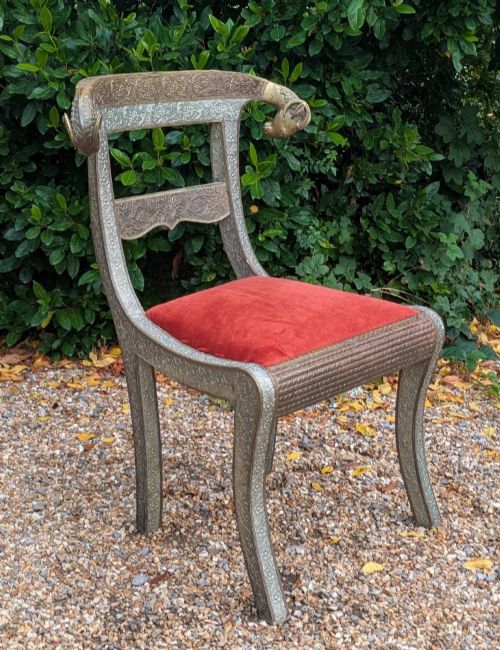
An unexpected Indian wedding chair brings ram heads and silver into the mix.
Howard and Co
The Brass Side Chair Glossary
- Brass inlay
- Thin strips of brass fitted into routed channels in the wooden frame to create geometric or floral patterns.
- Ormolu
- Gilt-bronze or brass mounts applied to furniture surfaces for decorative effect.
- Bergere
- An enclosed upholstered armchair with wooden framing and cane or upholstered sides.
- Simulated rosewood
- A painted or stained finish applied to a common timber to imitate the grain and colour of genuine rosewood.
- Castor
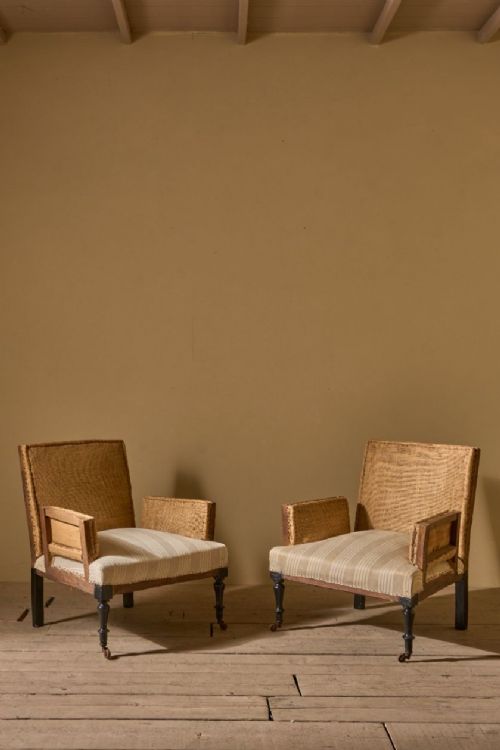
- A small wheel attached to the base of chair legs to facilitate movement across floors.
Brass Side Chair: Frequently Asked Questions
Were brass side chairs used for dining?
Many examples served around dining tables, particularly the matched sets produced during the Regency period. Their elegant profiles allowed them to function both as practical seating and decorative accents.
Other variations acted as salon chairs, hall chairs, or occasional seating in reception rooms. Their versatility meant they moved easily between formal and informal spaces within a house.
How do I care for brass inlay?
Maintenance involves dusting the timber and metal regularly with a soft, dry cloth to prevent grime accumulation. Avoid harsh chemical polishes that might stain the surrounding wood veneer or loosen the metal strips.
Keeping the chairs away from direct heat sources and excessive moisture preserves the integrity of both the glue holding the brass and the timber frame. Gentle conditioning helps maintain the finish of the wood.
What is the difference between side chairs and armchairs?
Side chairs are built without armrests, making them compact enough to tuck neatly around a dining table or line a hallway wall. Armchairs feature supportive sides that offer a more enclosed and relaxed seating position.
Both forms utilise similar decorative vocabulary, including brass inlays and carved wooden frames, allowing them to be paired together in a room. The choice between them depends on the intended function and available space.