



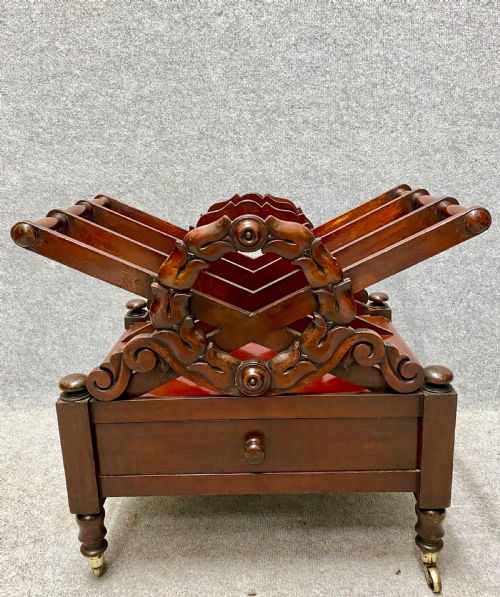


Brass Sheet Music Cabinet
These brass sheet music cabinet designs bring together fine timber and thoughtful metalwork to keep scores tidy in a sitting room.
Brass Sheet Music Cabinet
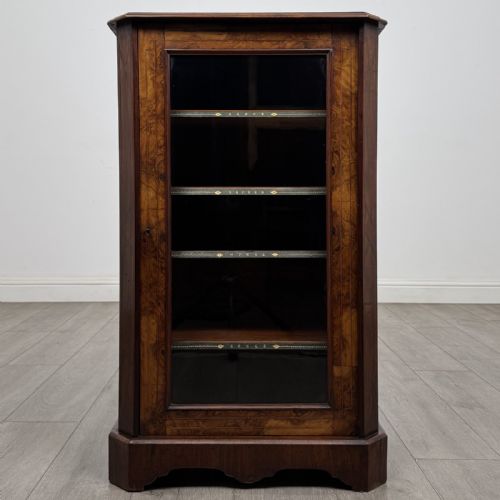
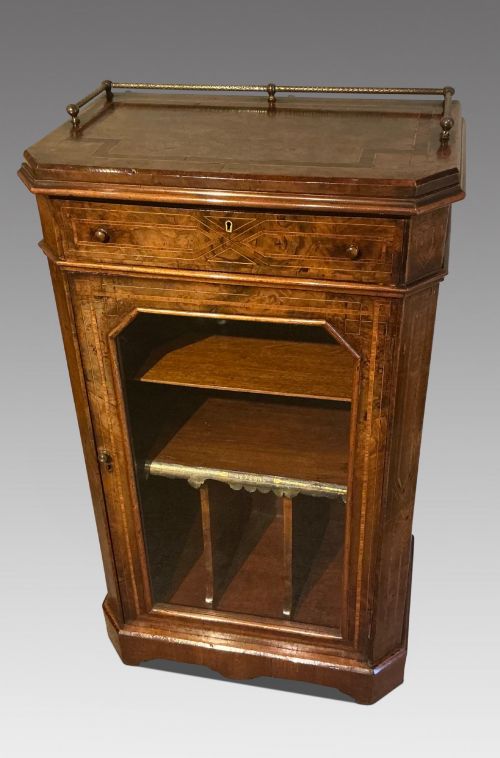
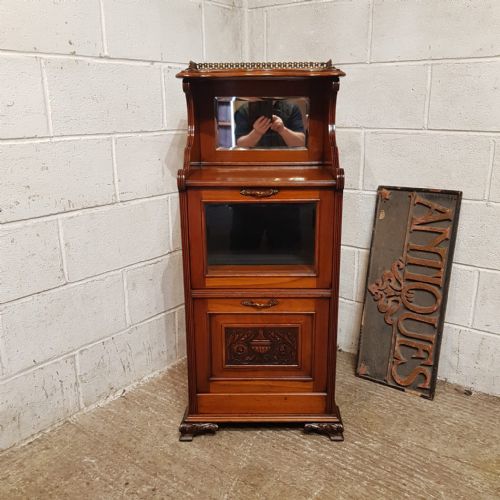
A brass sheet music cabinet is a specialised piece of furniture built to hold unbound scores, folios, and sheet music close to the piano or music room seating.
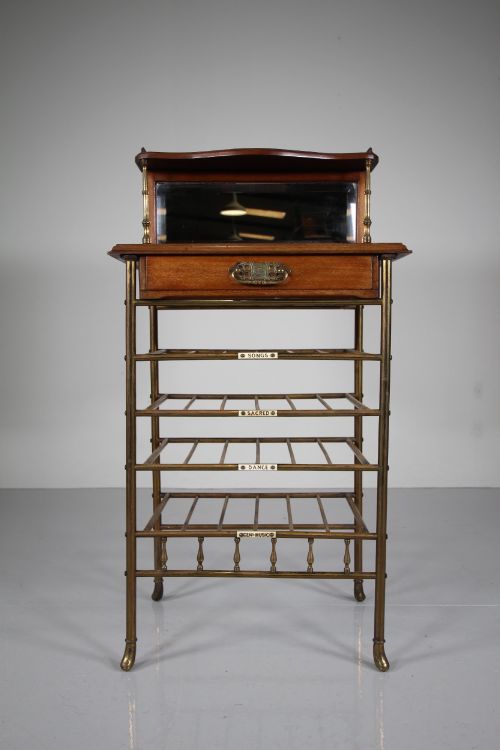
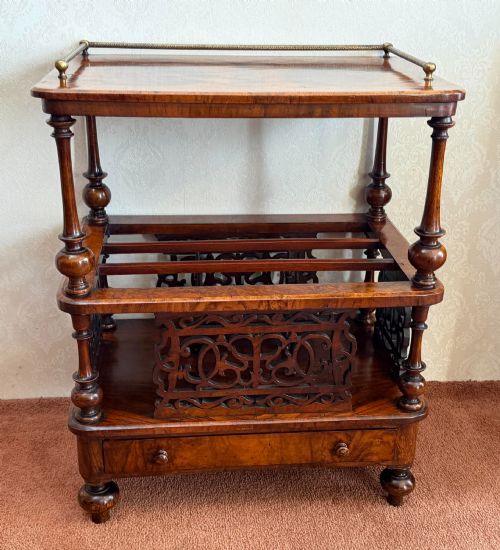
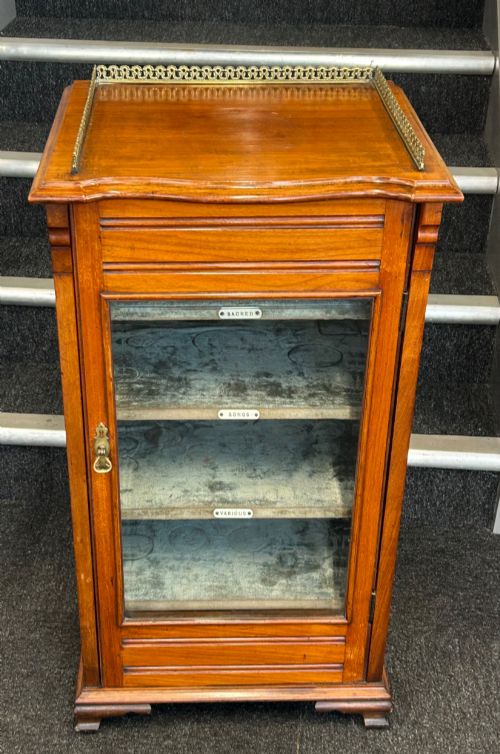
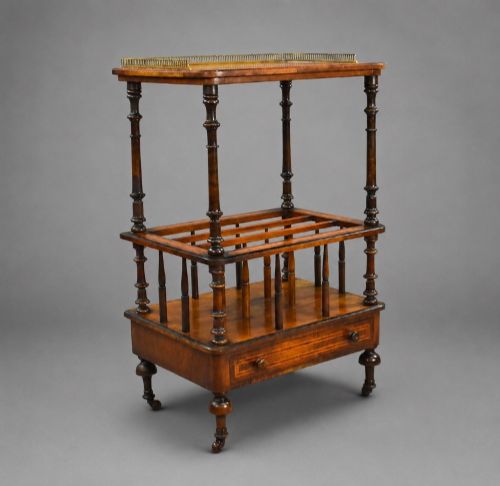
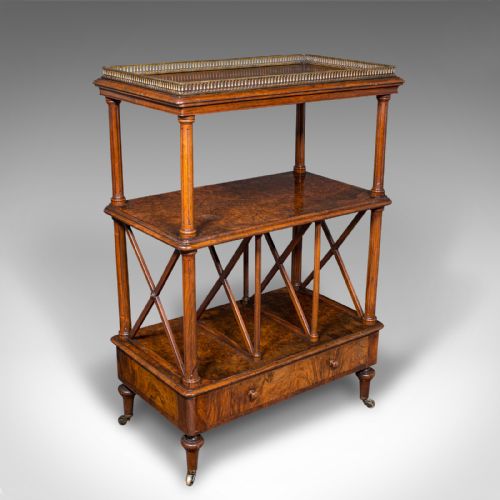
The versions met most often on this page belong to the Victorian and Edwardian eras, taking the form of upright cabinets, open canterburys, and compartmentalised racks.
Makers shaped these pieces from timbers such as burr walnut, mahogany, rosewood, and ebonised wood, often finishing the tops with cast or pierced brass galleries.
How they were made
Cabinet makers used solid and veneered timbers, selecting figured burr walnut, rich mahogany, and dark rosewood to construct the main bodies and internal shelves.
Metal components were cast or fashioned from brass to form protective galleries, carrying handles, delicate hinges, and division rods for the sheet partitions.
Brass Sheet Music Cabinet Retail Price Guide 2026
Typical asking prices for brass sheet music cabinet among the pieces listed under this phrase on Sellingantiques today, from the lower quarter to the upper quarter. They describe what is for sale here now, not the wider market.
Materials across these listings span walnut, burr walnut, mahogany, ebonised wood, and rosewood, paired with glass and brass.
What varies in quality
The distinction between standard examples and finer pieces lies in the choice of timber veneer, where deeply figured burr walnut or rich grain elevation sets certain cabinets apart.
Quality also shows in the metalwork, distinguishing simple cast brass fittings from crisply pierced brass galleries and robustly jointed internal divisions.
Henry Ogden and Son·J C Loudon
The Brass Sheet Music Cabinet Glossary
- Canterbury
- A low stand featuring vertical partitions for holding sheet music, folios, or newspapers, often mounted on castors. Originating in the late eighteenth century, these useful stands remained popular through the Victorian period.
- Etagere
- A set of open tiered shelves used for displaying small decorative objects or holding books and papers. They often appear combined with cabinet storage in music room furniture.
- Gallery
- A low ornamental railing, usually made of pierced or cast brass, fitted around the top edge of a cabinet or table to stop items from sliding off.
- Burr walnut
- A prized timber veneer taken from the knotted growth of a walnut tree, yielding a swirling, highly decorative grain pattern used on high-grade Victorian cabinetry.
- Aesthetic Movement
- A late nineteenth-century design style that emphasised visual beauty and artistic reform over heavy historical revivalism, often incorporating ebonised wood and subtle brass details.
Brass Sheet Music Cabinet: Frequently Asked Questions
What is a music canterbury?
A music canterbury is a low compartmentalised stand designed specifically to keep sheet music and folios upright and organised near a piano.
These pieces typically feature vertical wooden or brass divisions and often include a lower drawer for smaller accessories.
How do I tell Victorian from Edwardian pieces?
Victorian cabinets often display heavier timbers like burr walnut and mahogany, frequently enhanced with marquetry inlay and ornate brass galleries.
Edwardian examples tend to show lighter construction, simpler lines, and sometimes transitional Arts and Crafts influences in their layout.
Where should I place a music cabinet?
These cabinets suit a living room, study, or music room where their compact footprint allows them to sit beside a piano or seating area.
The enclosed shelving and slotted compartments keep sheet music protected from dust while remaining close at hand.
Did these cabinets only hold music?
While built for scores and folios, many of these cabinets and canterburys were also utilised for newspapers, magazines, and general correspondence.
Their versatile internal divisions made them practical general storage pieces for parlours and drawing rooms.