
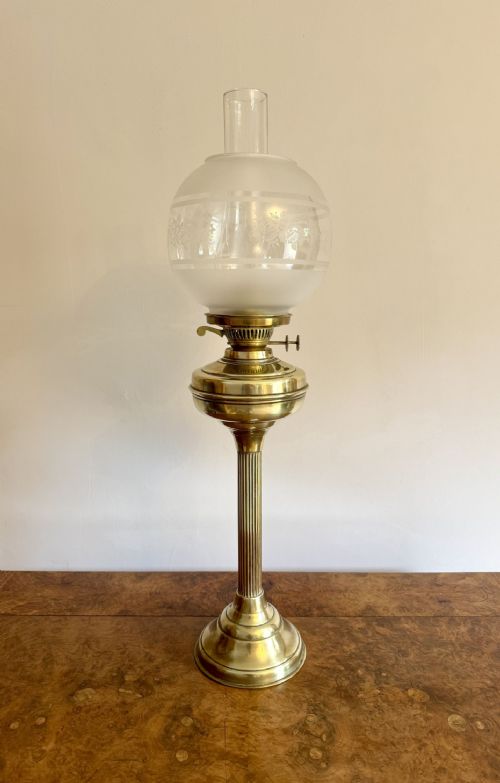


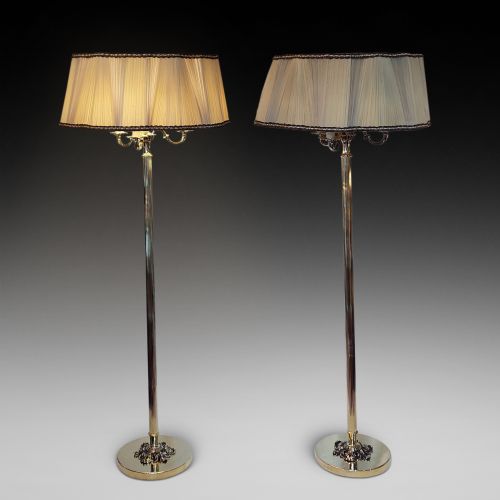


Brass Reeded Column Light
A brass reeded column light brings architectural dignity and warm metallic lustre to a room, offering the timeless appeal of classical vertical shafts.
Brass Reeded Column Light
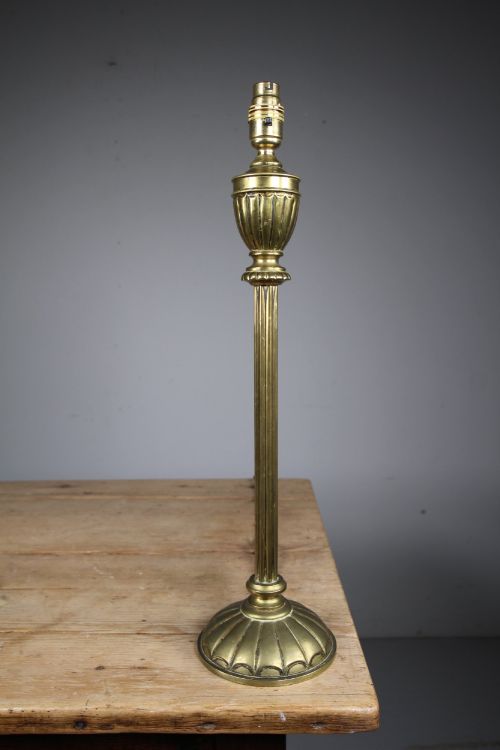
When you search for a brass reeded column light, you are looking at domestic lighting fixtures shaped by classical architecture and historical revival styles. These pieces draw heavily on architectural orders, utilising fluted or reeded shafts that echo ancient stone columns. The form bridges centuries of interior design, moving from oil-burning origins to electrified table and floor fittings.
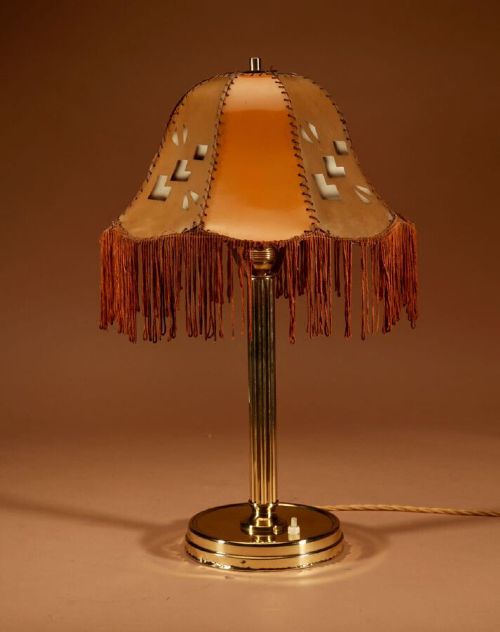
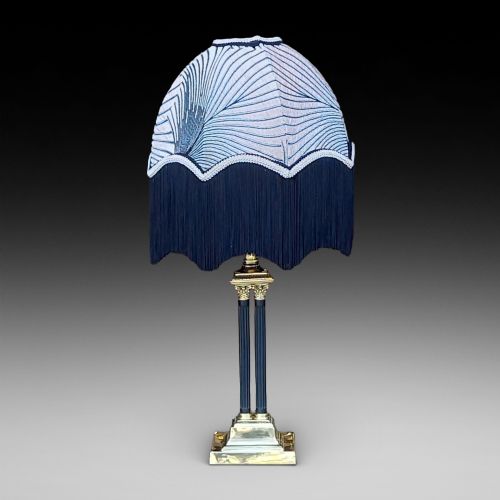
The version you are most likely to meet on this page is the table lamp or standard lamp, often rooted in the Victorian or Edwardian periods. Many examples survive as former oil lamps converted to electricity, whilst others began life as candlesticks or dedicated electric fittings. They appear in configurations ranging from single Corinthian or Doric capitals to taller floor-standing uplighters.
Materials and influences span several decades, incorporating brass bodies paired with glass, ceramic, or fabric elements. Styles stretch from Victorian Neoclassical and Gothic Revival down to Art Deco and 1920s classicism. Their enduring presence in homes stems from this versatility, suiting both traditional studies and eclectic modern drawing rooms.
Materials and construction methods
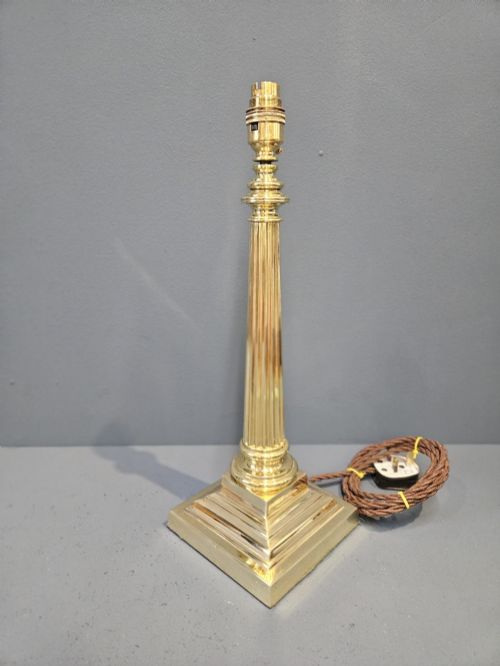
Construction relies heavily on cast and turned brass, often shaped into slender columns with detailed reeding along the shaft. Makers incorporated weighted bases to ensure stability, particularly for taller standard lamps and multi-light candelabra stands. Bronze and gilt finishes also appear alongside the primary brass medium, adding tonal depth to the metalwork.
Electrical conversion and wiring represent a significant secondary phase in the life of these pieces. Original oil mechanisms, such as duplex burners, were frequently replaced or adapted for modern flex and lamp holders. Where fabric, braided flex, thread, or glass shades are present, they complement the rigid metallic structure with softer textures.
Object forms include table lamps, standard floor lamps, oil lamps, candlesticks, and multi-light candelabra stands.
Judging execution and finish
Quality in these columns rests upon the crispness of the casting and the fidelity of the classical orders. Superior examples display sharp definition in the acanthus leaves of a Corinthian capital and smooth, uniform spacing in the reeding of the shaft. Lesser pieces may show softer detail or simplified collars where components meet.
Weight and structural integrity also separate standard production from superior work. A heavier gauge of brass and substantial sub-bases provide a solid stance that prevents wobbling, particularly on tall floor lamps. The quality of historical conversions, when wiring and brass fittings integrate cleanly without damaging the original metal, further distinguishes the better pieces.
The Brass Reeded Column Light Glossary
- Reeding
- Parallel convex mouldings set closely together along the vertical shaft of a column. This decorative technique creates texture and catches the light effectively.
- Corinthian column
- A classical architectural order featuring an ornate capital decorated with rows of acanthus leaves. It forms the decorative summit of many formal table lamps.
- Duplex burner
- A double-wick mechanism found on nineteenth-century oil lamps designed to increase illumination. Many surviving lamps retain these metal assemblies despite electrical conversion.
- Standard lamp
- A tall floor-standing lighting fixture designed to illuminate a room from a standing position. These often include adjustable height mechanisms or uplighter bowls.
- Doric column
- A sturdy classical architectural order with a plain, unadorned capital. It offers a more austere and robust profile than its Corinthian counterpart.
Brass Reeded Column Light: Frequently Asked Questions
How do I date a brass column lamp?
Dating relies on stylistic clues, manufacturing techniques, and the transition from oil to electricity. Victorian and Edwardian examples often display heavier cast brass components and detailed classical capitals.
Later pieces from the 1920s and 1930s may incorporate Art Deco influences or simpler geometric stepped bases. Examining the switches, screw threads, and wiring channels helps distinguish original nineteenth-century fabrications from twentieth-century revivals.
Can converted oil lamps be used safely?
Most converted oil lamps can be used safely provided they have been inspected and rewired by a competent electrician. The heavy brass reservoirs and columns make exceptionally stable bases for modern electrical components.
During conversion, care is typically taken to preserve the original burner mechanism and collar while routing modern braided flex safely through the central channel.
What is the difference between a standard lamp and a table lamp?
Standard lamps are tall floor-standing fixtures designed to stand directly on the floor and illuminate a wider area. Table lamps are proportioned for placement on side tables, desks, or chests.
Both formats utilise the same reeded column vocabulary, but floor versions often feature heavier weighted bases and sometimes adjustable height stems.
How should I clean antique brass?
Antique brass is best maintained with a gentle dusting and occasional cleaning using a non-abrasive cloth. Harsh chemical polishes should be avoided because they strip away the accumulated patina and age of the metal.
Allowing the brass to retain its natural, unpolished warmth preserves the historical character accumulated over the Victorian and Edwardian eras.