




Brass Picture Stand
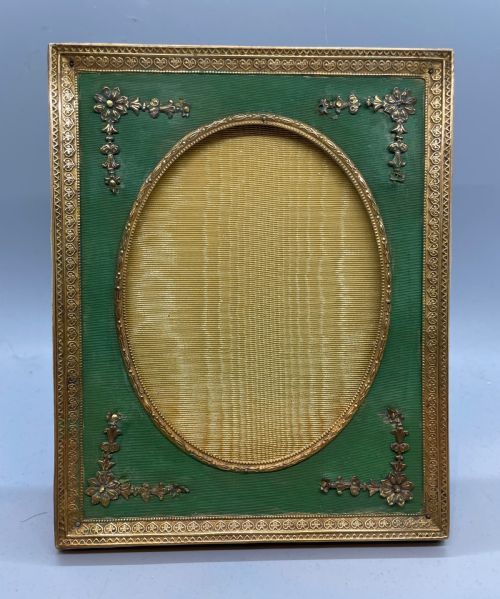
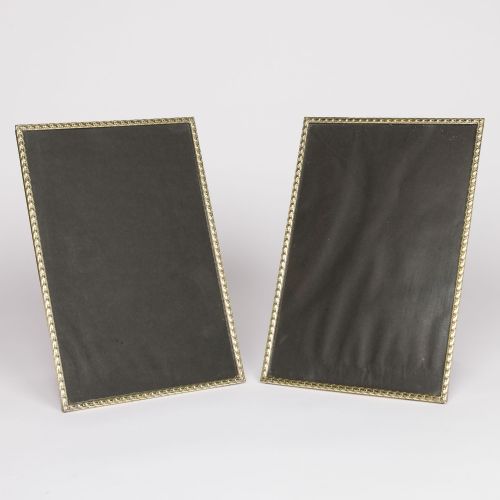
These brass picture stand examples combine metalwork and display, offering a functional way to showcase photographs and miniatures.
Brass Picture Stand
A brass picture stand functions primarily as a frame or mount for small portraits, photographs, and decorative plaques. These pieces range from simple Victorian double frames to elaborate French ormolu designs.
The selection includes items from the mid nineteenth century through the Edwardian period, encompassing table mirrors and portrait miniatures on stands. Most examples incorporate glass panels, velvet linings, or fabric backing to protect the displayed image.
Materials and construction methods
The construction relies heavily on brass, ormolu, and gilt bronze, often shaped into ornate rococo, neoclassical, or Art Nouveau styles. Metal casting and gilt finishing create the metallic sheen seen across the selection.
Makers integrated decorative elements such as paste stones, blue trim, and damask fabrics into the metal frameworks. Glazed sections and hinged easel backs provide both structural support and physical protection for the photographs and plaques.
Brass Picture Stand Retail Price Guide 2026
Typical asking prices for brass picture stand among the pieces listed under this phrase on Sellingantiques today, from the lower quarter to the upper quarter. They describe what is for sale here now, not the wider market.
Listings span the mid nineteenth century to the early twentieth century, incorporating materials like velvet, glass, and gilt bronze.
Evaluating craftsmanship and detail
Quality differentiates through the crispness of the cast metal ornamentation and the refinement of the gilding. Heavier bronze and ormolu castings display sharper detailing in stylistic motifs than lighter gilt metal alternatives.
The integration of supplementary materials, such as inset paste stones or specialised fabric backings, indicates higher production standards. Surviving original glass and secure easel mechanisms further distinguish superior examples.
The Brass Picture Stand Glossary
- Ormolu
- A gilded bronze technique used extensively in French decorative metalwork. It involves applying a finely ground gold-mercury amalgam to bronze.
- Easel back
- A hinged support attached to the rear of a frame or stand. This allows the object to rest at an angle on a flat surface.
- Paste stone
- Faceted glass cut and polished to resemble gemstones. These are frequently set into decorative metal frames.
- Portrait miniature
- A small painted portrait on ivory, vellum, or paper. They are often housed within specialised metal frames or stands.
Brass Picture Stand: Frequently Asked Questions
How do I date a brass picture stand?
Dating relies on stylistic clues such as the flowing organic lines of Art Nouveau or the symmetrical motifs of neoclassical revival. Material composition and manufacturing techniques also help determine whether a piece originates from the Victorian or Edwardian eras.
Examining the construction of the easel back and the type of glass or backing used provides further chronological context.
Were these stands made for photographs?
Many of these pieces were specifically produced to hold albumen prints and early photographic formats popular in the late nineteenth and early twentieth centuries. Others were adapted to display hand-painted porcelain plaques or portrait miniatures.
The inclusion of glazed compartments and adjustable metal clips accommodates these various image types.
What is the difference between brass and ormolu?
Brass is an alloy of copper and zinc, which forms the foundational metal structure for many standard frames. Ormolu specifically refers to gilded bronze, possessing a deeper and richer metallic lustre due to the gold content applied to the bronze base.
Gilt metal and gilt bronze occupy intermediate categories depending on the underlying alloy and finishing method.
How should I clean a brass picture stand?
Maintenance requires gentle dusting with a soft, dry cloth to prevent accumulation of debris within intricate cast details. Chemical polishes should be avoided, particularly on ormolu and gilt surfaces, as abrasive cleaning removes the historical finish.
Preserving the original patination maintains both the visual character and the material integrity of the metalwork.