





Brass Mounted Shelf Clock
These brass mounted shelf clock pieces bring sculptural presence and precision timekeeping to a room, uniting functional mechanics with decorative metalwork.
Brass Mounted Shelf Clock
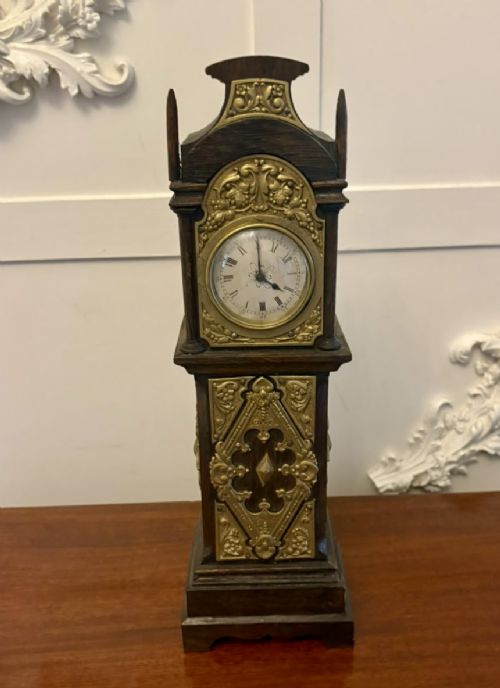
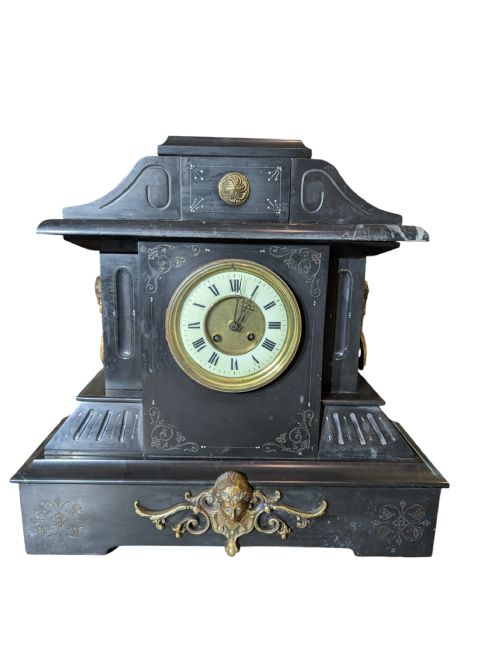
A brass mounted shelf clock serves as both a timekeeper and a decorative centrepiece for mantelpieces, brackets, and desks. These pieces span the Georgian, Regency, and Victorian eras, taking forms from architectural marble cases to elaborate French bracket clocks.
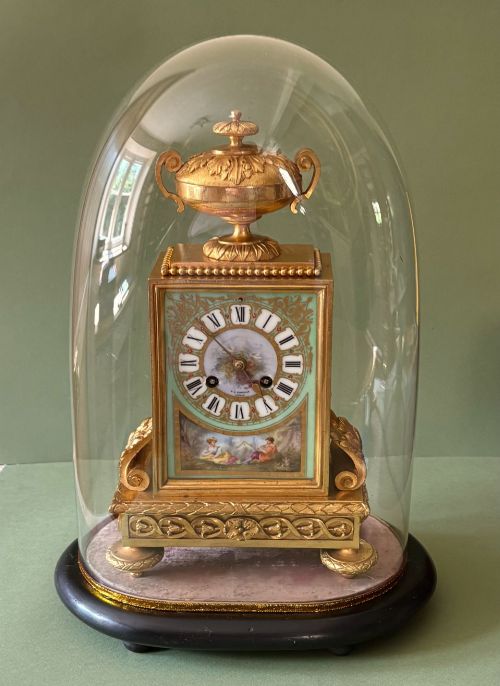
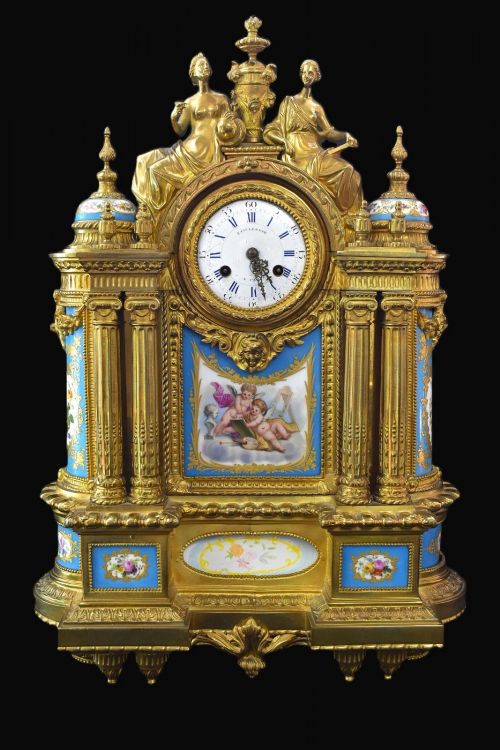
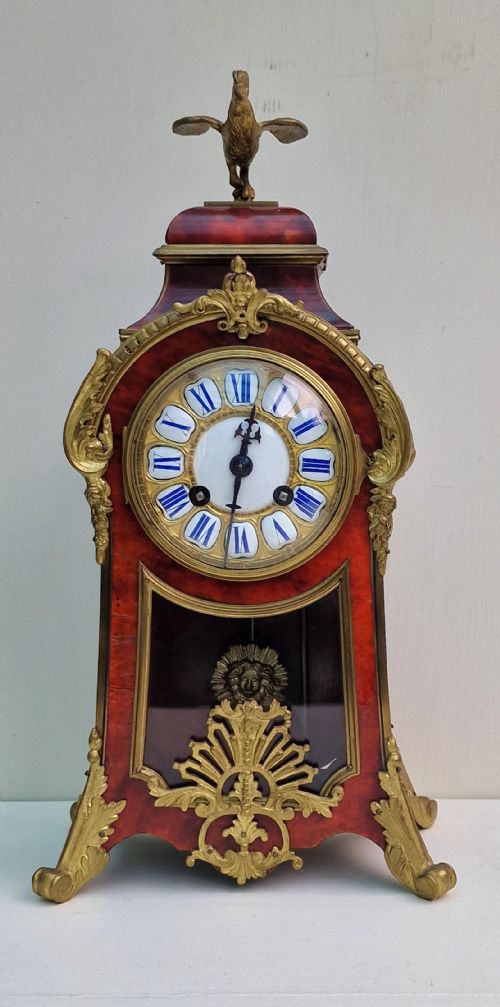
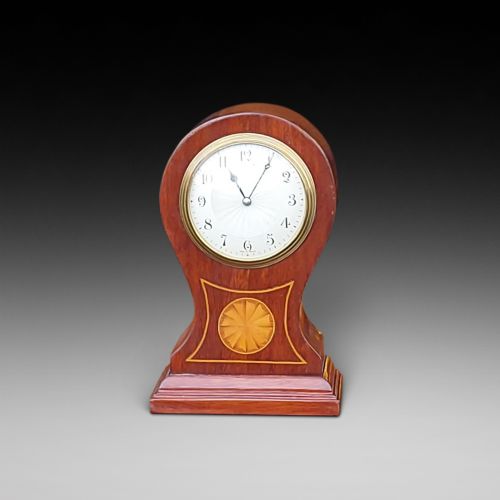
The most common examples on this page are French and English mantel clocks housed in materials such as mahogany, marble, ebonised wood, and porcelain. Many incorporate brass mounts, ormolu, or glass panels to frame the dial and movement.
Materials and Construction
Cases combine timbers such as mahogany, rosewood, and ebonised wood with heavy stone bases in marble and onyx. Metal components rely on cast brass and fire-gilded ormolu for mounts, bezels, and finials.
Dials frequently feature enamel or painted porcelain numerals, protected behind glass doors or bezels. Interiors house mechanical movements driven by springs or weights, ranging from simple timepieces to striking and chiming mechanisms.
Listings include architectural marble cases, porcelain-mounted French designs, and English bracket clocks in mahogany, rosewood, and ebonised wood.
Assessing Quality
Quality rests in the crispness of the cast brass mounts and the selection of cabinet timbers, where burr walnut or figured mahogany elevates the piece. Maker signatures on the dial or movement also distinguish workshops of note from standard production items.
The sophistication of the movement dictates mechanical worth, with eight-day striking systems and Westminster chimes marking higher tiers of execution. Harmony between the decorative case and the original movement preserves the integrity of the object.
Etienne Lenoir·John Bull of Bedford·Lenzkirch·McCabe London·JP Delettrez·Henri Dasson
The Brass Mounted Shelf Clock Glossary
- Ormolu
- Gilt bronze created by applying a mercury and gold amalgam to cast bronze. This technique yields a rich golden finish found on decorative mounts.
- Bracket clock
- A portable spring-driven clock originally designed to sit upon a wall bracket or a shelf. Many feature carrying handles on top.
- Ebonised wood
- Timber treated with a dark stain or finish to imitate ebony. It provides a striking contrast against bright brass and ormolu mounts.
- Enamel dial
- A metal face coated with fused glass powder and fired to create a smooth, white surface for painted numerals. It resists fading over time.
Brass Mounted Shelf Clock: Frequently Asked Questions
What is a brass mounted shelf clock?
A brass mounted shelf clock is a portable mechanical clock designed to stand on a mantelpiece, shelf, or bracket. These pieces feature decorative brass work, ormolu mounts, or bezels integrated into timber, stone, or porcelain cases.
Such clocks function both as timekeepers and as decorative objects of interior furnishing. They reflect the dominant design styles of their period, from French Rococo Revival to English Regency.
How do I wind my clock?
Winding requires inserting the appropriate key into the winding holes on the dial face and turning it gently until resistance is met. Care should be taken not to overwind the mainspring.
Different movements require weekly or daily attention depending on whether they are simple timepieces or complex striking mechanisms. Consult the specific movement type before attempting adjustment.
How do I date a clock?
Dating relies on stylistic clues in the case design, such as the neoclassical lines of the Georgian period or the ornate aesthetic of Napoleon III pieces. Materials like ebonised wood, ormolu, and Sevres porcelain also point to specific manufacturing decades.
Inscriptions, signatures on the backplate, or maker names on the dial provide definitive chronological markers. Comparing these details against known workshop active dates narrows the origin.
Where should I place my clock?
These clocks require a stable, level surface such as a mantelpiece, sideboard, or dedicated wall bracket to maintain accurate pendulum or escapement beat. Avoid locations subject to direct sunlight, dampness, or extreme temperature fluctuations.
Placing the clock away from heavy vibrations ensures the mechanical movement operates without interference. A secure shelf protects the often heavy marble and timber cases from accidental knocks.