

Brass Mounted Furniture
Brass mounted furniture brings together warm timber and crisp metal fittings, offering robust utility and decorative detail across centuries of design.
Brass Mounted Furniture
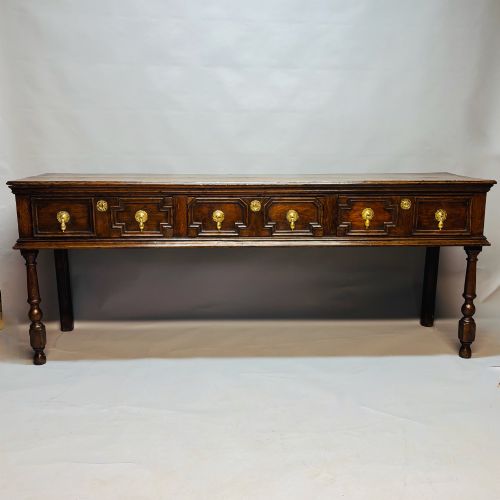
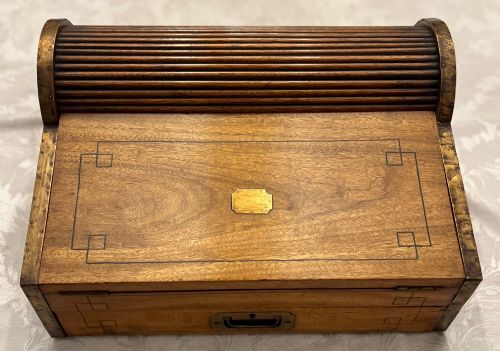
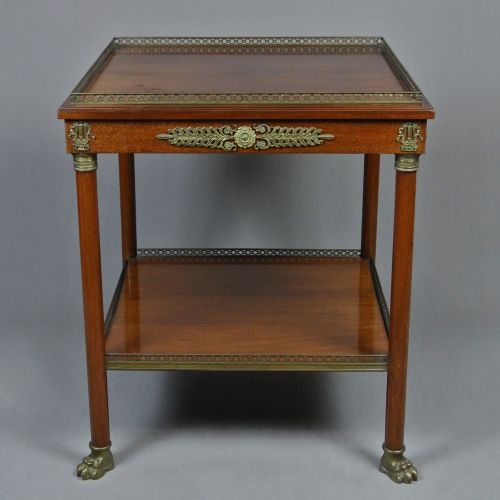
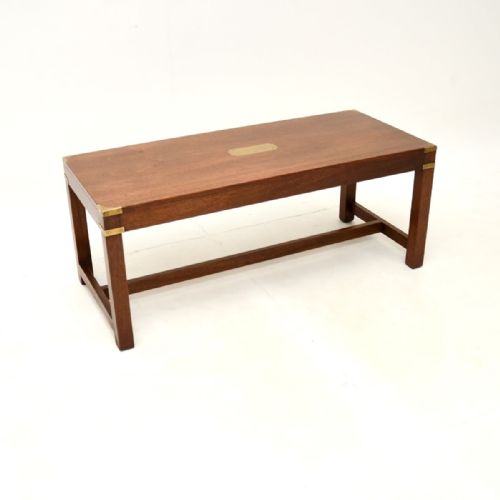
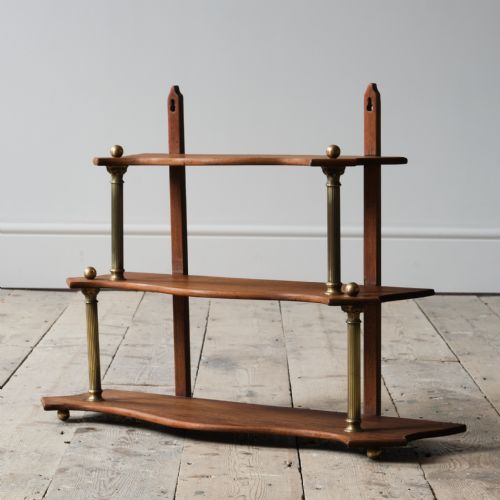
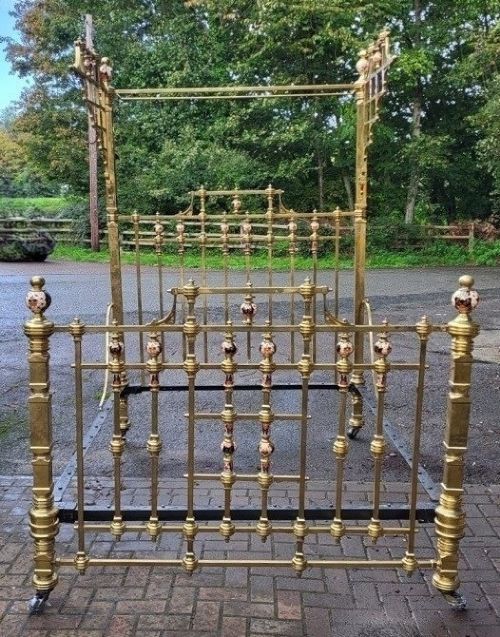
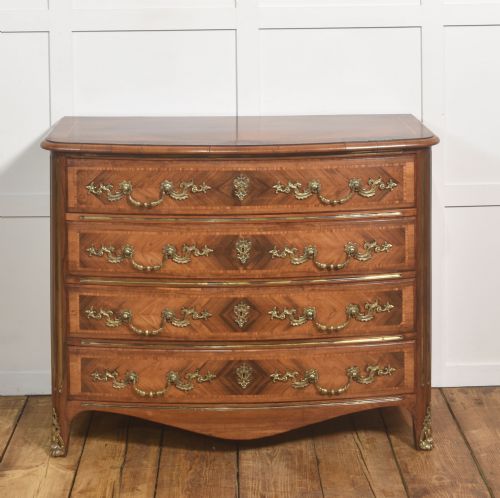
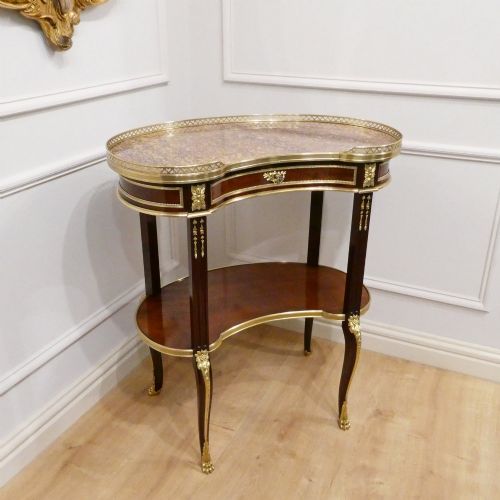
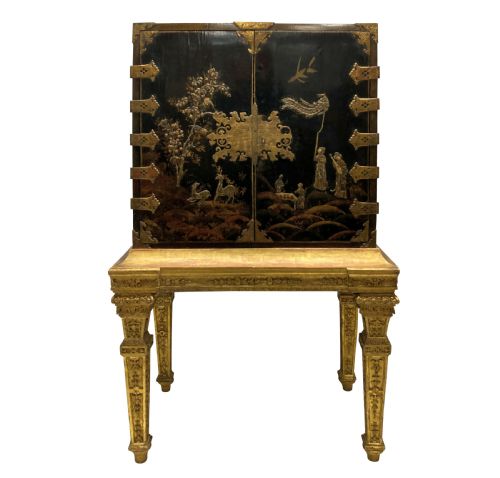
Brass mounted furniture comprises items strengthened, protected or decorated by metal fittings applied to timber carcases. These pieces range from campaign chests and writing boxes designed for travel to formal side tables, cabinets and bookcases intended for domestic interiors.
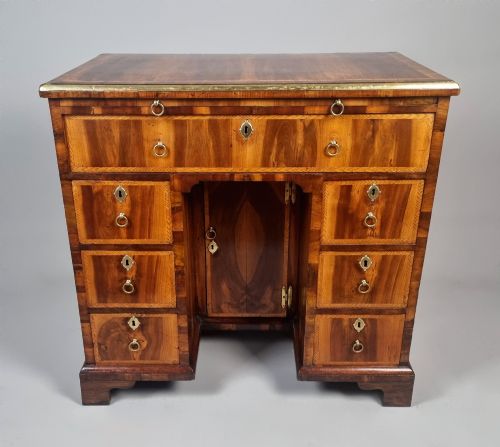
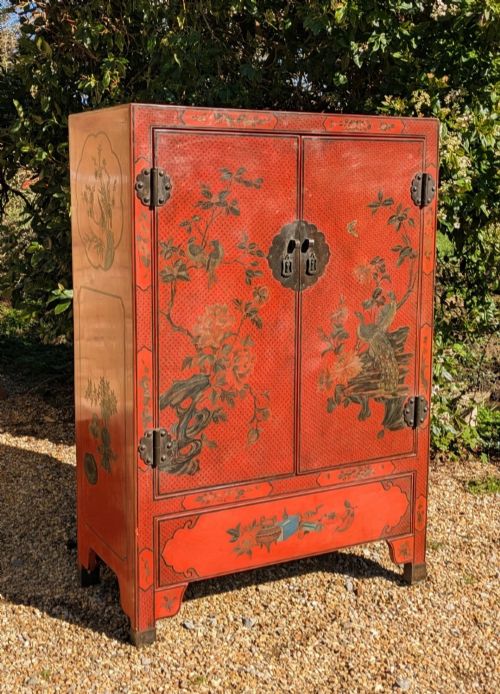
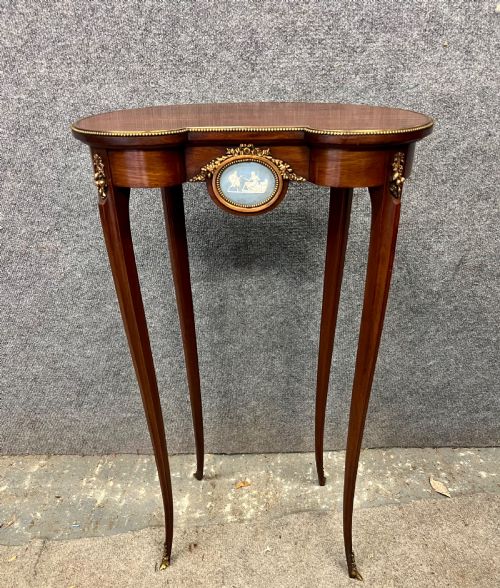
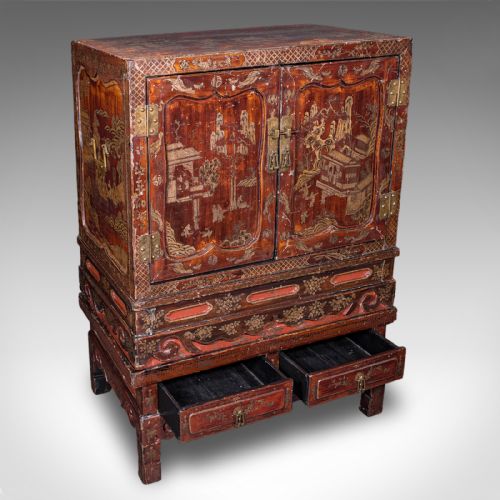
The selections span the eighteenth, nineteenth and early twentieth centuries, drawing on styles such as Regency, Victorian, Louis XVI revival and Chinoiserie. Mahogany, rosewood, walnut and oak form the primary structures, enhanced by brass handles, corners, lock escutcheons and inlays.
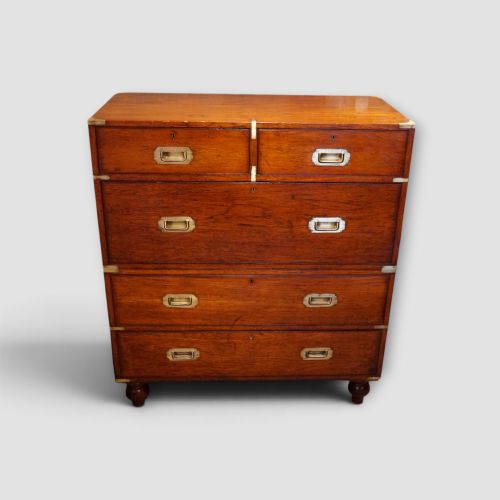
Buyers most frequently encounter nineteenth-century campaign pieces constructed in sections for transport, alongside formal French and English occasional tables, chiffoniers and chests of drawers fitted with cast or chased metal mounts.
How they were made
Cabinet makers utilised dense hardwoods including mahogany, rosewood, satinwood and walnut to build stable carcases that could receive metal mounts without splitting. Timber panels were frequently veneered onto secondary woods or decorated with marquetry and lacquer work.
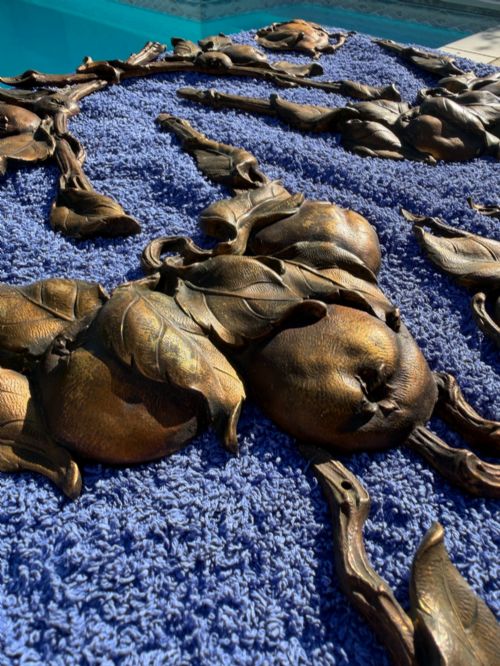
Metalwork involved casting brass, ormolu and gilt bronze into decorative appliques, handles and corner brackets, then securing them with flush-fitting screws or pins. Campaign items employed inset brass flush handles and protective edge corners to withstand rough handling during transit.
A travelling officer could pack his entire wardrobe and writing desk into two stacking boxes fitted with brass corners and flush handles.
What varies in quality
Quality separates through the precision of the cabinet work and the crispness of the metal casting. Superior pieces display hand-chased brass mounts that integrate tightly with the surrounding timber grain without visible gaps.
Finer examples utilise solid secondary timbers, complex marquetry, and well-engineered internal mechanisms such as folding desks or fitted campaign drawers. Lesser pieces rely on simpler cast mounts attached to plain veneered surfaces with standard commercial hardware.
Army and Navy Stores·Poix Blin·Maison Millet·Henry Dasson·Antoine Lampre·Louis Constantin Le Gaigneur
The Brass Mounted Furniture Glossary
- Campaign chest
- A portable set of drawers built in two or more sections with recessed brass handles and corner brackets for military transport.
- Ormolu
- Gilded bronze mounts cast and hand-chased to provide decorative highlights on formal nineteenth-century cabinets and tables.
- Marquetry
- The art of applying decorative pieces of veneer to a structure to form intricate floral or geometric patterns.
- Escutcheon
- A protective metal plate surrounding a keyhole, frequently cast in brass to match other hardware on the piece.
- Semainier
- A tall, narrow chest of drawers traditionally holding seven drawers, one for each day of the week.
Brass Mounted Furniture: Frequently Asked Questions
What is a campaign chest?
A campaign chest is a portable set of drawers made in separate sections so officers could transport their belongings easily during military travel. These pieces feature inset brass handles and reinforced corners to prevent damage on the march.
Over time, these practical items transitioned into permanent domestic furniture because of their sturdy construction and clean, disciplined lines.
How do I identify Regency pieces?
Regency items often display classical architectural influences, drawing inspiration from ancient Roman and Greek designs. They frequently utilise dark rosewood or mahogany paired with bright brass inlay and gilt mounts.
Look for restrained geometric forms, saber legs, and animal-paw feet alongside contrasting metal lines set directly into the timber surface.
What timber was used most?
Mahogany served as the predominant timber for much of the eighteenth and nineteenth centuries due to its stability and deep grain. Rosewood, walnut, satinwood and oak also appear regularly across different regional workshops and stylistic periods.
Exotic woods were often polished to a high finish or paired with contrasting brass mounts to accentuate the natural figure of the grain.
How should I care for metal mounts?
Metal mounts require gentle dusting with a dry microfibre cloth to prevent the accumulation of dirt around the edges. Avoid using harsh chemical polishes that can seep into the surrounding timber and damage the antique finish.
Natural brass and ormolu develop a mellow patina over decades, which is best preserved by minimal intervention and stable indoor humidity.