



Brass Mounted Container
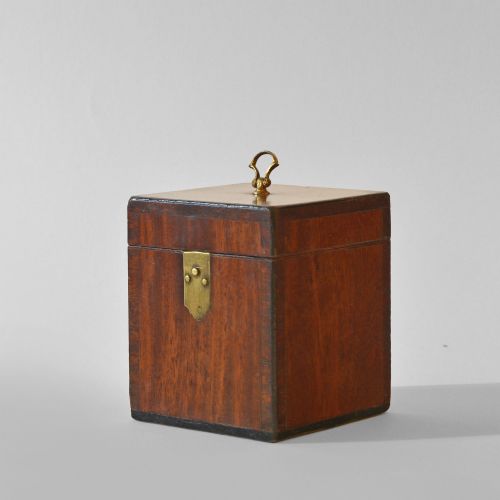
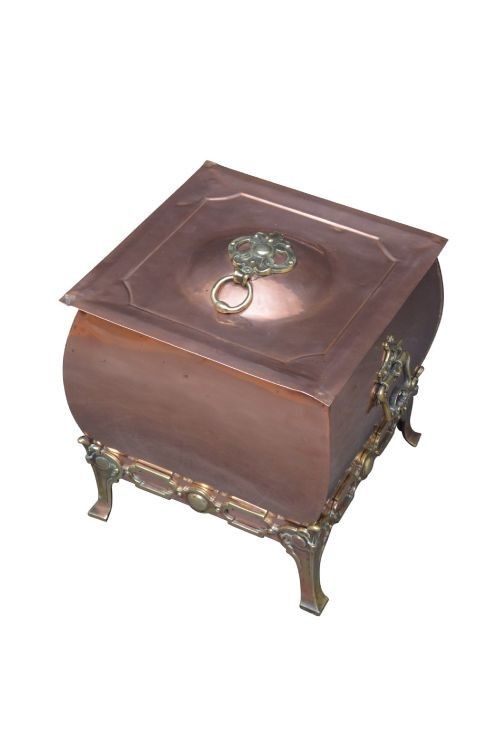
These brass mounted container items are utilitarian and decorative vessels fashioned from timber and metal for domestic containment.
Brass Mounted Container
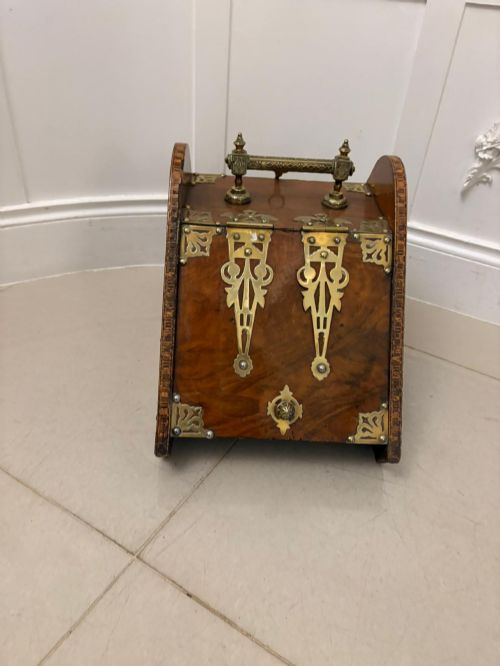
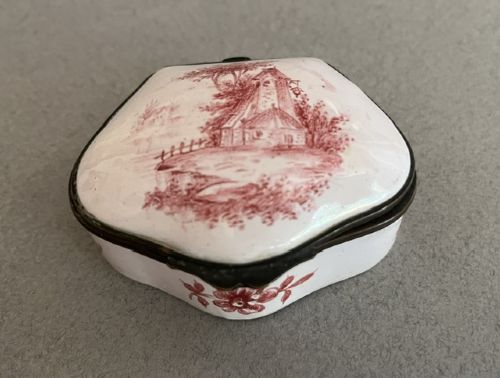
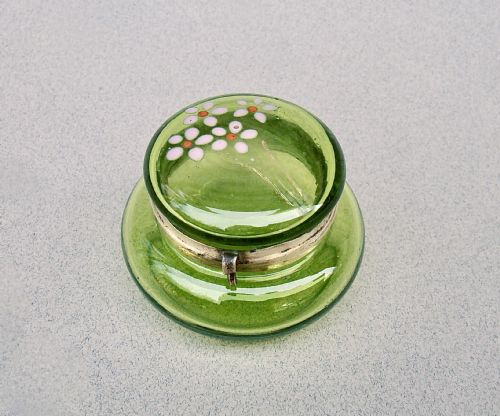
A brass mounted container serves multiple household functions across various periods, ranging from fireside fuel storage to small tabletop caddies. When searching this phrase, buyers encounter items intended for coal, logs, trinkets, games, and daily provisions.
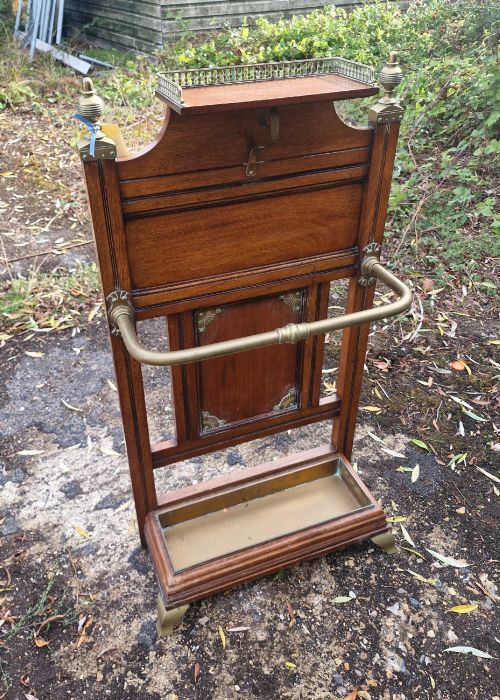
Domestic timber vessels dominate the selection, frequently enhanced with metal mounts for structural reinforcement or decorative contrast. Buyers are most likely to meet utilitarian hearth accessories alongside smaller tabletop boxes within these listings.
How they were made
Construction relies upon traditional joinery and metalworking techniques appropriate to each specific form, utilising timbers such as oak, walnut, and burr walnut alongside sheet copper and cast brass. Carpenters shaped wooden bodies using stave construction for barrels or box joints for caskets, while metalworkers formed mounts, handles, and liners.
Surface treatment involves hand-finished polishing of metals and timber finishes that highlight the natural grain of the wood. Brass mounts are typically secured with matching screws or pins, accentuating corners, lids, and handles.
Brass Mounted Container Retail Price Guide 2026
Typical asking prices for brass mounted container among the pieces listed under this phrase on Sellingantiques today, from the lower quarter to the upper quarter. They describe what is for sale here now, not the wider market.
A secret book safe hides its contents behind a facade of dummy pages.
What varies in quality
Quality separates through the integrity of the timber selection and the precision of the metal mounting work. Superior examples display carefully chosen wood veneers, such as burr walnut, and robust brass fittings that remain firmly integrated into the structure.
The presence of original components, including metal liners in coal scuttles or fitted interiors in games boxes, distinguishes finer pieces from those with later replacements. Artisanal execution in decorative mounts and hand-carved details indicates higher workshop standards.
The Brass Mounted Container Glossary
- Coal Scuttle
- A domestic container designed for holding and transporting coal to a fireplace. These vessels often incorporate brass handles and hinged lids.
- Trinket Box
- A small decorative receptacle used for storing jewellery or small personal items. They appear in materials like glass and wood.
- Casket
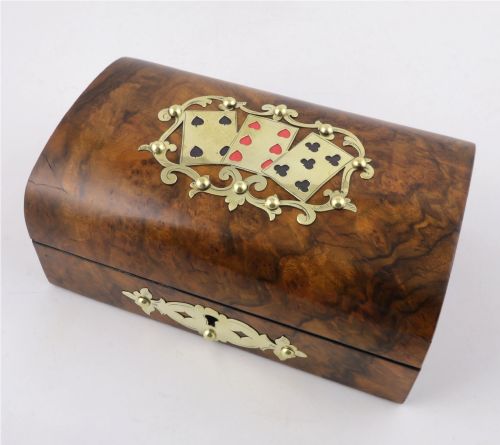
- A box or chest intended for keeping valuables, cards, or games pieces. They frequently feature secure brass lockplates and hinges.
- Biscuit Barrel
- A lidded ceramic or wooden container designed for storing dry biscuits at the table. Examples often include ceramic bodies paired with metal mounts.
- Stave Construction
- A method of building cylindrical vessels using narrow strips of wood joined edge to edge. This technique underpins barrels and buckets.
Brass Mounted Container: Frequently Asked Questions
What were brass mounted containers used for?
These vessels served diverse domestic functions, ranging from storing coal and firewood by the hearth to holding tea, trinkets, or playing cards. Their applications depended entirely on the scale and internal configuration of each individual piece.
Utilitarian items managed fuel and liquids, while smaller caddies and boxes protected personal possessions and dry provisions within the household.
How do I date a brass mounted container?
Dating relies upon identifying the prevailing stylistic traits, timber choices, and construction methods characteristic of periods like the Georgian, Victorian, or Edwardian eras. Certain hardware types and secondary woods also provide chronological indicators.
Changes in metalworking techniques and decorative motifs help narrow the period of manufacture when combined with overall form.
How do I care for wooden containers?
Wooden containers require stable indoor humidity levels to prevent timber from drying out or splitting over time. Regular dusting with a soft, dry cloth preserves the finish without harming the wood surface.
Applying a suitable wax polish occasionally helps nourish older timber surfaces, while brass mounts can be cleaned gently with a non-abrasive cloth.
Where were these containers placed?
Larger items such as coal scuttles and buckets stood near the hearth or in hallways for immediate functional access. Tabletop boxes and tea caddies sat in reception rooms, on side tables, or within private bedchambers.
Their dual role as practical utilities and decorative objects meant they were displayed openly in living spaces.