


Brass Metal Coffee Table
A brass metal coffee table brings instant warmth and reflected light to a room, grounding a seating area with polished or patinated weight.
Brass Metal Coffee Table
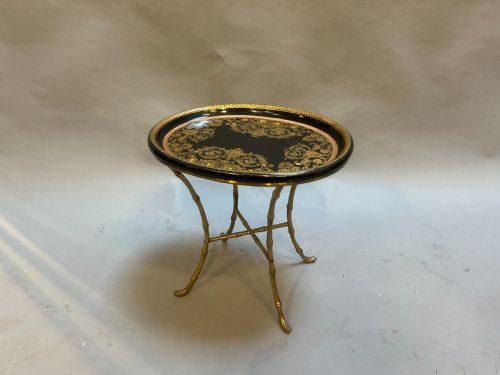
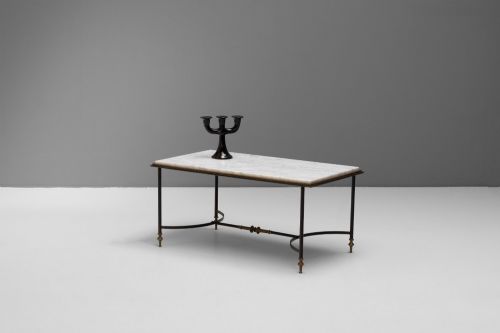
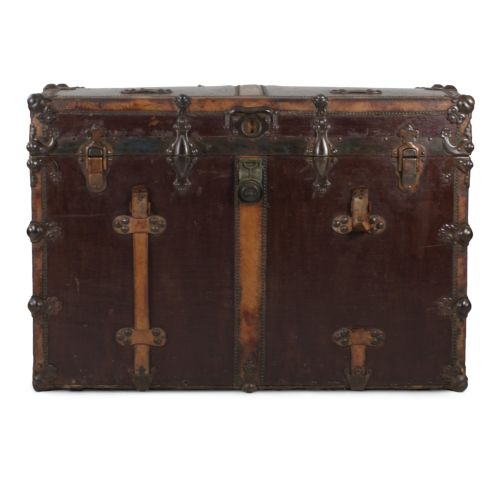
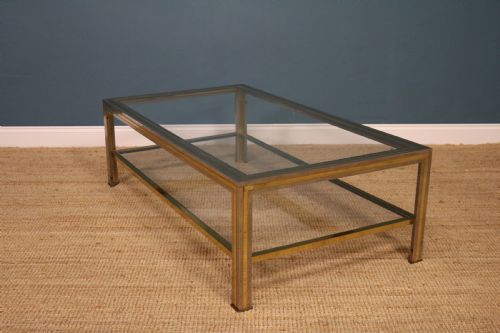
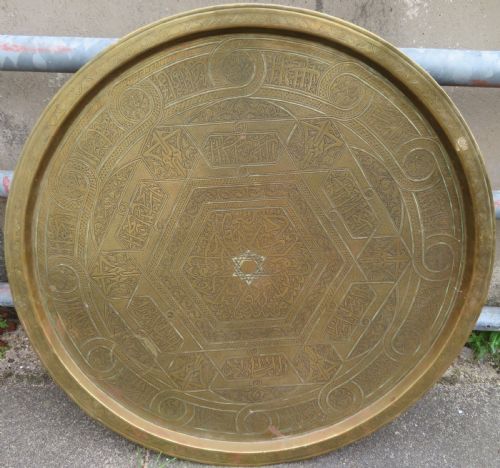
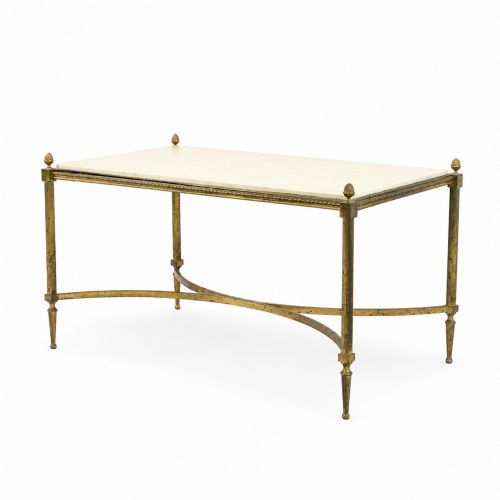
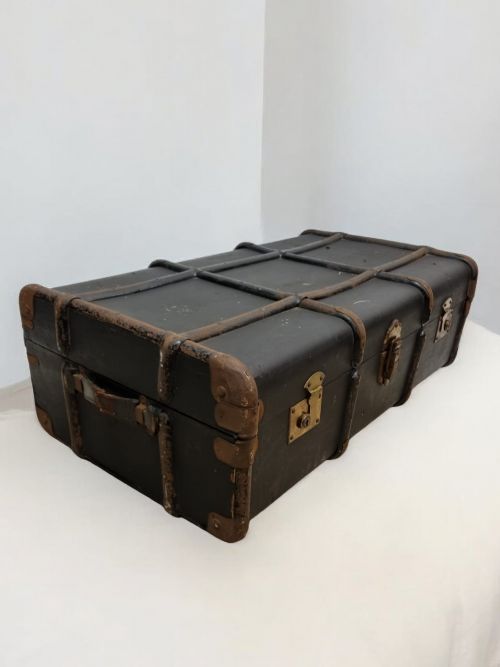
When searching for a brass metal coffee table, you encounter low occasional furniture drawn from periods spanning the nineteenth century through the mid-twentieth century. The selection ranges from repurposed leather-bound trunks and engraved trays to dedicated cocktail tables built with marble, glass, and iron.
You are most likely to meet French and continental designs that incorporate brass frames alongside inset marble or glass tops. Styles vary from the geometric lines of Art Deco and the restrained elegance of the Edwardian era to revivalist pieces channeling Hollywood Regency or Mamluk aesthetics.
Alongside conventional low tables, listings include nesting sets, lamp stands, and occasional tables adapted for modern living. These diverse forms share a primary reliance on brass components, whether as structural frames, decorative mounts, or engraved table tops.
Materials and construction methods
Makers utilised brass alongside supportive structural materials such as iron, wrought iron, chrome, and wood to build sturdy table frames. Inset surfaces commonly feature heavy slabs of white or veined marble, polished glass plates, or richly patinated leather.
Construction techniques combine cast and tubular brass elements with traditional metalworking methods like engraving and riveting. Trunks and chests adapted into tables rely on original hardware, brass bands, and bound corners to secure their timber frames.
Several tables started life as travel trunks or serving trays before finding a second career holding cups of coffee.
Distinguishing quality in period tables
Quality rests in the weight and thickness of the brass components, the precision of cast or engraved details, and the integrity of the joints. Superior examples display crisp chasing on metal mounts and heavy gauge tubing rather than thin, pressed plating.
The choice of secondary materials dictates overall caliber, with solid marble tops, thick bevelled glass, and substantial wrought iron frames separating finer atelier pieces from standard commercial production.
Peter Ghyczy·Romeo Rega
The Brass Metal Coffee Table Glossary
- Art Deco
- A design style characterised by streamlined geometric forms, sleek materials, and sophisticated ornamentation popular during the early decades of the twentieth century.
- Hollywood Regency
- An opulent interior style combining classical motifs with modernist glamour, frequently featuring polished brass, glass, and gleaming reflective surfaces.
- Mamluk Revival
- A nineteenth-century decorative movement inspired by Islamic metalwork from the Mamluk Sultanate, often featuring intricate hand-engraved brass surfaces.
- Nesting Tables
- A set of graduated tables designed to slide neatly beneath one another when not in use, offering flexible surface space in compact rooms.
- Regency
- An English architectural and decorative period known for classical restraint, inspired by Greco-Roman antiquities and characterised by elegant proportions.
Brass Metal Coffee Table: Frequently Asked Questions
How do I clean a vintage brass table?
Dust the surface regularly with a soft, dry cloth to prevent grime accumulation on the metal and glass.
Avoid abrasive polishes that strip away historical patina, opting instead for mild soapy water on a damp cloth if deep cleaning is necessary.
Are marble tops on these tables heavy?
Yes, inset marble slabs add substantial weight to the overall furniture piece and provide a sturdy, durable surface.
Exercise caution when moving the table by lifting from the frame rather than pulling on the removable stone insert.
Can I use an antique trunk as a coffee table?
Trunks and chests with flat tops make excellent low tables while offering practical hidden storage inside the compartment.
Ensure the lid and original brass hardware remain structurally sound enough to support everyday items placed on top.
How do I date a brass coffee table?
Examine the construction methods, screw types, and stylistic cues such as Art Deco geometry or Edwardian proportions.
Maker signatures or stamps found on the underside of the frame or metal trim often provide precise chronological clues.